How to Propagate Seaside goldenrod?
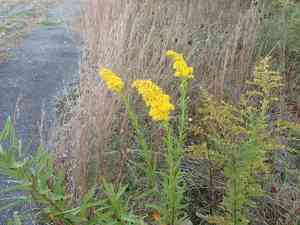
Coastal goldenrod, a perennial indigenous to shoreline regions, flourishes in adequately drained substrates and abundant sunlight. For propagation, clump division proves to be an efficient technique, fostering the multiplication of vigorous, sturdy offspring. Cultivators ought to concentrate on separating mature groupings, making certain that every portion possesses sufficient root systems and nascent stems for prosperous autonomous development. Meticulously detached segments can be promptly transplanted into appropriate sites, thereby enriching the garden's organic appeal and guaranteeing the species' durability.
Optimal Period for Propagating Seaside Goldenrod
Propagation Method
Cutting
Propagation Period
Spring,Summer
Tools for Seaside Goldenrod Propagation
Sharp pruning shears
These are crucial for making clean, precise cuts on seaside goldenrod. Clean cuts help prevent harm to the parent plant and lower the chance of infection in both the cutting and the original plant. Proper shears ensure cuttings have a smooth surface for better rooting.
Rooting hormone powder or gel
This aids in stimulating quicker and more effective root growth in seaside goldenrod's cuttings. By dipping the cut stem end into the rooting hormone, the cutting is more likely to develop strong, healthy roots, vital for new plants to establish successfully.
Sterile potting mix
Utilizing a sterile potting mix formulated for seed starting or cuttings decreases the risk of soil-borne diseases affecting seaside goldenrod during its vulnerable early root development stages. This medium also offers an ideal balance of drainage and moisture retention to support root growth.
Small pots or propagation trays
Perfect for individual seaside goldenrod cuttings, these containers help manage the growing environment. Each cutting can be monitored and cared for separately, ensuring any issues like overwatering or disease are addressed promptly without impacting other cuttings.
Plastic covers or humidity domes
These tools are used to maintain a moist environment around seaside goldenrod's cuttings, which helps prevent moisture loss through leaves. Keeping high humidity around cuttings is important until they develop their own root systems capable of absorbing water.
Heating mats
Optional but beneficial for providing consistent warmth from below, which can significantly boost root development in seaside goldenrod cuttings. This is especially useful in cooler climates or during colder months when ambient temperatures might slow down the rooting process.
How to Propagate Seaside Goldenrod?
Propagation Type
Easy
Caring for Your Newly Propagated Seaside Goldenrod
Caring for Your Newly Propagated Seaside Goldenrod?
Once seaside goldenrod establishes roots, typically within 4-6 weeks, carefully transplant them to their permanent growing spot. Seaside goldenrod thrives in full sun and well-drained soil, tolerating sandy and salty conditions common in coastal areas. Regular watering helps young plants establish, but mature plants are drought tolerant. Minimal fertilization is advised as seaside goldenrod naturally grows in low-nutrient environments.
Common Mistakes to Avoid When Propagating Seaside Goldenrod
Overwatering
Excessive moisture can cause root rot in seaside goldenrod, a condition where roots begin to decay. This is particularly problematic because seaside goldenrod typically thrives in well-drained soils and can suffer from too much water, hindering its growth and overall health.
Using dense soil
Propagating seaside goldenrod in heavy or clay-rich soil can impede root penetration and water drainage, leading to poor root development and increased susceptibility to diseases.
Planting cuttings too deep
Inserting seaside goldenrod cuttings too deeply into the soil can cause them to rot before they can establish. This error deprives the cutting of necessary air and light, essential for successful new root generation.
Tips For Propagating Seaside Goldenrod
Use well-draining soil
Ensure the soil used for propagating seaside goldenrod is loose and drains well. This prevents waterlogging and supports healthier root development, leading to more successful propagation.
Provide sufficient light
While seaside goldenrod can endure partial shade, providing ample sunlight promotes vigorous growth and healthier plants. Ensure the propagation site receives adequate light to stimulate effective rooting and growth.
Correct cutting depth
When propagating seaside goldenrod from cuttings, insert them so only the bottom third is submerged in soil. This depth helps support the cutting while allowing the top two-thirds access to air and light, crucial for root initiation and development.



