How to Propagate Gray Goldenrod?
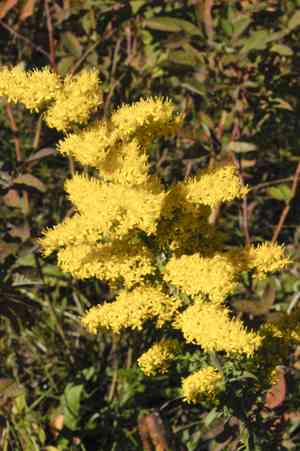
Gray Goldenrod is efficiently reproduced by seeding. Cultivators ought to acquire premium seeds and prepare a soil blend that drains well to guarantee successful sprouting. Spreading seeds on the surface is advised, as light assists germination, either with a light layer of soil or merely pressed into the earth. A growing environment with steady dampness and no excessive wetness fosters strong development. When the young plants are sufficiently sturdy, they can be moved to their permanent cultivation site, providing ample room for full development.
Optimal Period for Gray Goldenrod Propagation
Propagation Method
Seeding
Propagation Period
Spring
Tools Utilized in Gray Goldenrod Propagation
Seed trays
Seed trays are essential for planting Gray Goldenrod seeds in a controlled setting. These trays facilitate uniform spacing and depth, ensuring optimal seed-to-soil contact which boosts germination rates. The confined space of each cell aids in managing individual seedlings, simplifying growth and health monitoring.
Potting mix
A well-draining and nutrient-rich potting medium is vital for the successful sprouting and development of Gray Goldenrod. Such a mix guarantees sufficient moisture retention while preventing waterlogging, which could cause seed decay. The potting mix supplies crucial nutrients and support for the developing roots of Gray Goldenrod, fostering a stronger plant foundation.
Misting bottle
A misting bottle is indispensable for gently hydrating newly sown Gray Goldenrod seeds without disturbing them. The fine spray ensures seeds receive moisture in a manner that promotes germination without causing erosion or displacement of the soil surface, maintaining necessary seed-to-soil contact.
Heat mat
For Gray Goldenrod, maintaining a steady soil temperature is beneficial for stimulating germination. A heat mat provides consistent warmth, often necessary in cooler climates or during colder months, improving the germination rate and overall growth speed of seedlings.
Grow lights
When natural light is insufficient, particularly during the initial growth phases of Gray Goldenrod, grow lights can supply the required light spectrum. These lights support photosynthesis and healthy development in seedlings, ensuring robust growth even in suboptimal lighting conditions.
How to Propagate Gray Goldenrod?
Propagation Type
Simple
Post-Propagation Care for Gray Goldenrod
Post-Propagation Care for Gray Goldenrod
Following propagation, Gray Goldenrod demands minimal attention. It thrives in full sun to partial shade and adapts to various soil types, though well-drained soils are preferred. Water young plants regularly until established, then only during extended dry spells. Gray Goldenrod is generally resistant to pests and diseases. Removing spent flowers can encourage more blooms and prevent excessive self-seeding.
Common Errors to Avoid When Propagating Gray Goldenrod
Overwatering
Excessive watering can lead to saturated soil, promoting root rot in Gray Goldenrod. This condition hinders the plant's ability to absorb nutrients and water, significantly reducing propagation success.
Deep Planting
Planting Gray Goldenrod seeds too deeply impedes their germination as they require some light for proper development. Deep planting can result in failed germination or weak seedlings.
Ignoring Light Requirements
Neglecting Gray Goldenrod's light needs during propagation can prevent seeds from germinating and diminish the vigor of new plants. Gray Goldenrod requires ample sunlight for optimal growth.
Tips For Propagating Gray Goldenrod
Moist, Well-Drained Soil
Ensuring the soil is consistently moist yet well-drained is vital for Gray Goldenrod. This helps prevent root diseases while providing an ideal environment for root development.
Surface Sowing
Gray Goldenrod seeds need light for germination, thus they should be sown on the soil surface. This exposure promotes successful germination.
Use Fresh Seeds
Utilizing fresh seeds for propagating Gray Goldenrod boosts germination rates. Old or improperly stored seeds may have reduced viability, leading to lower propagation success.



