How to Propagate Early goldenrod?
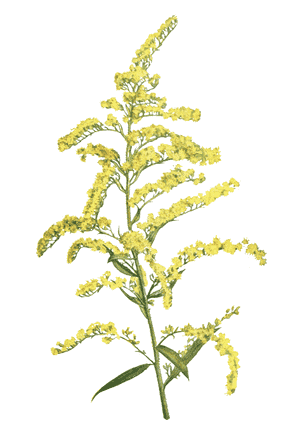
For Solidago juncea, the best time for propagation is in the spring, primarily by planting seeds. The process presents a moderate level of challenge. Successful growth is indicated by the emergence of new, vibrant green shoots. To achieve the best outcomes, provide soil that drains effectively and maintain steady hydration.
What Is the Best Time To Propagate Early Goldenrod?
Propagation Type
Seed dispersal
Propagation Season
Spring
What Tools Are Used in Early Goldenrod Propagation?
Seed tray with clear dome lid
The seed tray provides a contained space for planting early goldenrod seeds, ensuring even distribution and preventing overcrowding. The transparent dome lid maintains humidity, which is vital for seed germination.
Perlite or vermiculite
Early goldenrod seeds benefit from these soil amendments by improving drainage and aeration in the growing medium, which prevents root rot and encourages a robust root system.
Watering can with a fine rose
For early goldenrod seed propagation, gentle watering is crucial to avoid disturbing the seeds. A watering can with a fine rose delivers a soft spray, promoting uniform moisture levels without causing soil erosion.
Plant labels and marker
Labels and markers are essential for recording the sowing date and early goldenrod identification. This practice helps in tracking progress and maintaining organization when managing multiple specimens.
Heating mat (optional)
While not always required, a heating mat can provide consistent soil warmth that encourages faster germination of early goldenrod seeds, especially in cooler growing environments.
How to Propagate Early Goldenrod?
Propagation Type
Sowing
Difficulty Level
Easy
How to Care for Your Newly Propagated Early Goldenrod?
How to Care for Your Newly Propagated Early Goldenrod?
After propagation, early goldenrod needs minimal upkeep. To ensure healthy development, keep the soil moist, but avoid waterlogged conditions. Early goldenrod plants are drought-tolerant once established. Fertilization is typically unnecessary, as early goldenrod is adapted to low-nutrient soils. Remove spent flowers to encourage more blooms and prevent excessive self-seeding, if desired. Monitor for pests and diseases, although early goldenrod is generally resistant to common threats. As a perennial, early goldenrod will die back in winter and can be cut back at this time to tidy the garden and promote vigorous growth in the spring.
Common Mistakes to Avoid When Propagating Early Goldenrod
Ignoring soil quality
Soil lacking proper drainage or the correct nutrient balance can lead to root rot or poor growth in early goldenrod. This could significantly reduce the chances of successful propagation as early goldenrod requires well-draining soil rich in organic matter.
Planting depth errors
Planting early goldenrod too deeply or too shallow can hinder root establishment and growth. Deep planting may cause the roots to suffocate, while shallow planting might expose the roots, drying them out and leading to plant stress or death.
Overcrowding
Planting early goldenrod cuttings or seedlings too close together can result in competition for resources, such as nutrients, water, and light. This could lead to weaker plants that are more susceptible to disease and pests.
Excessive watering
Although early goldenrod needs adequate moisture to establish, overwatering can create conditions that favor fungal infections and root rot. This mistake can ultimately destroy young plants before they have a chance to thrive.
Neglecting to harden off
Failing to acclimate early goldenrod to outdoor conditions can lead to shock when moved outside. This mistake could weaken or kill the plant if it's not gradually introduced to temperature, sunlight, and wind variations.
Tips For Propagating Early Goldenrod
Choosing healthy parent plants
Selecting vigorous, disease-free plants to collect seeds or cuttings from will increase the likelihood of successful propagation of early goldenrod as it ensures a good genetic start and reduces the potential for disease transmission.
Soil preparation
Creating an ideal planting mix with proper drainage and nutrients supports healthy root development in early goldenrod. A soil rich in organic matter that mimics early goldenrod's natural growing conditions is beneficial.
Appropriate spacing
Giving early goldenrod sufficient space to grow ensures that each plant has access to adequate resources and air circulation, reducing the risk of disease and stress.
Monitoring water levels
Providing consistent moisture without overwatering helps early goldenrod cuttings or seedlings establish without the risk of fungal diseases. Checking the soil moisture before watering can prevent overwatering.
Gradual acclimation
Slowly introducing early goldenrod to outdoor conditions over a week or more helps the plant adjust and reduces transplant shock, leading to better growth once fully planted outside.



