How to Propagate Potato?
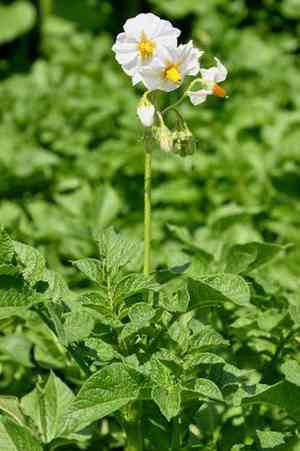
Potatoes are primarily reproduced by utilizing their tubers in the springtime. This method is quite straightforward, and the emergence of new shoots indicates successful propagation. Sufficient soil hydration and warmth are vital elements for effective propagation.
Optimal Period for Potato Propagation
Propagation Method
Utilize The Tubers
Propagation Season
Spring
Tools Required for Potato Propagation
Sharp Knife or Tubing Cutter
A sterilized, keen blade or tubing cutter is crucial for dividing potato tubers into segments, ensuring each piece possesses at least one or two eyes (buds) for sprouting. Its sharpness and sterility minimize tissue damage and reduce the risk of disease introduction during the cutting process.
Gardening Gloves
Sturdy gardening gloves safeguard the propagator's hands from soil-borne pathogens while handling potato tubers, particularly when cutting or planting. They also offer improved grip on the tubers, lessening the chance of accidental slips with the cutting implement.
Seed Trays or Planting Containers
Seed trays or small planting vessels with adequate drainage are employed to initiate the chitting process (pre-sprouting) of potato tubers under regulated conditions, which aids in stimulating growth prior to outdoor planting.
Planting Trowel
A planting trowel is used to create appropriately sized holes or trenches in the soil where the prepared tuber sections can be planted at the recommended depth for potato, promoting uniform growth and development.
Watering Can with Fine Rose
A watering can equipped with a fine rose attachment is perfect for gently irrigating the tuber sections or sprouts of potato without causing soil erosion or displacement, ensuring optimal moisture levels around the tubers for growth.
Fertilizer or Compost
The correct type of fertilizer or compost supplies essential nutrients for the healthy development of potato. An even application of a balanced fertilizer or well-rotted compost around the planting area supports robust root growth and increases tuber yield.
Row Covers Or Frost Protection
Row covers or frost protection materials are necessary when early potato growth is exposed to potential frost hazards. They establish a microclimate that shields young plants from cold snaps, ensuring their survival and continued development.
Pest Control Measures
Specific pest management strategies, such as insecticides or natural deterrents, may be needed to safeguard the sprouting and growing potato tubers from common pests like the Colorado potato beetle, protecting the plants until a successful harvest.
How to Propagate Potato?
Propagation Type
Utilize The Tubers
Difficulty Level
Easy
Caring for Your Newly Propagated Potato
Caring for Your Newly Propagated Potato
Maintain consistent moisture, especially during tuber formation. Mound soil around the plant as it grows to shield tubers from sunlight, which can cause greening and toxicity. Provide a balanced fertilizer rich in potassium and phosphorus, and low in nitrogen. Monitor for pests like potato beetles and address them promptly. As potato foliage dies back, cease watering to allow tubers to mature. Harvest when leaves have yellowed and withered, taking care not to bruise the potatoes. Cure harvested tubers in a dark, dry place before storage to extend shelf life.
Common Errors to Avoid When Propagating Potato
Using diseased or low-quality tubers
Attempting to propagate potato from diseased or inferior tubers is a frequent error that results in a poor crop. Diseased tubers can transmit pathogens to the soil and new plants, leading to stunted growth and reduced yields.
Planting whole tubers
Gardeners might plant entire tubers instead of cutting them into sections containing eyes. This is not economical and can lead to wasted planting material without any added benefit to the crop's yield or health.
Not curing cut tubers
When propagating potato by cutting tubers into pieces with eyes, failing to cure the cut pieces before planting can invite rot and fungal infections. This jeopardizes the establishment and health of the plants.
Improper spacing
Incorrectly spacing the planted tubers can lead to overcrowding, which limits available nutrients and space for each plant, resulting in smaller tubers and a lower harvest.
Shallow planting
Shallow planting can expose tubers to sunlight, causing them to turn green and produce solanine, a toxic compound. This not only affects edibility but also hinders proper tuber development.
Tips For Propagating Potato
Select high-quality seed tubers
Choosing certified disease-free seed tubers of potato ensures a healthy crop. High-quality starting material is less prone to disease and more likely to produce robust plants with better yields.
Cutting tubers properly
Cutting tubers into chunks with at least one 'eye' on each and ensuring that each piece weighs around 1.5-2 ounces allows for efficient propagation of potato. Each eye will sprout into a new plant, maximizing the potential yield from each tuber.
Cure cut tubers
Allowing the cut pieces to cure for a couple of days before planting helps in forming a protective skin over the cuts. This helps prevent rot and disease as the pieces take root and grow.
Ensuring appropriate depth and spacing
Planting potato's tubers at an appropriate depth (about 2-4 inches) and spacing (10-12 inches apart) will encourage healthy growth and optimize the size and quantity of the tubers produced.
Hilling soil around plants
As potato grows, periodically drawing soil up around the base of the stems â a procedure known as 'hilling' â can prevent the development of green tubers and promote the growth of more tubers.



