How to Propagate Currant tomato?
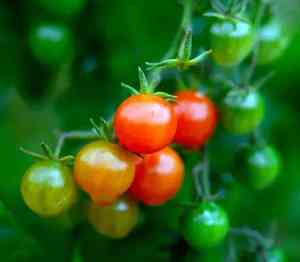
Currant tomato flourishes when reproduced by seeding. To improve the likelihood of germination, sustain a warm setting and verify that the planting substrate is damp yet adequately drained. At first, position the young plants in subdued illumination until they are rooted, then progressively introduce them to brighter sunlight. Relocate them to bigger pots or into the garden once they are sufficiently strong to endure the change.
Optimal Time for Currant Tomato Propagation
Propagation Method
Sowing
Propagation Period
Spring
Tools for Currant Tomato Propagation
Seed Trays
Seed trays are vital for sowing currant tomato seeds. They enable organized planting in compartments, maximizing space and simplifying management during early growth. This design prevents root tangling, crucial for transplanting young seedlings.
Potting Soil
Potting soil is essential for currant tomato seed sowing, offering a sterile, nutrient-rich environment for optimal germination. It's formulated to retain moisture and provide good drainage, both critical for the delicate roots of currant tomato.
Watering Can with a Fine Rose
This tool is used for gently irrigating currant tomato seeds and young plants. The fine rose attachment distributes water evenly and softly, preventing soil disruption and minimizing damage to fragile new roots and shoots.
Grow Lights (if indoor propagation)
Grow lights are beneficial for indoor currant tomato propagation. They supply the necessary light spectrum for photosynthesis, fostering robust, healthy growth when natural sunlight is unavailable.
Heating Mats
For currant tomato, maintaining a consistent warm soil temperature is key during germination. Heating mats gently warm the soil, improving germination rates and ensuring a healthy start for seedlings. This is especially important in cooler climates or for off-season propagation.
Propagation Dome
A propagation dome fits over the seed tray, helping to maintain high humidity and stable temperatures, both crucial for enhancing currant tomato germination success. The controlled environment also aids in preventing pathogen growth.
How to Propagate Currant Tomato?
Propagation Type
Easy
Caring for Newly Propagated Currant Tomato
Caring for Newly Propagated Currant Tomato
Post-propagation care for currant tomato involves consistent watering, ensuring at least six hours of direct sunlight daily, and regular feeding with a balanced fertilizer. Maintain proper spacing for airflow to prevent fungal diseases. Stake plants as they grow to support their sprawling habit and prune regularly for healthy growth and fruit production.
Common Mistakes to Avoid When Propagating Currant Tomato
Overwatering
Excessive watering of currant tomato can lead to root rot and fungal infections, hindering root development and potentially killing young plants.
Insufficient light
Not providing currant tomato with enough sunlight during early growth stages can result in weak, elongated seedlings, as currant tomato require ample light for robust development.
Using unsterilized soil
Using unsterilized soil for propagating currant tomato can introduce pathogens and pests, undermining seedling health and growth.
Planting seeds too deep
Burying currant tomato seeds too deeply can prevent germination due to insufficient oxygen and light access.
Tips For Propagating Currant Tomato
Use well-draining soil
Select a well-draining soil mix for currant tomato to ensure excess water can escape, preventing root diseases and providing an optimal growing medium.
Monitor watering
Water currant tomato adequately but not excessively, keeping the soil moist but not saturated to support healthy growth without the risks of waterlogging.
Provide sufficient light
Ensure currant tomato receive at least 6-8 hours of direct sunlight daily. If growing indoors, use grow lights to supplement natural light.
Plant at appropriate depth
Sow currant tomato's seeds lightly on the soil surface and cover with just a thin layer of soil, approximately 1/4 inch deep, to ensure proper seed germination and strong early growth.



