How to Propagate Twoleaf nightshade?
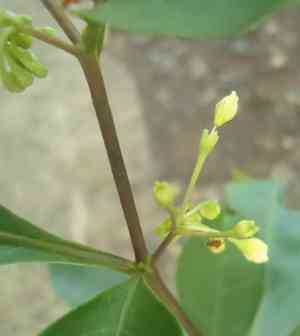
A robust member of the Solanaceae family, twoleaf nightshade thrives when propagated via cuttings. To ensure successful development, choose stem sections from strong, thriving parent specimens. Make cuts on the stems at a 45-degree incline to enlarge the rooting surface and immerse the severed end in a rooting compound prior to embedding it in a well-draining substrate. It is crucial to sustain uniform dampness without oversaturation and supply sufficient warmth and diffused illumination to stimulate root formation.
When Is the Optimal Time to Propagate Twoleaf Nightshade?
Propagation Method
Cutting
Propagation Period
Autumn,Winter
What Equipment Is Used for Twoleaf Nightshade Propagation?
Sharp Pruning Shears
Crucial for obtaining healthy, precise cuttings of twoleaf nightshade, sharp pruning shears minimize harm to the parent plant and ensure a clean cut, essential for the successful rooting of the cutting. Selecting shears with high-quality, rust-resistant blades is vital for making smooth cuts without crushing plant tissues, thereby improving the chances of successful propagation.
Rooting Hormone Powder or Gel
This substance is utilized to encourage root formation in twoleaf nightshade cuttings. By dipping the freshly severed end of the cutting into the rooting hormone, the likelihood of successful root growth significantly increases. The hormone stimulates root cell development at the cut site, a critical factor for twoleaf nightshade to establish itself successfully after transplant.
Sterilizing Agent (e.g., Isopropyl Alcohol or Bleach Solution)
Used for sanitizing pruning shears and any other implements that come into contact with twoleaf nightshade. Sterilization prevents the transmission of diseases between plants, which is particularly important during the propagation phase to ensure the health and viability of new twoleaf nightshade plants. This practice supports robust growth and reduces infection risk.
Propagation Tray with Dome
The tray offers a controlled environment for twoleaf nightshade cuttings. The dome helps maintain high humidity around the cuttings, which is vital for encouraging root growth before the plant can sustain itself. The clear dome also allows light to reach the cuttings while retaining moisture, creating an ideal microclimate for root development.
Perlite or Vermiculite
These are employed as components of the propagation medium. Mixing perlite or vermiculite with potting soil creates a well-draining, aerated substrate that is optimal for the rooting of twoleaf nightshade's cuttings. These materials assist in maintaining moisture balance and facilitate better root growth by preventing soil compaction.
How to Propagate Twoleaf Nightshade?
Propagation Difficulty
Moderately Difficult
How to Care for Your Newly Propagated Twoleaf Nightshade?
How to Care for Your Newly Propagated Twoleaf Nightshade?
Once roots have formed, gradually introduce the twoleaf nightshade to less humid conditions before relocating them to their permanent spot. Ensure they are planted in an area with partial to full sun and well-drained soil. Consistent watering should be maintained, but be careful not to overwater. Frequently monitor for pests and diseases, providing treatment as needed to ensure healthy growth.
Common Errors to Avoid When Propagating Twoleaf Nightshade
Overwatering
Excessive watering can lead to root rot, which compromises the health of twoleaf nightshade and diminishes its chances of successful propagation.
Using diseased cuttings
Employing cuttings that exhibit signs of illness may result in spreading the infection, thereby hindering proper growth and development.
Neglecting light requirements
Insufficient light exposure can weaken twoleaf nightshade, as it may not photosynthesize efficiently, which is crucial for growth and propagation.
Overcrowding
Planting cuttings too closely together can restrict airflow and light penetration, increasing the risk of fungal diseases and limiting growth.
Tips For Propagating Twoleaf Nightshade
Sterile tools
Utilizing sterile tools for taking cuttings helps prevent the introduction of pathogens that could harm twoleaf nightshade.
Rooting hormone
Applying a rooting hormone to the cut end of cuttings can enhance root development and improve the chances of successful propagation.
Well-draining soil
Twoleaf nightshade requires well-draining soil to prevent waterlogging, which is crucial for healthy root development.
Adequate humidity
Maintaining adequate humidity around twoleaf nightshade cuttings can help prevent them from drying out, which is essential for root formation.



