How to Propagate Roundleaf greenbrier?
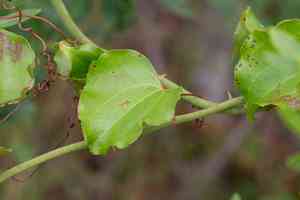
Smilax rotundifolia is generally multiplied using softwood cuttings during spring or summer, or via compound/serpentine layering techniques. The propagation challenge is moderate, yet indicators of successful propagation involve fresh growth on the cutting or new root development on the layered branch. For optimal results, ensure the cuttings or layered stems remain hydrated and are situated in a warm, well-lit environment.
Optimal Time for Roundleaf Greenbrier Propagation
Propagation Method
Cutting
Propagation Period
Spring,Summer
Tools Required for Roundleaf Greenbrier Propagation
Sharp Pruning Shears
Crucial for making clean, precise cuts on roundleaf greenbrier stems during propagation. Sharp blades minimize plant tissue damage, encouraging quicker healing and lowering infection risk. This is especially useful for roundleaf greenbrier's tough, woody vines.
Rooting Hormone
Used to stimulate root formation after cutting. Applying rooting hormone to the cut ends of roundleaf greenbrier can significantly boost the likelihood of successful root development by accelerating root production.
Sterilizing Solution
Essential for sanitizing pruning shears before and after each cut. This prevents disease transmission between plants. For roundleaf greenbrier, which can be susceptible to infections, a sterilizing solution ensures the propagation process doesn't harm plant health.
Moist Propagation Medium
Typically a blend of peat and perlite, or sand, offering an ideal environment for root growth due to its moisture retention and aeration. The medium supports roundleaf greenbrier's roots by providing a stable, nourishing environment vital for early root development.
Plastic Pots or Trays
Used to hold the propagation medium and roundleaf greenbrier cuttings. It's important to use clean, possibly new, containers to prevent disease. These containers should also have proper drainage to avoid waterlogging, which can hinder root formation.
Clear Plastic Bags or a Propagation Dome
Helps maintain high humidity around roundleaf greenbrier cuttings, which is vital for their survival before roots develop. By creating a mini-greenhouse effect, these tools ensure cuttings don't dry out and provide optimal humidity for root development.
How to Propagate Roundleaf Greenbrier?
Propagation Difficulty
Moderately Difficult
Caring for Your Newly Propagated Roundleaf Greenbrier
Caring for Your Newly Propagated Roundleaf Greenbrier
Once roots are established, gradually introduce roundleaf greenbrier to its usual growing conditions. Keep the soil slightly moist and provide bright, indirect light. Monitor for pests and diseases, treating as needed. As roundleaf greenbrier can become robust and invasive, regular pruning is advised to maintain desired shape and size.
Common Errors to Avoid When Propagating Roundleaf Greenbrier
Neglecting Root System Complexity
Overlooking the robust root system of roundleaf greenbrier can lead to failed propagation attempts. This plant has an intricate underground structure, and any mishandling of these roots can impede root development in propagated plants, reducing their viability.
Excessive Watering of Cuttings
Overwatering roundleaf greenbrier cuttings can cause root rot or fungal infections. This error can lead to the decay of new roots before they fully establish, preventing successful plant growth.
Insufficient Light for Seedlings
Failing to provide adequate light to roundleaf greenbrier seedlings can result in weak, elongated, and fragile plants. Insufficient light compromises the strength and development of young plants, affecting their overall health and survival rate.
Tips For Propagating Roundleaf Greenbrier
Handle Root Systems Carefully
When propagating roundleaf greenbrier, treat the roots with care to prevent damage. Gently separate roots during division to ensure each section has enough healthy roots to support the new plant, increasing propagation success.
Moderate Watering
Maintain balanced watering when propagating roundleaf greenbrier from soil cuttings. Ensure the soil is moist but not waterlogged to encourage healthy root growth without risking rot.
Provide Sufficient Light
Ensure roundleaf greenbrier seedlings receive ample light by placing them in a well-lit area or using artificial grow lights. Adequate lighting will support strong growth and development of the seedlings.



