How to Propagate Sweet william catchfly?
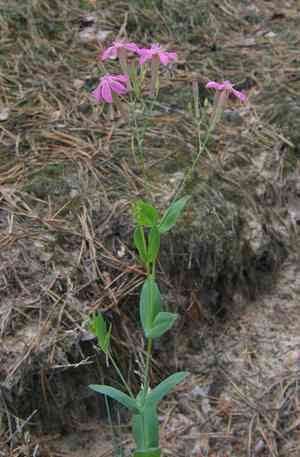
Sweet william catchfly flourishes when its seeds are planted directly into soil that drains effectively, fortified with organic material to guarantee optimal sprouting conditions. To achieve the finest outcome, disperse the seeds uniformly and lightly blanket them with earth, preserving steady dampness without excessive wetness. A spot offering ample air movement will aid in cultivating robust development. Perseverance is key, as sweet william catchfly might not bloom until the subsequent growing period following planting, compensating the grower with vivid flowers.
Optimal Time for Sweet William Catchfly Propagation
Propagation Method
Seeding
Propagation Period
Spring
Essential Tools for Sweet William Catchfly Propagation
Seed trays
Seed trays are vital for initiating sweet william catchfly from seeds. They enable efficient space and resource utilization by allowing multiple seeds to be planted in a controlled setting. Their flat design and small compartments simplify handling and monitoring of soil moisture and growth. This is crucial for sweet william catchfly seedlings, which need consistent conditions for effective germination.
Potting mix
Employing a premium potting mix is crucial for the successful propagation of sweet william catchfly. A light, well-draining blend offers the necessary support and aeration for delicate seedlings. It aids in maintaining proper moisture balance, which is essential for sweet william catchfly germination and fosters robust root development.
Misting bottle
A misting bottle is essential for gently hydrating sweet william catchfly seeds. It produces a fine spray that dampens the soil without dislodging the tiny seeds. This tool ensures adequate hydration for germination, preventing erosion or fungal growth on the surface.
Heat mat
A heat mat is particularly beneficial for boosting sweet william catchfly's germination rate by sustaining a consistent soil temperature, especially in cooler climates. It encourages quicker germination and more uniform seedling growth by providing steady warmth, which is vital for sweet william catchfly seeds that might otherwise struggle with temperature fluctuations.
Grow lights
If propagating sweet william catchfly indoors or in suboptimal light, grow lights can supply the necessary light spectrum to support healthy seedling growth and development. They ensure sweet william catchfly receives sufficient light, crucial for photosynthesis and overall plant health during early stages.
How to Propagate Sweet William Catchfly?
Propagation Type
Simple
Caring for Your Newly Propagated Sweet William Catchfly
Caring for Your Newly Propagated Sweet William Catchfly?
After propagating sweet william catchfly, ensure continued growth in favorable conditions. Maintain moist, well-drained soil and provide full sun to partial shade. Monitor for pests and diseases, treating as needed. Fertilize with a balanced product every 4-6 weeks during the growing season and prune spent flowers to encourage reblooming and vigor. Avoid overwatering, especially in cooler months, to prevent root rot or fungal issues.
Common Mistakes to Avoid When Propagating Sweet William Catchfly
Overwatering
Excessive watering can cause root rot in sweet william catchfly, hindering the plant's ability to absorb nutrients and water, ultimately stunting or killing it.
Deep planting of seeds
Planting sweet william catchfly's seeds too deeply can impede germination as they may not reach the soil surface due to insufficient light penetration and air exchange.
Ignoring pre-sowing preparation
Failing to properly prepare seeds before sowing can lower germination rates. For sweet william catchfly, this typically involves ensuring the seeding medium is suitable and seeds are not sown in clumps.
Neglecting initial planting conditions
Overlooking the importance of soil quality and light exposure during the initial stages of planting sweet william catchfly can negatively impact seed germination and early root development.
Tips For Propagating Sweet William Catchfly
Moderate watering
Ensure sweet william catchfly receives moderate watering to maintain moist, but not waterlogged, soil conditions, supporting healthy root growth without risking water-related diseases.
Shallow seed placement
Sow sweet william catchfly's seeds shallowly, just lightly covered with soil, as they need some light to germinate effectively and ensure even spacing to avoid resource competition.
Soil preparation
Utilize a well-draining, fertile soil enriched with organic matter to promote healthy growth and easy root establishment in sweet william catchfly.
Indirect sunlight exposure
Provide sweet william catchfly with indirect sunlight or partial shade, which is ideal for optimal growth, shielding it from the potentially damaging effects of direct, intense sunlight.



