How to Propagate Silene aprica?
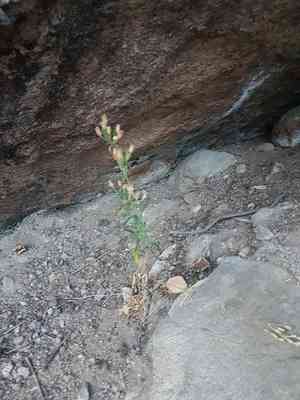
Silene aprica flourishes when reproduced by seeding. For successful development, verify that the growing medium is porous and rich in nutrients. Seeding ought to occur in an area that gets abundant solar exposure but can be shielded from severe atmospheric elements. The seeds of silene aprica need to be planted superficially since they depend on illumination for peak sprouting. Consistent irrigation and vigilance for infestations are vital to guarantee the robust maturation of young plants.
What Is the Best Time To Propagate Silene Aprica?
Propagation Type
Sowing
Propagation Season
Spring
What Tools Are Used in Silene Aprica Propagation?
Seed trays
Seed trays are vital for sowing silene aprica. They offer an organized area for planting multiple seeds, ensuring each has enough space to sprout. Their shallow design helps maintain proper soil moisture and temperature for optimal germination. Trays with drainage holes improve aeration and prevent waterlogging, which is crucial for silene aprica's health.
Sterile potting mix
A sterile potting mix is essential for sowing silene aprica, as it reduces the risk of soil-borne diseases affecting young seedlings. This medium provides a clean, balanced environment, supporting the delicate germination process. Its light texture promotes better root growth and easier water management, vital for silene aprica's successful establishment.
Misting bottle
A misting bottle is used to gently water silene aprica seeds without disturbing their placement or compacting the soil. This tool is crucial for maintaining necessary humidity around the seeds and ensuring optimal, non-excessive moisture levels. The fine spray helps keep the topsoil moist, which is key for seed germination.
Plant labels
Plant labels are a simple yet effective tool for tracking silene aprica during germination and early growth. They help mark sowing dates and differentiate between species or varieties when multiple seeds are sown. This is essential for a systematic propagation process and provides quick reference for care schedules.
Heat mat
A heat mat can significantly improve silene aprica germination, especially in cooler climates. Placing seed trays on a heat mat ensures consistent, appropriate soil temperature, vital for stimulating germination. This tool is particularly beneficial for maintaining optimal warmth without overheating, ensuring seedling health and viability.
How to Propagate Silene Aprica?
Propagation Type
Easy
How to Care for Your Newly Propagated Silene Aprica?
How to Care for Your Newly Propagated Silene Aprica?
After propagation, keep silene aprica's soil moist but avoid overwatering. Provide partial to full sunlight based on your local climate. Fertilize lightly during the growing season. Regularly check for pests like aphids and treat as needed to maintain plant health.
Common Mistakes to Avoid When Propagating Silene Aprica
Overwatering
When propagating silene aprica, a common error is excessive watering, which leads to root rot and fungal infections. Silene aprica's moisture-sensitive nature requires careful water management to prevent delicate roots from drowning, ensuring the plant's health and survival.
Too deep planting
Planting silene aprica seeds too deeply can hinder germination due to insufficient light exposure and limited air circulation. This mistake slows down or completely prevents the growth of new plants.
Neglecting substrate preparation
Silene aprica needs well-draining and well-aerated soil to thrive. Using unsuitable or unprepared substrate can lead to poor root development and water retention issues, negatively impacting plant propagation.
Tips For Propagating Silene Aprica
Proper soil mixture
Use a well-draining soil mixed with sand or perlite to enhance aeration, which is crucial for silene aprica's delicate root system. This setup mimics the natural soil conditions ideal for silene aprica's growth.
Surface sowing
Since silene aprica requires ample light to germinate, sow seeds on the soil surface or cover them very lightly with a fine layer of soil. This aids optimal germination by ensuring seeds receive sufficient sunlight.
Moderate watering
Provide consistent but moderate watering to maintain soil moisture without waterlogging. Balancing the water supply promotes healthy root growth and prevents propagation risks associated with both underwatering and overwatering.



