How to Propagate Palmgrass?
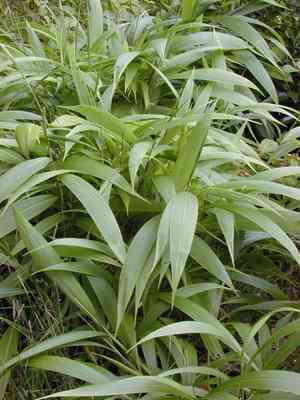
Palmgrass thrives when propagated through the process of division. For optimal development, separate the root mass into segments, each possessing multiple sprouts, and promptly re-establish them. Verify that every separated portion contains sufficient root structure and aerial growth to enhance its ability to take root and endure.
Optimal Time for Palmgrass Propagation
Propagation Method
Division
Propagation Period
Spring,Autumn
Tools Required for Palmgrass Propagation
Sharp Garden Knife or Pruners
A keen garden knife or pruners are vital for making clean cuts through the palmgrass root system. These instruments facilitate precise incisions, minimizing harm to the plant's roots during division. Clean cuts are essential for promoting quicker recovery and reducing the risk of post-propagation infection.
Garden Fork or Spade
A garden fork or spade is necessary for carefully lifting palmgrass from the soil without unduly disturbing nearby plants or damaging the palmgrass's root ball. Using either tool allows for gentle handling and effective separation of the plant from compacted soil, simplifying the division process.
Watering Can with a Fine Rose
After dividing palmgrass, maintaining adequate moisture is crucial for root recovery and growth. A watering can with a fine rose attachment ensures a gentle, evenly distributed water flow, which is critical for newly propagated plants that can be sensitive to forceful watering that might dislodge or harm young roots.
Rooting Hormone (Optional)
Applying a rooting hormone to the freshly cut sections of palmgrass roots can enhance root development and improve the overall success rate of propagation. This is particularly beneficial for ensuring the viability and health of palmgrass as it establishes new root systems.
Plant Pots with Well-Draining Soil
For each palmgrass division, individual pots filled with well-draining soil provide an ideal environment for root establishment. Ensuring good drainage is essential to prevent root rot and other moisture-related diseases, supporting healthy growth during the critical initial weeks post-propagation.
How to Propagate Palmgrass?
Propagation Type
Easy
How to Care for Your Newly Propagated Palmgrass?
How to Care for Your Newly Propagated Palmgrass?
After propagating palmgrass, maintain consistent soil moisture, avoiding waterlogged conditions. Provide a partially shaded area, especially in hot climates, to protect from intense sun exposure. Fertilize lightly with a balanced, slow-release fertilizer to support new growth but avoid overfeeding. Periodically check for pests or diseases, especially during the initial growth stages.
Common Mistakes to Avoid When Propagating Palmgrass
Overwatering
Excessive watering can lead to root rot in palmgrass, which is particularly sensitive to soggy soil conditions. This hinders the plant's ability to absorb nutrients and can eventually result in plant death.
Using inappropriate soil mix
Palmgrass requires a well-draining soil mix to thrive. Using a heavy, clay-rich soil can retain too much moisture and restrict root growth, impeding the plant's overall health and propagation success.
Inadequate light during rooting
Insufficient light can weaken palmgrass during the rooting stage. Weak light leads to poor root development, making the plant less vigorous and potentially stunting its growth.
Tips For Propagating Palmgrass
Use clean, sharp tools
Ensuring that all cutting tools are clean and sharp before use helps prevent disease transmission and promotes cleaner cuts, aiding faster and healthier root development in palmgrass.
Prepare the ideal soil mix
Use a mixture of peat, perlite, and sand for palmgrass to promote excellent drainage and aeration, key factors for their root health and successful propagation.
Maintain ambient humidity
Keeping palmgrass in a moderately humid environment during the initial stages of propagation helps in maintaining moisture levels around the cuttings without overwatering, encouraging better root formation.



