How to Propagate Golden wonder tree?
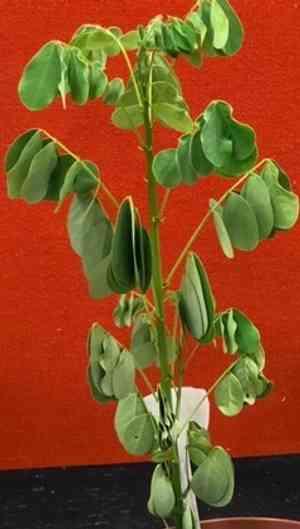
The golden wonder tree flourishes when reproduced through cuttings, an efficient technique for increasing its numbers in horticultural settings. To achieve successful propagation, choose vigorous, unblemished branches. Cuttings ought to possess multiple leaf nodes to guarantee strong root formation. Insert these cuttings into a potting blend that drains effectively, sustaining steady humidity and warmth to encourage root growth. This strategy aids in safeguarding the genetic characteristics of the golden wonder tree, ensuring offspring replicate the parent's advantageous qualities.
What Is the Best Time To Propagate Golden Wonder Tree?
Propagation Type
Cutting
Propagation Season
Autumn,Winter
What Tools Are Used in Golden Wonder Tree Propagation?
Sharp Pruning Shears
Crucial for making clean, precise cuts on golden wonder tree cuttings. Sharp blades ensure smooth cuts that heal quickly, reducing infection risk and promoting faster root initiation.
Rooting Hormone Powder
Increases the success rate of root development from golden wonder tree cuttings. The hormone stimulates root growth at the cut site, vital for establishing a new, healthy plant.
Sterilizing Solution
Used for cleaning pruning shears before and after taking cuttings from golden wonder tree. Sterilization prevents disease spread between plants, ensuring the health and viability of new cuttings.
High-Quality Potting Mix
Provides a supportive, nutrient-rich environment for golden wonder tree cuttings to flourish. A mix designed for seed and cutting propagation aids in moisture retention and aeration, crucial for young root development.
Propagation Tray
Holds soil and golden wonder tree cuttings in an organized manner, facilitating easy monitoring and maintenance. Trays also help maintain consistent moisture levels, which is critical during the root development phase.
How to Propagate Golden Wonder Tree?
Propagation Type
Moderately Difficult
How to Care for Your Newly Propagated Golden Wonder Tree?
How to Care for Your Newly Propagated Golden Wonder Tree?
Once roots are established, gradually acclimate the new golden wonder tree plants to less humid conditions before transplanting them to their permanent spot. Ensure they are in well-draining soil and receive full to partial sunlight. Regular watering is essential, especially during dry spells, but avoid overwatering. Monitor for pests and diseases and treat as needed to ensure healthy growth.
Common Mistakes to Avoid When Propagating Golden Wonder Tree
Overwatering
Excessive watering can be particularly harmful for golden wonder tree, leading to root rot due to its preference for well-drained soil. This surplus moisture can impede root development, making the plant vulnerable to diseases and limiting its growth.
Using old or non-sterile propagation material
This error can introduce pathogens to golden wonder tree, hindering germination or rooting success. Contaminated tools and media can carry fungi, bacteria, or viruses that negatively affect the health of the propagules.
Ignoring plant health before propagation
Propagating golden wonder tree from unhealthy or stressed parent plants can result in weaker offshoots or seedlings. This impacts the vigor and survival chances of new plants, as they inherit the compromised health of the parent.
Tips For Propagating Golden Wonder Tree
Select healthy parent plants
Choosing robust, disease-free parent plants for propagation will ensure optimal genetic quality and health. This gives golden wonder tree the best start, enhancing the likelihood of successful germination and growth.
Use well-draining soil
To avoid the common mistake of overwatering, it's crucial to use a well-draining soil mix. This facilitates proper moisture management, reducing the risk of root rot and encouraging healthy root development in golden wonder tree.
Sterilize propagation tools
Ensuring that all tools and containers used for propagation are sterile can prevent diseases from infecting golden wonder tree. Sterilization eliminates harmful pathogens that could compromise the growth and health of the propagated plants.



