How to Propagate Emperor's candlesticks?
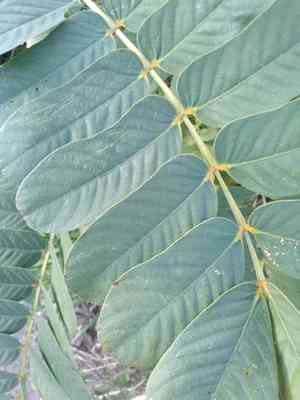
Emperor's candlesticks are best propagated in the spring and summer seasons using stem sections. This procedure is quite straightforward, and successful rooting is evident when new shoots and leaves emerge. Ensure the cuttings are placed in a growing medium that drains effectively and maintain a moist environment.
Optimal Period for Emperor's Candlesticks Propagation
Propagation Method
Cutting
Propagation Period
Spring, Summer
Tools Required for Emperor's Candlesticks Propagation
Sharp pruning shears
Pruning shears are crucial for taking cuttings from emperor's candlesticks. A clean, precise cut minimizes harm to the parent plant and cutting, promoting better healing and rooting. Sterilized shears prevent disease spread.
Rooting hormone
Rooting hormone aids in stimulating root development from emperor's candlesticks cuttings. Applying it to the cut end can speed up root formation and boost propagation success rates.
Potting mix
A well-draining, sterile potting mix offers an ideal setting for emperor's candlesticks cuttings to root. This mix should hold enough moisture for root growth, yet allow excess water to drain, preventing rot.
Small pots or propagation trays
These containers hold the potting mix and provide a stable environment for emperor's candlesticks cuttings to develop roots. They must have drainage holes to manage soil moisture.
Plastic bags or plastic wrap
Creating a mini greenhouse with plastic bags or wrap helps maintain high humidity around emperor's candlesticks cuttings, which is beneficial for root development. It also reduces leaf water loss, allowing the cutting to focus on rooting.
Misting bottle
A misting bottle is used to gently water emperor's candlesticks cuttings without disturbing the soil or roots. Frequent misting maintains moisture levels, essential for successful rooting.
Pencil or dibber
This tool creates planting holes in the potting mix for emperor's candlesticks cuttings. The diameter should be just large enough to insert the cutting without removing the rooting hormone.
How to Propagate Emperor's Candlesticks?
Propagation Method
Cutting
Difficulty Level
Moderately Difficult
Caring for Your Newly Propagated Emperor's Candlesticks
Caring for Your Newly Propagated Emperor's Candlesticks
Post-propagation, continue to provide emperor's candlesticks with bright, indirect light and shield it from extreme temperatures. Water young plants when the soil feels dry, and apply a balanced, slow-release fertilizer sparingly to support growth. As emperor's candlesticks matures, prune selectively to encourage bushiness and remove any dead or damaged growth. Monitor for common pests and diseases, treating as needed to maintain plant health. With proper care, they will establish well and enhance garden beauty.
Common Errors to Avoid When Propagating Emperor's Candlesticks
Overwatering
Excessive watering during emperor's candlesticks propagation can lead to root rot or fungal diseases due to overly moist conditions that don't mimic the plant's natural tropical environment. This error can severely impact the cutting's ability to root and the plant's overall health.
Using overly mature cuttings
Propagating emperor's candlesticks with overly mature cuttings can be less effective as older stems may not root as easily. This can lower the propagation success rate, potentially leading to wasted effort and resources.
Neglecting humidity needs
Failure to maintain high humidity during propagation can cause emperor's candlesticks cuttings to dry out. As emperor's candlesticks is native to a humid environment, insufficient air moisture can impede the rooting process and cause cuttings to fail.
Tips For Propagating Emperor's Candlesticks
Proper cutting selection
Choose semi-ripe cuttings for emperor's candlesticks propagation, as these are typically the most successful. Semi-ripe cuttings have partially matured wood that can encourage better root formation.
Adequate drainage
Ensure the potting mix for emperor's candlesticks propagation has excellent drainage to prevent waterlogging. A mix of peat, perlite, and sand can provide the ideal balance for healthy root development without retaining excessive moisture.
Humidity control
Create a humid environment for emperor's candlesticks cuttings by using a humidity dome or plastic bag to cover them. This will mimic their natural habitat's humidity and support successful rooting without causing the cuttings to dry out.



