How to Propagate String-of-pearls?
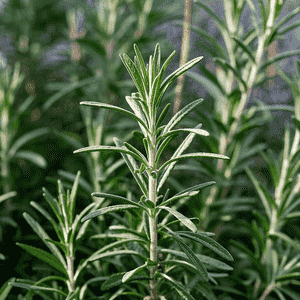
Senecio rowleyanus can be multiplied through soft stem sections during the prime seasons of spring and summer. Its propagation presents a moderate challenge, yet with diligent nurturing and focus, indicators of successful multiplication, such as fresh shoots and root formation, will become apparent. To guarantee effective propagation, it is crucial to maintain the moisture of the cuttings and supply them with a growing medium that drains efficiently.
What Is the Best Time To Propagate String-of-pearls?
Propagation Type
Cutting
Propagation Season
Spring, Summer
What Tools Are Used in String-of-pearls Propagation?
Sharp scissors or pruning shears
These are essential for making clean cuts on string-of-pearls, preventing damage to delicate stems. Sharp tools ensure precise cuts, promoting faster healing and reducing infection risk.
Rooting hormone
Dipping the cut end of string-of-pearls into rooting hormone can stimulate root development and increase propagation success. This is crucial for succulents like string-of-pearls, as rooting can otherwise be slow.
Sterile potting mix
A well-draining, pathogen-free potting mix is vital for string-of-pearls cuttings to prevent root rot. A cactus/succulent mix is ideal, offering aeration and quick drainage for string-of-pearls root growth.
Small pots or propagation trays
These hold the potting mix and succulent cuttings. Small containers help manage watering and prevent excessive moisture around cuttings, which is critical for string-of-pearls, as it's prone to rot in wet conditions.
Plastic wrap or propagation dome
This creates a humid environment for string-of-pearls cuttings, preventing water loss through transpiration. This is especially beneficial for succulents that lack an extensive root system to absorb water yet.
Watering tool with a fine spout or misting bottle
Precise watering is key for propagating string-of-pearls. A fine spout directs water without dislodging cuttings. A misting bottle can lightly moisten cuttings, providing hydration without overwatering.
Tweezers or a dibber
These aid in placing delicate cuttings into the propagation medium without harm. Their narrow tips are perfect for maneuvering in small trays and creating holes for inserting cuttings.
How to Propagate String-of-pearls?
Propagation Type
Cutting
Difficulty Level
Easy
How to Care for Your Newly Propagated String-of-pearls?
How to Care for Your Newly Propagated String-of-pearls?
After propagation, provide string-of-pearls with bright, indirect light and water only when the soil is dry for healthy growth. Maintain temperatures between 70°F and 80°F, avoiding drafts or sudden changes. Fertilize string-of-pearls with diluted succulent fertilizer every few weeks during the growing season for added nutrients. Prune long stems to encourage fuller growth. Monitor for pests and diseases, addressing them as needed. Over time, string-of-pearls will develop its characteristic trailing cascade of round leaves.
Common Mistakes to Avoid When Propagating String-of-pearls
Overwatering cuttings
Excessive watering of string-of-pearls cuttings leads to rot, as they are highly susceptible to too much moisture. This compromises the delicate root initiation, often causing the cutting to die before establishment.
Using too large a pot
Planting string-of-pearls cuttings in an oversized pot can retain too much moisture around the roots, which string-of-pearls dislikes. This increases root rot risk because the small root system can't absorb all the water before it stagnates.
Not allowing cuttings to callous
String-of-pearls cuttings should be allowed to form a callus for a few days before planting. Without callousing, the cut end is more vulnerable to infection and rot when placed in moist soil.
Submerging cuttings too deep
Inserting string-of-pearls cuttings too deeply into the soil can promote rot, as the plant nodes, where roots form, can be suffocated by excess soil, hindering their ability to absorb oxygen and nutrients efficiently.
Ignoring light requirements
Placing string-of-pearls cuttings in unsuitable light conditions can impede propagation. While they need bright, indirect light, too much direct sun can scorch tender cuttings, and too little light can weaken them, leading to poor root development.
Tips For Propagating String-of-pearls
Properly preparing cuttings
Ensure string-of-pearls cuttings are made with a clean, sterilized tool, approximately 3-4 inches long. This minimizes disease risk and provides enough stem to sustain the plant during root development.
Creating the right environment
Provide a warm, well-ventilated environment with bright, indirect light for string-of-pearls cuttings to flourish. This encourages healthy rooting without the risk of mildew or rot from stagnant, humid air.
Using the right soil mix
Use a well-draining potting mix, ideally a cactus or succulent blend, for string-of-pearls. This promotes proper drainage and aeration, crucial for healthy root development.
Mist roots for hydration
Instead of traditional watering, lightly mist the base of string-of-pearls cuttings to provide moisture without oversaturating the soil. This controlled method reduces rot risk and encourages gradual root growth.
Planting cuttings correctly
When planting string-of-pearls cuttings, let the calloused end rest on top of the soil or slightly embedded. Ensure nodes contact the soil, as roots will emerge there. Gently press the soil for stability, but avoid compacting it too much, which could hinder root growth.



