How to Propagate Common houseleek?
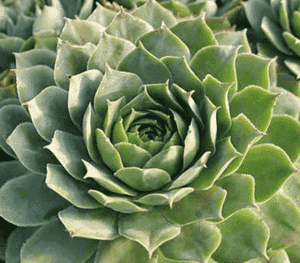
Sempervivum tectorum multiplies well from cuttings taken in either the spring or fall. This procedure is quite straightforward, with the emergence of roots and fresh shoots signaling success. Ensuring appropriate moisture levels is crucial for the best outcomes.
Optimal Time for Common Houseleek Propagation
Propagation Method
Cutting
Propagation Period
Spring, Autumn
Tools for Common Houseleek Propagation
Sharp Knife or Scissors
To acquire cuttings from common houseleek, a keen and sanitized knife or pair of scissors is essential. This instrument guarantees precise cuts without harming plant tissue, lowering infection risk and promoting successful rooting. The blade's sharpness also aids in cleanly separating offsets from the parent plant, a vital step in propagating common houseleek.
Sterilizing Agent (e.g., Isopropyl Alcohol)
To prevent disease transmission during common houseleek propagation, sterilizing agents are employed to cleanse cutting tools before and after each use. Isopropyl alcohol is effective for this purpose and contributes to the overall health and viability of new plantlets.
Tweezers or Forceps
These are utilized for carefully and precisely handling small common houseleek offsets, especially when detaching them from the parent plant without causing harm to either. Tweezers or forceps are particularly advantageous due to the compact size of common houseleek, enabling meticulous manipulation during the propagation process.
Rooting Hormone Powder
This enhances root development in common houseleek cuttings. By dipping the base of the offsets into the rooting hormone powder, it stimulates root growth more rapidly and boosts the propagation success rate.
Well-Draining Potting Mix
A suitable soil medium offers the necessary support and nutrients for common houseleek cuttings to root successfully. Well-draining potting mix ensures that delicate new roots are not overwatered, which is crucial as common houseleek is susceptible to root rot if kept in excessively moist conditions.
Small Pots or Trays
Ideal for holding individual common houseleek cuttings or offsets, small pots or trays help maintain appropriate moisture levels around developing roots and facilitate easier handling during propagation. Correct size and material of containers ensure good aeration and prevent waterlogging.
How to Propagate Common Houseleek?
Propagation Method
Cutting
Difficulty Level
Easy
Caring for Your Newly Propagated Common Houseleek
Caring for Your Newly Propagated Common Houseleek
To care for newly propagated common houseleek, ensure it is in a spot with bright, indirect light and good air circulation. Water sparingly, allowing the soil to completely dry between waterings, and use a diluted, balanced fertilizer during the growing season. Shield the plant from extreme weather, and be aware of potential pests and diseases.
Common Mistakes to Avoid When Propagating Common Houseleek
Overwatering
Excessive watering of common houseleek can lead to root rot because these plants are adapted to arid conditions. Too much moisture in the soil can cause roots to become waterlogged and decay, significantly hindering the plant's ability to establish new growth during propagation.
Deep planting
Planting common houseleek offsets or leaves too deeply can result in rot, as the plant's base or leaves can retain excess moisture. These plants require light contact with the soil to encourage roots to seek out nutrients and moisture.
Ignoring offshoot health
Selecting offshoots that are not healthy or sufficiently mature can lead to poor propagation outcomes. Weak or diseased offshoots may lack adequate energy or resilience to establish new roots and grow.
Neglecting soil composition
Using an unsuitable soil mix can hinder common houseleek's rooting and growth. The plant thrives in well-draining soil, and a heavy or clay-rich mix can retain too much water, impeding root development.
Tips For Propagating Common Houseleek
Use healthy offshoots
Choose robust and mature offshoots or leaves from the parent plant for propagation. These have a greater likelihood of successfully rooting and developing into healthy new plants.
Right soil mix
Propagate common houseleek in a well-draining soil mix, ideally a blend of potting soil with sand, perlite, or fine gravel to promote aeration and proper drainage.
Proper planting depth
Place common houseleek offsets or leaf cuttings on the soil surface or slightly embedded into the soil without burying them too deeply. This encourages rooting without the risk of rotting.
Adequate watering
Water common houseleek sparingly during propagation. Wait until the soil is dry before adding a small amount of water to prevent over-saturation, which is crucial to avoid root rot.



