How to Propagate Peacock moss?
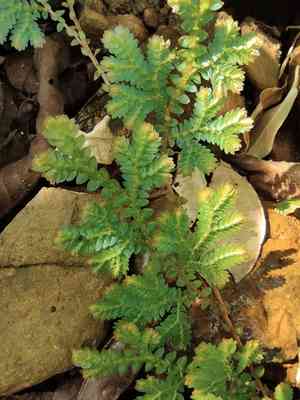
Peacock moss multiplies most effectively via cuttings during the prime periods of spring and summer. Its propagation presents a moderate challenge, with successful outcomes evidenced by fresh development and root formation. Verify that cuttings possess a robust stem and sufficient leaves.
Optimal Time for Peacock Moss Propagation
Propagation Method
Cutting
Propagation Period
Spring, Summer
Tools for Propagating Peacock Moss
Sharp Scissors or Pruning Shears
These are crucial for making precise cuts on peacock moss without harming the delicate stems. A clean cut helps prevent disease and promotes healthy root growth during propagation.
Rooting Hormone
This aids in stimulating root development and increases the likelihood of successful propagation. It is especially beneficial for peacock moss cuttings, ensuring robust roots form after planting in soil or another medium.
Sterile Potting Mix
A light, sterile potting mix offers the perfect setting for peacock moss cuttings to establish roots. It minimizes the risk of soil-borne illnesses that could otherwise harm the vulnerable cuttings.
Small Pots or Trays
These are utilized for planting peacock moss cuttings after applying rooting hormone. They should feature drainage holes to prevent waterlogging, which is detrimental to root formation.
Plastic Bags or Covers
Creating a miniature greenhouse with plastic bags or covers maintains elevated humidity around peacock moss cuttings, which is essential for their survival and growth until they can thrive independently.
Misting Bottle
It is employed to gently maintain moisture levels without disturbing the cuttings or soil. This is advantageous as peacock moss prefers consistent moisture for successful rooting and development.
Tweezers or Small Tools
These facilitate the careful handling and placement of peacock moss cuttings, particularly in small pots or if precise positioning is required, without damaging the plant material.
Labels or Markers
Properly labeling pots or trays becomes important for monitoring the progress of peacock moss cuttings and to maintain an organized propagation area, contributing to systematic care and observation.
How to Propagate Peacock Moss
Propagation Method
Cutting
Difficulty Level
Easy
Caring for Your Newly Propagated Peacock Moss
Caring for Your Newly Propagated Peacock Moss
Ensure peacock moss is kept in a high-humidity environment with indirect sunlight. Water regularly to maintain consistently moist soil, but avoid overwatering, which can lead to root rot. Peacock moss prefers well-draining soil and a stable, non-cold temperature. Regular misting or using a pebble tray can help maintain humidity. Fertilize sparingly, as peacock moss does not have high nutrient needs, and ensure good air circulation to prevent mold.
Common Errors to Avoid When Propagating Peacock Moss
Overwatering
While peacock moss thrives in moist conditions, excessive watering can cause root rot and fungal problems, which can hinder propagation efforts.
Too much direct sunlight
Peacock moss flourishes in filtered or partial shade. Exposing it to excessive direct sunlight can result in leaf burn and impede its growth.
Using overly dense soil
Propagating peacock moss in a medium that is too heavy and lacks proper drainage can suffocate the roots, preventing successful propagation.
Neglecting humidity
Peacock moss requires a high-humidity environment to thrive. Failing to provide adequate humidity can cause the plant to dry out, impacting rooting and growth.
Improper division
When propagating peacock moss by division, making divisions that are too small or lack sufficient root systems can lead to propagation failure.
Impatience
Peacock moss can be slow to establish and grow. Being impatient and constantly checking or disturbing the plant can damage delicate new roots and shoots.
Tips For Propagating Peacock Moss
Balanced moisture
Maintain consistently moist but not waterlogged conditions for peacock moss to encourage healthy root development without risking root rot.
Filtered light
Provide bright, indirect light or partial shade to simulate the natural environment of peacock moss, which helps in stimulating growth.
Light, airy medium
Use a light, well-aerated growing medium that retains moisture yet provides good drainage to support peacock moss's delicate root system.
Maintain high humidity
Keep the humidity high around peacock moss during propagation, potentially by using humidity trays or enclosing the plant in a clear plastic bag with air holes.
Gentle division
When dividing peacock moss, ensure each section has a sufficient root system. Care for the divided plants gently to avoid trauma to the roots.
Patience
Allow peacock moss the time it needs to establish without disturbance. Growth might be slow initially, but a settled and healthy plant will propagate more successfully.



