How to Propagate Selaginella tamariscina?
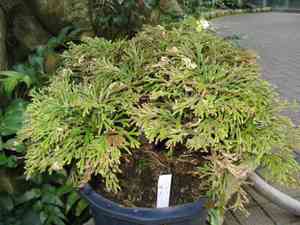
Belonging to the Selaginellaceae botanical group, Selaginella tamariscina is a type of spikemoss recognized for its dense, fern-like aesthetic. To multiply Selaginella tamariscina, employ sections of its stems. Choose robust, non-blooming stems, making sure each segment contains at least one joint. Insert these cuttings into a damp, adequately draining soil blend, providing elevated humidity and steady, yet not waterlogged, moisture levels to foster root development. Root growth usually becomes apparent within several weeks, provided appropriate care and environmental factors are met.
Optimal Period for Selaginella Tamariscina Propagation
Propagation Method
Cutting
Propagation Period
Spring,Summer
Tools Required for Selaginella Tamariscina Propagation
Sharp Pruning Shears
Sharp pruning shears are crucial for making clean cuts on stem sections from selaginella tamariscina. A precise cut minimizes harm to the parent plant and the cutting, boosting the likelihood of successful rooting. The shears must be sharp and sanitized between uses to prevent disease spread.
Rooting Hormone
Rooting hormone in powder or gel form significantly boosts root development in selaginella tamariscina cuttings. Dipping the cut ends into the hormone stimulates quicker root growth, which is vital for delicate plants like selaginella tamariscina that need to establish a strong root system rapidly.
Sterile Potting Mix
A sterile potting mix ensures selaginella tamariscina cuttings are planted in a pathogen-free environment, lowering the risk of soil-borne diseases affecting root development. The mix should be light and well-draining, yet able to hold enough moisture for initial growth without becoming waterlogged.
Humidity Dome
A humidity dome or clear plastic cover helps maintain elevated humidity levels around selaginella tamariscina cuttings, which is essential for preventing leaf drying while new roots form. A stable, humid environment ensures cuttings don't dehydrate and can gradually adapt to less controlled conditions.
How to Propagate Selaginella Tamariscina?
Propagation Type
Easy
Caring for Your Newly Propagated Selaginella Tamariscina
Caring for Your Newly Propagated Selaginella Tamariscina
Post-propagation, maintain high humidity for selaginella tamariscina using a humidity tray or by regularly misting the foliage. Keep the soil consistently moist but avoid saturation. Shield young plants from direct sunlight and gradually acclimate them to their permanent spot over several weeks. Regular checks for pests and diseases are vital, as young plants are particularly susceptible.
Common Errors to Avoid When Propagating Selaginella Tamariscina
Overwatering
Excessive watering can cause root rot in selaginella tamariscina, which thrives in moist but not waterlogged conditions.
Insufficient humidity
Lack of adequate humidity can lead to selaginella tamariscina drying out, hindering growth and potentially causing the plant's demise, as selaginella tamariscina prefers a humid environment.
Using large cuttings
Larger cuttings are more prone to drying out before rooting. Smaller sections of selaginella tamariscina typically root more successfully.
Planting in poor soil
Using soil that drains poorly or lacks aeration can suffocate the roots of selaginella tamariscina, impeding its ability to propagate effectively.
Tips For Propagating Selaginella Tamariscina
Appropriate cutting size
Choose small cuttings of selaginella tamariscina as they will retain moisture better and root more efficiently.
Balanced moisture
Maintain consistently moist but not waterlogged soil to prevent root rot and provide suitable conditions for root development.
High humidity
Keep selaginella tamariscina in a highly humid environment, such as a terrarium or by using a humidity tray, to promote healthy propagation.
Well-draining substrate
Use a well-draining potting mix that retains moisture yet allows excess water to escape, supporting the health of selaginella tamariscina's roots.



