How to Propagate Broadleaf stonecrop?
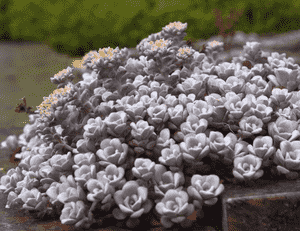
Broadleaf stonecrop multiplies most effectively via cuttings, preferably in the Spring or Summer seasons. This propagation method is straightforward, with the emergence of new foliage signaling successful development. For the best outcome, confirm that cuttings possess a robust leaf cluster.
Optimal Time for Broadleaf Stonecrop Propagation
Propagation Method
Cutting
Propagation Period
Spring, Summer, Autumn
Tools Required for Broadleaf Stonecrop Propagation
Sharp Scissors or Pruning Shears
To obtain cuttings for propagation, sharp scissors or pruning shears are essential. They ensure a clean cut that minimizes damage to the parent plant and the cutting, which is critical for the health and quick recovery of broadleaf stonecrop. A clean cut also reduces the risk of infection and encourages better rooting.
Sterilizing Agent (e.g., Rubbing Alcohol or Bleach Solution)
To prevent the spread of disease during the propagation process, it's imperative to sterilize the cutting tools before each cut. A sterilizing agent helps eliminate pathogens that could be detrimental to broadleaf stonecrop's health, ensuring the successful establishment of the new plants.
Rooting Hormone
Applying rooting hormone to the cut end of the broadleaf stonecrop cutting can significantly increase the chances of successful root development. The hormone stimulates root growth, reduces the time for rooting, and improves the overall health of the cutting during its initial stages of growth.
Potting Mix
A well-draining, lightweight potting mix is vital for the root development of broadleaf stonecrop cuttings. The mix should provide sufficient aeration and moisture retention to support the delicate new roots without becoming waterlogged, which could cause rot.
Containers with Drainage Holes
Propagation containers with adequate drainage prevent excess water from accumulating at the bottom, which could lead to root rot. Using containers with drainage holes ensures that broadleaf stonecrop has the right moisture conditions for healthy root development.
Plastic Wrap or Propagation Dome
Maintaining a humid environment around the broadleaf stonecrop cuttings is beneficial for preventing moisture loss from the leaves. Covering the containers with plastic wrap or using a propagation dome creates a mini greenhouse effect, which helps keep the humidity level high and supports the rooting process.
How to Propagate Broadleaf Stonecrop?
Propagation Method
Cutting
Difficulty Level
Easy
Caring for Your Newly Propagated Broadleaf Stonecrop
Caring for Your Newly Propagated Broadleaf Stonecrop
Post-propagation care for broadleaf stonecrop involves ensuring the plant continues to receive bright but indirect light, moderate temperatures, and minimal watering, as it is a drought-tolerant species. The soil should be well-draining to prevent root rot, and the pot or garden area must provide adequate room for growth. As broadleaf stonecrop grows, it may require occasional pruning to keep it compact and bushy. During active growing seasons, typically in spring and summer, a light application of a balanced, slow-release fertilizer can promote lush growth. Protecting broadleaf stonecrop from frost is important as it may not be cold-hardy, depending on the climate.
Common Mistakes to Avoid When Propagating Broadleaf Stonecrop
Overwatering
Overwatering can lead to root rot and fungal infections in broadleaf stonecrop, as it is a succulent that prefers dry conditions. Soggy soil can cause the delicate roots to decay, inhibiting their growth and ability to take up nutrients effectively.
Too deep planting
Planting broadleaf stonecrop cuttings too deeply can cause the stem to rot before it has a chance to produce new roots. Broadleaf stonecrop typically have shallow rooting systems that require light exposure and air to properly form new growth.
Using dull cutting tools
Using dull or unclean cutting tools when taking cuttings of broadleaf stonecrop can damage the plant tissues and introduce diseases. Clean, sharp tools make precise cuts, ensuring faster healing and reducing the risk of infections.
Neglecting to let cuttings callous
Failing to allow cuttings of broadleaf stonecrop to callous over before planting can lead to moisture loss and disease. A calloused end helps protect the cutting and encourages root formation once the cutting is planted.
Tips For Propagating Broadleaf Stonecrop
Dry soil between waterings
Allowing the soil to dry completely between waterings ensures that broadleaf stonecrop does not sit in too much moisture, which is crucial for avoiding root rot and promoting healthy root development.
Shallow planting
Plant cuttings of broadleaf stonecrop shallowly in well-draining soil mixed with sand or perlite. This helps prevent moisture accumulation around the stem and allows for adequate root aeration and growth.
Clean and sharp tools
Use sterile, sharp tools to take cuttings from broadleaf stonecrop. This practice minimizes damage to the parent plant and the cutting, fostering a healthier propagation process by reducing the risk of disease transmission.
Allow cuttings to callous
After taking cuttings, allow the ends to callous over for a few days before planting. This process forms a protective layer that helps prevent rot and encourages root development once the cutting is in soil.
Proper substrate
Using a well-draining substrate is essential for broadleaf stonecrop propagation. A mix of potting soil, coarse sand, and perlite will provide the right balance of moisture retention and drainage needed for successful root growth.



