How to Propagate Stringy stonecrop?
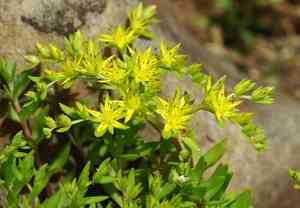
Sedum sarmentosum, a plant readily multiplied via soft stem sections, presents an excellent choice for horticulturalists. Reproduction achieves peak success during the spring and summer seasons. Indicators of effective propagation encompass robust root formation and fresh development. Recommendations for successful propagation involve utilizing vigorous cuttings and ensuring steady hydration and illumination.
Optimal Period for Stringy Stonecrop Propagation
Propagation Method
Cutting
Propagation Period
Spring, Summer
Tools Required for Stringy Stonecrop Propagation
Sterile Pruning Shears
Sharp, sanitized pruning shears are crucial for obtaining clean cuts from stringy stonecrop. This implement minimizes harm and lowers infection risk, promoting quicker healing and root growth.
Rooting Hormone Powder or Gel
Applying rooting hormone to the fresh cuts of stringy stonecrop cuttings aids in stimulating root development and boosts propagation success. The hormone encourages the cut plant tissues to transition from vegetative growth to root formation.
Propagation Trays
Propagation trays serve to organize and hold multiple stringy stonecrop cuttings in a regulated setting. These trays facilitate easy monitoring of moisture levels and root progression while offering ample room for growth.
Seed Starting Mix or Perlite
A well-draining, sterile seed starting mix, or perlite, offers the perfect environment for the rooting medium. It supports the initial growth of stringy stonecrop by being lightweight, allowing for proper aeration and water retention without waterlogging.
Clear Plastic Covers or Bags
Transparent plastic covers or bags create a mini-greenhouse effect, maintaining high humidity around the stringy stonecrop cuttings, which is vital for preventing them from drying out before rooting.
Watering Can with a Fine Nozzle
A watering can equipped with a fine nozzle delivers a gentle water stream to keep the soil moist without disturbing the stringy stonecrop cuttings or causing soil erosion, which is critical for delicate new roots to form.
How to Propagate Stringy Stonecrop?
Propagation Type
Cutting
Difficulty Level
Easy
Caring for Your Newly Propagated Stringy Stonecrop
Caring for Your Newly Propagated Stringy Stonecrop
Post-propagation, continue to provide stringy stonecrop with bright, indirect light and allow the soil to dry between waterings. Stringy stonecrop is drought-tolerant, and excessive watering can lead to root rot. During the active growth phase, fertilize sparingly with a balanced, water-soluble fertilizer once a month. In colder months, reduce watering and stop fertilization as the plant enters dormancy. Regularly inspect for pests and diseases, and remove any dead or damaged foliage to encourage robust growth. Stringy stonecrop can be cultivated outdoors in USDA zones 5 through 10, but requires protection from extreme cold.
Common Errors to Avoid When Propagating Stringy Stonecrop
Overwatering after propagation
Excessive watering of stringy stonecrop after propagation can lead to root rot, as the cuttings are particularly vulnerable before new roots establish. This error will likely diminish the cuttingsâ survival chances, resulting in decay and fungal infections.
Utilizing unhealthy parent plants
Propagating from diseased or weak sections of stringy stonecrop can result in poor-quality cuttings that are unlikely to thrive. This is problematic as it wastes time and resources, and may spread disease to new plants.
Planting cuttings too deep
Inserting stringy stonecrop cuttings too deeply into the soil can cause the stems to rot before they can root. This error impedes adequate aeration and can lead to a reduced success rate in propagation.
Neglecting hygiene
Propagating stringy stonecrop without sterilizing tools can introduce pathogens, leading to diseased cuttings. A lack of cleanliness can significantly impact plant health and reduce the success of propagation efforts.
Tips For Propagating Stringy Stonecrop
Use sharp scissors
Cuttings of stringy stonecrop should be taken with a clean, sharp pair of scissors or secateurs to minimize damage to the parent plant and ensure a clean cut that heals quickly and roots easily.
Choose healthy segments
Selecting vigorous and healthy segments from stringy stonecrop for propagation ensures a higher success rate as these cuttings have the best chance to root and grow into robust plants.
Moderate watering
Providing a balanced amount of moisture to stringy stonecrop cuttings is key. The soil should be kept slightly moist but not waterlogged to support root formation without causing rot.
Proper planting depth
Planting stringy stonecrop cuttings shallowly ensures that a portion of the stem is above the soil line, allowing for adequate light exposure and air circulation, which are essential for rooting and initial growth.



