How to Propagate Goldmoss stonecrop?
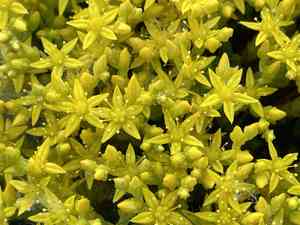
Sedum acre displays a straightforward propagation characteristic, with soft stem sections being the favored technique throughout the spring and summer periods. Indicators of successful propagation encompass the development of robust roots and fresh sprouts. It is recommended that the cuttings originate from vigorous parent specimens and are kept hydrated until their root systems are established to encourage successful propagation.
Optimal Time for Goldmoss Stonecrop Propagation
Propagation Method
Cutting
Propagation Period
Spring, Summer
Tools for Goldmoss Stonecrop Propagation
Sharp Scissors or Pruning Shears
These instruments are vital for making precise cuts on goldmoss stonecrop stems or leaves without causing undue harm to the parent plant. A clean incision helps prevent infection and promotes better healing and rooting of the cuttings.
Sterile Potting Mix
A sterile growing medium offers a pathogen-free environment for goldmoss stonecrop cuttings, lowering the risk of soil-borne diseases that could harm young plants. This mix should drain well to suit the succulent's needs.
Rooting Hormone Powder
This compound can boost root development in goldmoss stonecrop cuttings by stimulating root cell formation. It can increase the likelihood of successful propagation, especially for more challenging cuttings.
Small Pots or Trays
Appropriately sized containers are necessary for placing goldmoss stonecrop cuttings after they have been treated with rooting hormone. They must have sufficient drainage to prevent waterlogging, which could lead to cutting rot.
Plastic Bags or Propagation Domes
These items create a miniature greenhouse effect around goldmoss stonecrop cuttings, maintaining high humidity essential for encouraging root growth. They help retain moisture and warmth, thus fostering quicker development.
Misting Spray Bottle
A misting bottle allows for gentle hydration that doesn't disturb the newly planted goldmoss stonecrop cuttings. Regular misting helps maintain optimal humidity levels around the cuttings without overwatering the soil.
Tweezers
Tweezers can be particularly useful for handling small or delicate goldmoss stonecrop cuttings or leaves during the propagation process, enabling precise placement without damaging the plant material.
Heat Mat (Optional)
A heat mat can provide consistent warmth from below, which encourages root growth in goldmoss stonecrop cuttings during cooler climates or seasons. However, it's important to monitor the temperature carefully to avoid overheating the fragile cuttings.
Propagating Goldmoss Stonecrop
Propagation Method
Cutting
Difficulty Level
Easy
Caring for Newly Propagated Goldmoss Stonecrop
Caring for Newly Propagated Goldmoss Stonecrop
Once goldmoss stonecrop cuttings have rooted and show new growth, gradually move them to their ideal growing conditions. Goldmoss stonecrop prefers well-draining soil, moderate watering when the topsoil is dry, and full to partial sunlight. Avoid excessive watering to prevent root rot. Fertilize sparingly during the active growth period and avoid fertilizer in the dormant winter period. Protect from extreme cold and ensure pots provide adequate drainage.
Common Propagation Mistakes for Goldmoss Stonecrop
Overwatering
Propagating goldmoss stonecrop can lead to accidental overwatering, which can cause rot in stem or leaf cuttings. This is problematic as goldmoss stonecrop is a succulent that requires well-draining soil and is sensitive to excessive moisture.
Deep planting
Planting goldmoss stonecrop cuttings too deeply can result in poor aeration and potential rot, as goldmoss stonecrop has shallow roots and needs light contact with the soil to form new roots effectively.
Ignoring light requirements
Failing to provide goldmoss stonecrop with sufficient light during propagation can lead to etiolated growth (stretched, pale growth) because goldmoss stonecrop is a light-loving plant that needs bright, indirect light to thrive.
Using diseased cuttings
Propagating goldmoss stonecrop from diseased or pest-infested cuttings can spread the issue to new plants. This error hinders the health and vigor of the propagated specimen.
Neglecting to harden off
Goldmoss stonecrop may experience shock if moved from an indoor environment to direct outdoor conditions without a gradual acclimation process. This can lead to wilted or burned foliage as goldmoss stonecrop adjusts to more intense light and temperature variations outside.
Tips for Propagating Goldmoss Stonecrop
Well-draining soil
Using a well-draining soil mix, such as a cactus or succulent blend, is vital for goldmoss stonecrop's root development, as it helps prevent water retention and promotes healthy root growth.
Shallow planting
Place goldmoss stonecrop cuttings on the soil surface or insert them shallowly to ensure they receive adequate air and light, which are necessary for rooting and preventing rot.
Bright, indirect light
Providing bright, indirect light ensures goldmoss stonecrop propagates successfully, as it mimics the natural conditions where goldmoss stonecrop thrives and avoids the common issue of etiolation.
Healthy plant material
Selecting healthy and pest-free cuttings for propagation improves the chances of goldmoss stonecrop taking root and growing vigorously, ensuring a higher success rate for new plants.
Proper acclimation
Hardening off goldmoss stonecrop cuttings by gradually exposing them to outdoor conditions over a week or more will help them adjust and establish without the stress that could cause damage.



