How to Propagate Common crownvetch?
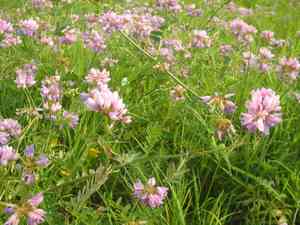
Crownvetch is frequently propagated by planting seeds in the spring, a straightforward process. The appearance of young plants signifies successful propagation. Ensure the seeds remain damp and are adequately spaced for best development.
Optimal Period for Propagating Common Crownvetch?
Propagation Method
Seeding
Propagation Period
Spring
Tools Utilized in Common Crownvetch Propagation?
Seed Trays
Seed trays are crucial for arranging common crownvetch seeds during the planting process. They enable efficient use of space and control over growing conditions. Each cell holds a single seed, providing ample room for initial development without competition.
Seed Starting Mix
A premium seed starting mix is essential for common crownvetch propagation. This soil medium guarantees good drainage and aeration, critical for common crownvetch seed germination. The mix is also typically sterile, helping prevent damping-off and other seedling ailments.
Plant Labels
Plant labels serve to identify common crownvetch in its early stages. As common crownvetch can be propagated alongside other species, labeling prevents confusion during upkeep and subsequent transplanting, ensuring proper care for each specific plant type.
Watering Can with a Fine Rose
This tool allows for gentle watering of common crownvetch seeds and seedlings. A fine rose attachment ensures a soft flow, preventing seed displacement or seedling harm, which is vital for delicate new growth. Consistent moisture levels can be maintained without excessive watering.
Grow Lights
For common crownvetch, grow lights provide necessary illumination when natural light is insufficient, promoting more uniform germination and robust growth. This is particularly beneficial in regions with short growing seasons or when starting seeds indoors.
Heat Mats
Heat mats gently warm the soil, stimulating root development and increasing germination rates for common crownvetch seeds. They are especially useful when ambient temperatures are not within the ideal range for common crownvetch germination.
Dibber or Seed Sowing Tool
A dibber assists in creating uniform holes for common crownvetch seeds during planting, allowing for precise seed placement and depth control. This contributes to optimal growth conditions and enhances successful propagation.
How to Propagate Common Crownvetch?
Propagation Method
Seeding
Difficulty Level
Easy
Caring for Your Newly Propagated Common Crownvetch?
Caring for Your Newly Propagated Common Crownvetch?
After propagating common crownvetch, it's important to continue providing appropriate care to ensure healthy growth. Established common crownvetch plants are relatively low-maintenance but benefit from occasional balanced fertilizer application to promote vigorous growth. Prune after flowering to maintain a tidy appearance and control spread, as common crownvetch can become invasive if left unchecked. Monitor for pests and diseases, though common crownvetch is generally pest-resistant. Remember that common crownvetch tolerates various soil conditions and drought, making it suitable for xeriscaping and erosion control.
Common Errors to Avoid When Propagating Common Crownvetch
Overwatering
Excessive watering can lead to root rot and fungal diseases in common crownvetch, which thrives in well-drained soil. Waterlogged conditions can suffocate roots, reducing the plant's ability to absorb nutrients and water.
Planting too deep
Planting common crownvetch seeds or cuttings too deeply can hinder their ability to sprout or take root because common crownvetch requires light for optimal germination and growth. This error can also make the plant more vulnerable to rot and pests.
Ignoring spacing guidelines
Planting common crownvetch too close together can result in poor air circulation and increased competition for resources, leading to weaker plants and reduced propagation success.
Neglecting to remove invasive parts
Failing to prune or manage the spreading portions of common crownvetch can cause it to become invasive and outcompete other species in the garden, disrupting the local ecosystem balance.
Tips For Propagating Common Crownvetch
Moderate watering
Provide common crownvetch with moderate and consistent watering, ensuring the soil is moist but not waterlogged to encourage healthy root development without risking overwatering.
Surface sowing
Sow common crownvetch seeds just below the soil surface or lightly press them into the soil to ensure adequate light exposure, which is vital for germination and initial growth.
Adequate spacing
Space common crownvetch plants properly to ensure good air circulation and access to sunlight, which helps reduce the risk of pests and diseases while promoting robust plant growth.
Timely pruning
Regularly prune or cut back common crownvetch to control its spread and invasiveness. This will also promote further bushiness and healthy growth, ensuring better propagation results.



