How to Propagate Chayote?
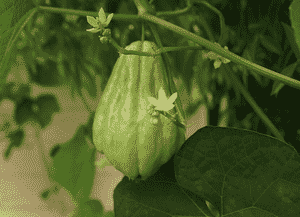
Chayote, a perennial climbing plant, is recognized for its edible produce. Reproduction is typically achieved by planting the single seed located inside the mature fruit. Effective propagation relies on choosing a robust, fully developed fruit and removing the seed, which is essentially the whole fruit as it contains only one. Cultivation requires well-drained, nutrient-rich soil, with the fruit buried halfway and its narrower tip pointing skyward. Regular irrigation and vigilance against pests and ailments are vital for chayote's development. Furthermore, a strong support structure aids its climbing nature and encourages vigorous growth.
What Is the Best Time To Propagate Chayote?
Propagation Type
Sowing
Propagation Season
Spring
What Tools Are Used in Chayote Propagation?
Pots or planting containers
These are vital for initiating chayote seeds. Given chayote's requirement for ample root space and proper drainage, broad and moderately deep containers are perfect. Such containers should feature bottom holes to allow excess water to exit, thereby preventing root decay.
Well-draining soil mixture
A blend rich in organic matter, such as one containing compost, peat, and perlite, is crucial for chayote germination and development. The soil must retain sufficient moisture for seed hydration but drain adequately to prevent waterlogging, which can lead to fungal diseases harmful to chayote.
Watering can with a fine rose
This implement is essential for gently irrigating chayote seeds and young plants. A fine rose attachment on the watering can helps distribute water uniformly without dislodging soil or harming delicate seedlings.
Seedling heat mat
Considering chayote's tropical origins, a seedling heat mat can boost germination rates by maintaining a consistent soil temperature, especially in cooler climates. This tool ensures the soil temperature remains ideal for chayote seed germination, which can be highly dependent on warmth.
Grow lights
Particularly useful if propagating chayote indoors or during periods of limited sunlight. Grow lights help mimic natural sunlight, encouraging photosynthesis and robust growth, ensuring chayote seedlings receive adequate light energy for development when natural sunlight is insufficient.
How to Propagate Chayote?
Propagation Type
Easy
How to Care for Your Newly Propagated Chayote?
How to Care for Your Newly Propagated Chayote?
Post-propagation, it's crucial to maintain consistent soil moisture without overwatering chayote. Regularly inspect the plant for indications of pests or diseases. Fertilize the chayote every four to six weeks with a balanced fertilizer to support vigorous growth. Prune old or dead foliage to encourage new growth and enhance air circulation. Harvest the fruits when they reach an adequate size and display a light green hue. Ensure consistent care and monitoring to maintain a healthy and productive chayote plant.
Common Mistakes to Avoid When Propagating Chayote
Ignoring pre-sprouting conditions
Disregarding the environment in which chayote pre-sprouts can result in rot or stunted growth. It needs a warm, well-ventilated area to initiate the germination process.
Poor cutting practices
Improperly cutting the fruit when attempting to propagate chayote can harm the embryonic shoot inside, rendering it non-viable.
Overwatering
Excessive watering of chayote cuttings can lead to root rot and fungal infections, significantly reducing the likelihood of successful propagation.
Planting depth error
Planting chayote at an incorrect depth can either expose the developing sprout to harsh conditions or suffocate it, impeding growth and establishment.
Neglecting to harden off
Failing to gradually acclimate chayote to outdoor conditions through a hardening off process can cause shock and hinder growth when moved from an indoor or protected environment.
Tips For Propagating Chayote
Correct pre-sprouting setup
Ensuring a warm and airy environment assists chayote in the pre-sprouting phase, which is vital for a healthy start in propagation.
Appropriate cutting method
Using a clean and sharp knife when taking a cutting from chayote ensures the embryonic shoot within is undamaged and capable of sprouting.
Regulated watering
Providing chayote with consistent, moderate watering prevents root rot and supports steady growth during the initial stages of propagation.
Optimal planting depth
Planting chayote at a depth where the sprout is just covered and the broader end of the fruit is exposed, ensures the best growing conditions for the sprout to emerge.
Gradual hardening off
Gradually exposing chayote to outdoor conditions over an extended period allows the plant to adapt without suffering from environmental stress, which is crucial for successful establishment.



