How to Propagate Portuguese squill?
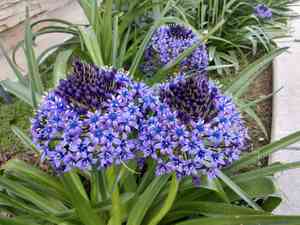
Scilla peruviana, a bulb-forming perennial, is highly valued for its impressive star-like azure blossoms. Reproducing this species is consistent with its natural development, utilizing its underground storage organs. Cultivators ought to meticulously separate these tubers during their inactive phase, once the leaves have receded. Verify that every segment possesses a minimum of one budding point to ensure successful establishment. Delicate manipulation is crucial to prevent harm to the tubers, which could impede their progress. For vigorous development, embed the tubers in soil that drains effectively and supply suitable moisture and illumination, replicating their native Mediterranean environment.
Optimal Time for Portuguese Squill Propagation
Propagation Method
Utilize The Tubers
Propagation Period
Spring
Tools Required for Portuguese Squill Propagation
Sharp Knife or Scalpel
This instrument is crucial for making clean cuts on portuguese squill tubers, minimizing harm to plant tissues. A sharp knife or scalpel enables precise incisions, vital for reducing infection risk and promoting faster healing and rooting of tuber sections.
Sterilizing Agent (e.g., Isopropyl Alcohol or Bleach Solution)
Used to sanitize cutting implements before and after slicing portuguese squill tubers. This practice prevents the introduction or spread of pathogens, helping maintain the health and viability of tubers throughout the propagation process.
Rooting Hormone Powder or Gel
This compound promotes root development when applied to the cut surfaces of portuguese squill's tubers. It contains hormones that stimulate root growth, enhancing the likelihood of successful propagation.
Potting Mix
A well-draining, nutrient-rich potting medium suitable for bulbous plants is essential for portuguese squill. This substrate provides the necessary support and nourishment to newly cut tubers, facilitating better root establishment and growth.
Pots or Propagation Trays
These containers hold the potting mix and newly planted tuber sections of portuguese squill. They should feature adequate drainage holes to prevent waterlogging, which is detrimental to the health of portuguese squill's tubers.
Labels and Markers
Used to identify pots or trays containing portuguese squill tuber sections. Proper labeling is important for tracking growth progress and ensuring correct care routines are followed during the propagation phase.
Post-Propagation Care for Your Portuguese Squill
Post-Propagation Care for Your Portuguese Squill
Once portuguese squill is established, maintain consistent moisture but allow the soil's top layer to dry between waterings. Fertilize with a balanced feed every four weeks during active growth. Reduce watering in dormancy and protect from frost. Remove spent flowers to encourage more blooms.
Common Errors to Avoid When Propagating Portuguese Squill
Overwatering
Excessive watering of portuguese squill can lead to bulb rot, hindering successful propagation. Too much moisture can create an environment conducive to fungal diseases, potentially destroying the bulbs.
Deep Planting
Burying portuguese squill bulbs too deeply can impede sprouting, as the plant requires a certain level of sunlight and warmth that may not penetrate effectively if the bulb is too far below the soil surface.
Ignoring Pot Drainage
Using pots without adequate drainage for portuguese squill can cause water to accumulate at the bottom, leading to rotting of the bulb and roots, hindering healthy growth and propagation.
Neglecting Bulb Separation
Failure to properly separate offsets from the parent bulb of portuguese squill can lead to overcrowding, competition for resources, and reduced vitality of new plants.
Advice for Propagating Portuguese Squill
Gentle Handling
Handle portuguese squill bulbs with care to prevent damage. Damaged bulbs are less likely to sprout and more susceptible to disease, which can impact propagation success.
Adequate Spacing
Provide portuguese squill bulbs with sufficient space when planting to ensure each has ample room to grow. This helps prevent resource competition and allows for better air circulation around each plant.
Appropriate Soil Mix
Utilize a well-draining soil mix for portuguese squill propagation to prevent waterlogging. This should include a blend of potting soil, sand, and compost to provide the right balance of drainage and nutrients.
Bulb Care Before Planting
Before planting portuguese squill bulbs, inspect them for signs of damage or disease and only use healthy bulbs. This increases the chance of successful propagation and healthy plant growth.



