How to Propagate Softstem bulrush?
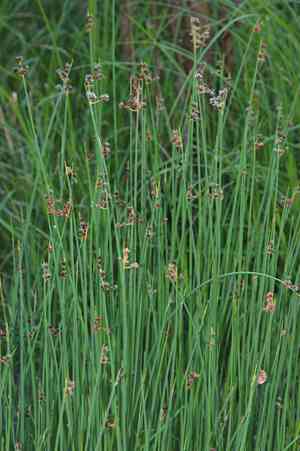
Scirpus validus flourishes in aquatic habitats, and its reproduction is effectively accomplished via cutting methods. The judicious choice of vigorous parent specimens is crucial for successful cultivation, necessitating the severance of sturdy, pathogen-free stem sections. Guaranteeing these sections are embedded in damp, nutrient-rich substrate will maximize root formation. Steady hydration and moderate solar exposure will additionally facilitate the emergence of new shoots, cultivating a strong root network vital for its endurance.
Optimal Time for Softstem Bulrush Propagation
Propagation Method
Cutting
Propagation Period
Spring,Summer
Tools for Softstem Bulrush Propagation
Sharp Pruning Shears
Utilized for obtaining cuttings from softstem bulrush. Sharp, clean blades guarantee a precise cut that avoids harming the plant's tissues, fostering faster healing and lowering the chance of disease.
Rooting Hormone
This compound is applied to the cut ends of softstem bulrush cuttings to stimulate root development and enhance the overall propagation success. Rooting hormone boosts the likelihood of robust root formation, vital for new plant viability.
Watering Can with a Fine Rose
Crucial for gently irrigating new softstem bulrush cuttings without dislodging them. The fine rose attachment evenly distributes water, providing necessary hydration without eroding the growing medium around newly planted cuttings.
Sterilizing Solution
Employed to sanitize pruning shears and any other tools that contact softstem bulrush. This prevents pathogen spread and ensures cuttings remain healthy during critical initial root development stages.
Planting Trays
Designed for starting new cuttings. Planting trays enable organized growth management and ample space for each softstem bulrush cutting, aiding in maintaining ideal growing conditions.
Peat Pots
Biodegradable containers perfect for initiating softstem bulrush cuttings in water. These pots can be directly placed into soil as the plant matures, minimizing root disturbance and supporting a smooth transition from water to soil.
How to Propagate Softstem Bulrush?
Propagation Difficulty
Easy
Caring for Your Newly Propagated Softstem Bulrush
Caring for Your Newly Propagated Softstem Bulrush?
Post-transplant, maintain a consistently moist or shallow aquatic environment for softstem bulrush, as it thrives in wet conditions. Regularly check soil moisture and add water as needed to mimic the plant's natural habitat. Initially, avoid fertilizers to allow softstem bulrush to adapt without chemical stress. Gradual acclimatization to outdoor conditions is advised if propagated indoors.
Common Errors to Avoid When Propagating Softstem Bulrush
Insufficient water conditions
Not supplying enough water or keeping soil too dry can severely hinder softstem bulrush rooting and growth. Softstem bulrush thrives in wetland conditions; thus, inadequate water leads to poor establishment and weak plants.
Overcrowding of cuttings
Planting cuttings too closely restricts their access to adequate nutrients and can encourage disease spread. Each cutting requires sufficient space for growth and ventilation to prevent fungal infections.
Harvesting cuttings at the wrong maturity stage
Using either very young or overly mature stems can reduce softstem bulrush propagation success. Stems not at optimal maturity might lack sufficient energy reserves or be too woody to root effectively.
Tips For Propagating Softstem Bulrush
Utilize water rooting
Root softstem bulrush cuttings in shallow water before planting in soil. This method closely imitates the natural wetland conditions softstem bulrush is adapted to and can enhance the rooting process.
Select healthy parent plants
Always choose robust and healthy parent plants for cuttings. Strong parent plants yield more vigorous cuttings, increasing the likelihood of successful rooting and growth.
Use sterile equipment
When cutting stems for propagation, use clean and sterile scissors or knives. This practice prevents disease introduction and ensures healthier cutting growth.



