How to Propagate Common sassafras?
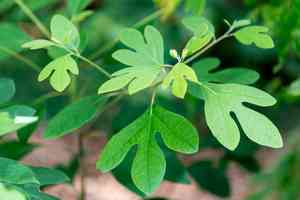
Sassafras albidum can be reproduced via dormant wood cuttings, air layering, and seeds. The optimal period for propagation is during the fall and winter months. The level of difficulty for propagation ranges from easy to moderate, and successful establishment is indicated by fresh development from the cutting or layer. Always ensure adequate hydration and maintain the newly propagated specimens in a warm setting.
Optimal Period for Propagating Common Sassafras
Propagation Method
Cutting
Propagation Period
Autumn,Winter
Tools Required for Common Sassafras Propagation
Pruning Shears
Sharp, clean pruning shears are essential for taking cuttings from common sassafras. They enable precise cuts that minimize harm to the parent plant and create clean surfaces on the cuttings, vital for healing and reducing infection risk.
Rooting Hormone
Rooting hormone stimulates root formation on common sassafras cuttings. Dipping the cut end into the hormone accelerates and enhances root development, thereby increasing the likelihood of successful propagation.
Sterile Potting Mix
A sterile potting mix offers a pathogen-free environment for common sassafras cuttings to establish roots. This medium should drain well yet retain enough moisture to promote root growth without becoming waterlogged.
Propagation Tray
Propagation trays are utilized to arrange and support common sassafras cuttings as they develop roots. They should have proper drainage and may be used with a humidity dome to maintain high humidity around the cuttings.
Humidity Dome
A humidity dome fits over the propagation tray, maintaining high humidity levels crucial for common sassafras cuttings to prevent drying out while roots are forming.
Heating Mat
If propagating common sassafras in cooler conditions, a heating mat can provide consistent bottom warmth that encourages root growth and may speed up the rooting process in cuttings.
Misting Bottle
A misting bottle helps maintain the air's moisture content around common sassafras cuttings. It is important for keeping the cuttings hydrated and preventing the delicate tissues from dehydrating.
Post-Propagation Care for Your Common Sassafras
Post-Propagation Care for Your Common Sassafras
Once the common sassafras cutting has rooted, typically within a few weeks, gradually introduce it to less humid conditions by making small holes in the plastic cover or opening propagator vents, eventually removing the cover entirely. Keep the soil moist but not soggy and provide the common sassafras with indirect light. After a robust root system develops, transplant the new common sassafras into a larger pot with standard potting soil and care for it as you would a mature common sassafras, ensuring adequate water, light, and good air circulation.
Common Errors to Avoid When Propagating Common Sassafras
Ignoring rooting challenges
Failing to use appropriate rooting hormone or conditions can lead to unsuccessful cutting propagation, resulting in root failure and eventual death of cuttings.
Excessive watering
Overwatering can cause root rot in common sassafras cuttings or seedlings. This stresses the plant and can be detrimental to its overall health.
Planting depth
Planting seeds or cuttings too deeply can hinder germination or root development. Doing so can suffocate the plant and impede proper growth.
Neglecting hygiene
Using unsterilized tools or containers can introduce pathogens, potentially causing disease in common sassafras. This risk impedes successful propagation and may spread to other plants.
Improper soil mix
Utilizing the wrong soil mix can prevent effective rooting and water drainage, affecting the growth of common sassafras. Appropriate soil conditions are crucial for healthy development.
Advice for Propagating Common Sassafras
Adequate rooting environment
Maintain a moist and warm environment to encourage rooting of common sassafras cuttings. Strike a balance to avoid waterlogging.
Appropriate soil preparation
Using well-draining, loamy soil enhances the chances of successful propagation for common sassafras by providing the necessary nutrients and moisture retention.
Cutting selection
Choose healthy, disease-free cuttings from a mature common sassafras for propagation to ensure the best chance of rooting and growth.
Light and temperature control
Provide diffused light and maintain a consistent warm temperature to create a conducive growing environment for common sassafras.
Sterilization practices
Always use sterilized tools and containers to prevent the spread of diseases during the propagation of common sassafras. This promotes a healthy start for the new plants.



