How to Propagate Ashoka tree?
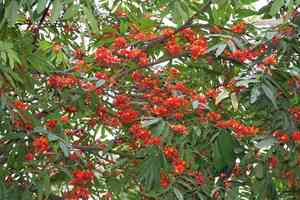
The ashoka tree, a distinguished evergreen originating from the Indian subcontinent's rainforests, is highly esteemed for its medicinal and aesthetic qualities. Cultivators aiming to multiply this variety generally find success using cuttings. To ensure favorable results, it is advisable to choose robust, semi-lignified sections and apply a rooting stimulant to the severed ends to promote root formation. Maintaining elevated humidity and consistent, diffused light conditions facilitates the rooting process, offering the ashoka tree the delicate care required for its flourishing.
What Is the Best Time To Propagate Ashoka Tree?
Propagation Type
Cutting
Propagation Season
Autumn,Winter
What Tools Are Used in Ashoka Tree Propagation?
Sharp pruning shears
Pruning shears are vital for obtaining healthy, clean sections from mature ashoka tree branches. A sharp blade ensures a precise cut, minimizing harm and stress to the parent plant, which boosts the overall success rate of cuttings.
Rooting hormone
Rooting hormone aids in stimulating root development from ashoka tree cuttings. Applying a rooting hormone to the cut end of a cutting can significantly increase the likelihood of successful root formation, thereby improving the establishment of new plants.
Sterile potting mix
A sterile potting mix is essential for propagating ashoka tree from cuttings. It lowers the risk of soil-borne diseases affecting new cuttings and offers a controlled environment for root growth. The mix should drain well yet retain adequate moisture.
Humidity dome or plastic cover
A humidity dome or clear plastic cover helps maintain the necessary humidity and moisture levels around ashoka treeâs cuttings. This creates an ideal microenvironment for cuttings to develop roots, crucial for their survival and initial growth.
Plant pots or containers
Durable plant pots or containers are needed to house each ashoka tree cutting during the rooting phase. These should have sufficient drainage holes to prevent waterlogging, which is detrimental to root development and overall plant health.
How to Propagate Ashoka Tree?
Propagation Type
Moderately Difficult
How to Care for Your Newly Propagated Ashoka Tree?
How to Care for Your Newly Propagated Ashoka Tree?
After ashoka tree cuttings have rooted, gradually acclimate them to less humid conditions by progressively opening the plastic cover over a week. Once fully acclimated, provide bright, indirect light and water when the topsoil starts to dry. Fertilize with a balanced, slow-release fertilizer every 6-8 weeks during the growing season to support healthy growth. Monitor for pests and diseases, treating them promptly to prevent spread.
Common Mistakes to Avoid When Propagating Ashoka Tree
Over-watering
Propagating ashoka tree requires maintaining moisture levels; however, excessive watering can lead to root rot, ultimately hindering successful establishment and growth.
Using inappropriate soil
Utilizing general potting mixes can be detrimental as ashoka tree requires well-draining and fertile soil to thrive. Inappropriate soil types can impede root development and affect overall health.
Neglecting cuttings treatment
Ignoring the need to treat cuttings with a rooting hormone can significantly reduce the chances of successful root development in ashoka tree.
Inadequate light placement
While propagating ashoka tree, excessive direct sunlight can harm the plant tissues and impede growth; however, insufficient light can weaken the plant's development.
Tips For Propagating Ashoka Tree
Optimal soil preparation
Ensure to use a well-draining, nutrient-rich soil mix specific for ashoka tree. Incorporating organic matter like compost can enhance soil fertility and drainage.
Careful watering
While the cutting or seeds of ashoka tree need consistent moisture, itâs crucial to avoid waterlogging. Implementing a balanced watering regimen that keeps the soil moist but not soaked is ideal.
Use of rooting hormone
Application of a suitable rooting hormone to the cuttings of ashoka tree can markedly increase the probability of successful root formation, supporting robust growth.
Controlled lighting
For ashoka tree, ensure to shield the propagating plant from direct sunlight while providing substantial indirect light to encourage healthy growth without causing tissue damage.



