How to Propagate Iguanatail?
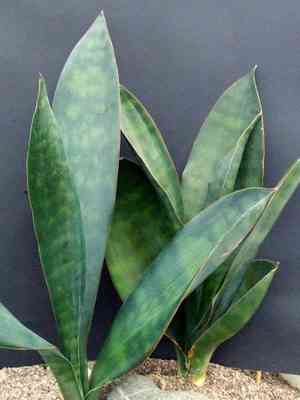
This resilient, enduring flora is renowned for its straightforward multiplication via separation. Cultivators ought to confidently detach the iguanatail's offshoots from the parent specimen, verifying that every fresh segment possesses sufficient root development. Replant these immediately into porous soil blends. Supplying ample, filtered illumination and limited hydration will foster vigorous development in the nascent iguanatail specimens.
Optimal Time for Iguanatail Propagation
Propagation Method
Splitting
Propagation Period
Spring,Autumn
Tools Required for Iguanatail Propagation
Sharp Knife or Garden Shears
These implements are crucial for making clean cuts through the iguanatail's root system during division. A keen edge ensures precise, neat cuts, minimizing root damage and plant stress. This fosters faster recovery and healthier regrowth after propagation.
Rooting Hormone Powder
While iguanatail typically roots well naturally, applying rooting hormone to fresh cut surfaces can boost root development. This is especially beneficial for ensuring the survival and strength of smaller divisions that might struggle to establish. Rooting hormone encourages quicker root growth, helping iguanatail divisions become independent plants sooner.
Potting Mix
A well-draining potting medium suitable for succulents is ideal for iguanatail. This type of mix prevents water accumulation around the roots, reducing the risk of root rot and fungal infections, common issues in poorly drained soils. Such conditions are vital for newly propagated divisions to flourish.
Pots or Containers
Suitable for transplanting iguanatail divisions, these should feature adequate drainage holes. The pot size should match the division's size to ensure the soil dries uniformly between waterings, which is critical for iguanatail's well-being.
Watering Can with a Fine Rose
This tool is important for gently irrigating new iguanatail divisions, ensuring even water distribution across the soil surface without disturbing newly planted cuttings. A fine rose attachment helps regulate water flow and mimics light rain, providing delicate hydration ideal for young plants.
How to Propagate Iguanatail?
Propagation Difficulty
Simple
Caring for Your Newly Propagated Iguanatail
Caring for Your Newly Propagated Iguanatail?
Post-propagation, position iguanatail in a spot receiving bright, indirect light. Allow the soil to dry between waterings, and ensure the pot has good drainage to prevent root rot. Iguanatail prefers warm temperatures and low to moderate humidity. Fertilize with a balanced, water-soluble fertilizer diluted to half strength monthly during the growing season. Monitor for pests like spider mites and treat as needed. With proper care, new divisions will soon establish and grow, enhancing your collection.
Common Propagation Errors to Avoid with Iguanatail
Excessive Watering
Overwatering is a frequent mistake when propagating iguanatail, leading to root rot and fungal diseases due to the plant's preference for drier conditions.
Using non-sterile tools
Employing unsterilized tools during propagation can introduce pathogens to cuttings or division points, significantly lowering successful propagation rates and potentially killing iguanatail.
Deep planting
Planting cuttings or divisions too deeply can cause iguanatail to develop rot at its base, hindering its ability to establish and grow healthy roots.
Tips For Propagating Iguanatail
Utilize clean, sharp tools
Ensuring tools are clean and sharp when making divisions prevents damage and disease, promoting faster healing and root development in iguanatail.
Appropriate soil mix
Using a well-draining, sandy soil mix helps prevent moisture retention around the roots, meeting iguanatail's need for drier growing conditions and improving root health.
Sufficient indirect light
Providing bright but indirect light supports robust growth after propagation by ensuring iguanatail has enough energy for root and shoot development without the risk of leaf scorching.



