How to Propagate Rosemary?
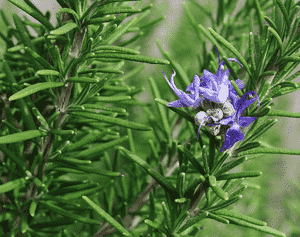
Rosemary exhibits its most favorable propagation characteristics in the Spring and Summer seasons. The favored technique, referred to as cuttings, presents a moderate level of challenge. Successful outcomes are indicated by fresh development and the emergence of buds. Maintain steady moisture levels to encourage root establishment.
Optimal Period for Rosemary Propagation
Propagation Method
Cuttings
Propagation Period
Spring, Summer
Tools Required for Rosemary Propagation
Sharp pruning shears
Crucial for making clean cuts from the parent rosemary plant without crushing or tearing stems, which could damage delicate tissues and impede root development. Sharp blades ensure rapid healing and reduce disease risk.
Rooting hormone
Applied to the severed end of a rosemary cutting, rooting hormone promotes quicker root formation and enhances the likelihood of successful propagation, especially beneficial as rosemary can be slow to root naturally.
Sterilizing agent (e.g., alcohol, bleach solution)
Used to sanitize pruning shears and other tools prior to cutting rosemary, to prevent the spread of diseases and pests during the propagation process, ensuring robust growth.
Propagation tray or small pots
Holds the rosemary cuttings in a stable environment with an appropriate growing medium, facilitating consistent moisture and temperature control essential for root development.
Well-draining potting mix or perlite and vermiculite mix
Provides the rosemary cuttings with a medium that retains sufficient moisture for root growth while preventing waterlogging, which could lead to rot.
Plastic covers or propagation domes
Creates a miniature greenhouse environment with high humidity around the rosemary cuttings, which is vital as rosemary tends to dry out before rooting.
Heat mat (optional)
Supplies bottom heat to the rosemary cuttings, which can accelerate root growth, particularly advantageous in cooler climates or during colder times of the year when rosemary may struggle to root.
Steps to Propagate Rosemary
Propagation Method
Cuttings
Difficulty Level
Moderately Challenging
Caring for Your Newly Propagated Rosemary
Caring for Your Newly Propagated Rosemary
Post-propagation, ensure rosemary is situated in an area receiving full sun to partial shade. Water the plant thoroughly when the soil feels dry to the touch. Avoid excessive watering as rosemary does not tolerate standing water. Prune regularly to encourage denser growth and improved air circulation. Fertilize rosemary with a balanced, slow-release fertilizer in early spring. Monitor for pests and diseases, especially spider mites and powdery mildew, and address any issues promptly.
Common Errors to Avoid During Rosemary Propagation
Overwatering cuttings
Moisture is vital for cuttings to root, but too much can cause root rot. Overwatering rosemary cuttings creates a damp environment conducive to fungal growth, which can destroy delicate new roots before they fully develop.
Using non-sterile tools
Propagation involves cutting and handling delicate rosemary tissues. Non-sterile tools can introduce pathogens to these open wounds, increasing the risk of infections that can be detrimental to the plant's health.
Neglecting to remove lower leaves
Leaving lower leaves on rosemary stem cuttings can cause them to be submerged in the rooting medium, leading to rot or fungal infections that can kill the cutting before it roots.
Ignoring humidity requirements
Rosemary cuttings need a humid environment to prevent desiccation; however, excessive humidity can promote mold growth. Gardeners often overlook the balance required to provide optimal humidity levels.
Using the wrong type of cutting
Different parts of rosemary may root at varying rates. Selecting the incorrect type of cutting, such as too woody or too green, can impact the success of rooting.
Tips For Propagating Rosemary
Properly timed cutting
Take semi-hardwood cuttings from rosemary, where the stem is neither too soft nor too hard. This part of the plant offers the best balance of growth potential and survivability.
Adequate cutting size
Prepare cuttings that are approximately 3-4 inches long with several leaf nodes. This size is ideal for rosemary's rooting and early growth without overly taxing the cuttingâs energy reserves.
Rooting hormone use
Apply a rooting hormone to the cut end of rosemary cuttings to stimulate root development and give the cutting a better chance of establishing itself.
Well-draining medium
Utilize a well-draining medium, such as sand or perlite mixed with peat, to promote aeration and prevent waterlogging, which is crucial for the health of rosemary's new roots.
Maintenance of proper environment
Ensure rosemary cuttings are kept in a warm environment with indirect light. This mimics their natural conditions and promotes healthier root and foliage growth.



