How to Propagate Baby sage?
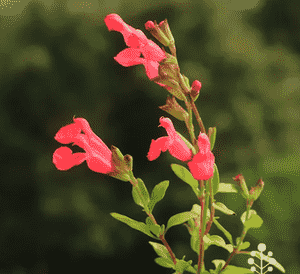
Salvia microphylla, frequently known as Baby sage, is most effectively propagated via stem sections during the spring and summer seasons. This process presents a moderate level of challenge, with successful outcomes indicated by the emergence of roots and fresh foliage. Ensure the cuttings remain damp and adequately drained for the most favorable results.
When Is the Optimal Time to Propagate Baby Sage?
Propagation Method
Cutting
Propagation Period
Spring, Summer
What Equipment Is Used in Baby Sage Propagation?
Pruning Shears
These are utilized to obtain cuttings from baby sage with accuracy and minimal harm. Sharp, clean blades guarantee a precise cut, which is less prone to infection and promotes quicker healing and rooting.
Rooting Hormone
This encourages root formation in baby sage cuttings. It contains synthetic auxins that mimic natural plant hormones, enhancing root growth and boosting the propagation success rate.
Sterile Potting Mix
A clean, well-draining substrate offers the ideal environment for baby sage cuttings to develop roots. It lowers the risk of soil-borne diseases that could impact delicate new roots.
Pots or Trays
These containers are employed for planting the cuttings. Ensuring they possess adequate drainage holes is crucial to prevent waterlogging, which can cause rot in baby sage cuttings.
Plastic Bags or Covers
Establishing a greenhouse-like atmosphere with elevated humidity around baby sage cuttings aids in preventing moisture loss and can enhance rooting success.
Heat Mat
Supplying consistent and sufficient warmth can stimulate rooting in baby sage cuttings, particularly during colder months or in cooler climates.
Watering Can or Misting Bottle
Gentle watering or misting keeps the soil for baby sage cuttings damp without causing erosion or displacement of the cutting, which is vital for root establishment.
How to Propagate Baby Sage?
Propagation Method
Cutting
Difficulty Level
Easy
How to Nurture Your Newly Propagated Baby Sage?
How to Nurture Your Newly Propagated Baby Sage?
Post-propagation, ensure baby sage is situated in a sunny location with well-draining soil. Water consistently, allowing the soil to slightly dry between waterings. Fertilize baby sage with a balanced feed during its active growth phase. Shield baby sage from frost and trim back in late winter to early spring to encourage dense growth.
Common Errors to Avoid When Propagating Baby Sage
Excessive watering of cuttings
Too much moisture can lead to decay in the developing roots of baby sage. Maintaining saturated soil conditions not only hinders root growth but also increases the likelihood of fungal infections, which can be fatal to the cuttings.
Using unsterilized tools
When taking cuttings of baby sage, employing tools that are not sterile can introduce pathogens to the cuttings. This error might cause infections that can impede root development and potentially kill the propagation material.
Disregarding node placement
Nodes are the points on the stem where leaves emerge, and roots tend to sprout from these areas. If cuttings are made without including nodes, or if the nodes are damaged during the cutting process, it may result in failed root development for baby sage.
Neglecting humidity
Baby sage cuttings require a specific level of humidity to successfully take root. Ignoring the need to maintain a moist environment can lead to the dehydration of the cuttings before they have a chance to root.
Planting cuttings too deep
Baby sage requires proper positioning in the growing medium. Cuttings planted too deeply may suffocate due to insufficient air and fail to root. Conversely, very shallow planting might not offer enough support for cuttings.
Tips For Propagating Baby Sage
Application of rooting hormone
Applying a rooting hormone to the severed end of baby sage cuttings can significantly boost the chances of successful rooting by stimulating root growth and helping to prevent decay.
Provide indirect light
Baby sage cuttings benefit from bright but diffused light during the rooting process. Direct sunlight can overheat and stress the cuttings before they have established roots, leading to failure.
Optimal cutting selection
Choosing healthy, non-flowering stems for cuttings will promote superior root development for baby sage. Flowering stems expend more energy on bloom production, which should instead be directed towards rooting.
Maintaining appropriate moisture levels
The soil or medium in which baby sage cuttings are placed should be consistently damp, but not waterlogged. This balance prevents root rot while providing the necessary hydration for root development.
Creating a mini-greenhouse
Enclosing baby sage cuttings under a clear plastic cover or in a mini-greenhouse can help maintain high humidity levels, which are essential for encouraging root formation.



