How to Propagate Purple sage?
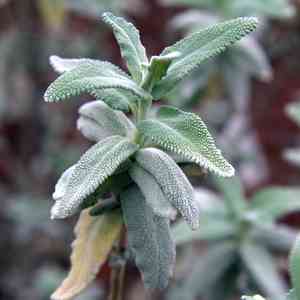
Originating in California, Salvia leucophylla is a robust perennial bush recognized for its fragrant foliage and attractive blossoms. For propagation, utilize robust, non-blooming sections for optimal outcomes. Cut the sections to encompass multiple leaf junctions and a neat basal incision. Submerge the base in rooting compound to encourage development. Place in porous soil enhanced with organic material to foster root formation. Steady hydration and warmth will further assist the rooting procedure, and guaranteeing adequate air movement for the cuttings can help avert fungal infections.
Optimal Period for Purple Sage Propagation
Propagation Method
Cuttings
Propagation Period
Spring,Summer
Tools Required for Purple Sage Propagation
Sharp pruning shears
These are crucial for making clean cuts from the parent purple sage plant during the cutting process. Sharp blades minimize damage to plant tissues, improving the likelihood of successful rooting. Precise cuts help prevent disease and stress, promoting healthier initial growth.
Rooting hormone
This compound is used to encourage root development from purple sage cuttings. Applying rooting hormone to the cut stem end helps accelerate root formation, which is vital for cuttings that don't root easily. This boosts the success rate of propagation by enhancing stability and growth.
Sterilizing solution
Used to sanitize cutting tools before propagation. Sterilizing tools helps prevent disease transmission to purple sage cuttings. This is essential for maintaining the overall health of the cuttings and ensuring the propagation process isn't compromised by infections.
Propagation trays
Shallow containers suitable for arranging and holding purple sage cuttings. These trays help keep cuttings upright and provide ample space for growth. They are typically used with a sterile, well-draining growing medium that supports root development without retaining excess water, which could lead to rot.
Humidity dome
Fits over propagation trays to retain moisture and create a greenhouse-like environment. This maintains high humidity levels around purple sage cuttings, preventing them from drying out before roots develop. The controlled environment also aids in temperature stability, crucial for the rooting process.
Heat mat
Provides a steady heat source beneath propagation trays, important for promoting optimal root growth in purple sage. Temperature control is critical in early cutting propagation stages, and a heat mat ensures ideal soil temperature, facilitating quicker and more effective root development.
How to Propagate Purple Sage?
Propagation Type
Moderately Difficult
Caring for Your Newly Propagated Purple Sage
Caring for Your Newly Propagated Purple Sage
Once purple sage cuttings have rooted and show new growth, gradually acclimate them to normal outdoor conditions. Transplant them into larger containers or a prepared garden bed, ensuring well-draining soil and a location with full sun to light shade. Water young plants regularly until established, and prune in early spring to encourage bushy growth. Purple sage is drought-tolerant once established, but regular watering during dry periods promotes healthier plants.
Common Errors to Avoid When Propagating Purple Sage
Overwatering
Excessive water can cause root rot, which is harmful to purple sage cuttings or seedlings, hindering their ability to root and grow healthily.
Poor cutting selection
Choosing weak or diseased cuttings can lead to failed propagation as these cuttings may lack the vigor to develop roots and grow.
Using unsterilized tools
This can introduce pathogens to purple sage, leading to infections that can impede growth or even kill the plant.
Incorrect planting depth
Planting purple sage cuttings or seeds too deep can prevent sufficient light and air, while too shallow planting may not provide adequate support.
Neglecting to harden off
Failure to acclimate purple sage to outdoor conditions before planting can cause shock, making them less likely to survive.
Advice for Propagating Purple Sage
Appropriate medium
Use a well-draining soil mix for purple sage to prevent waterlogging and encourage healthy root development.
Healing cuttings
Allow the cut ends of purple sage cuttings to form a callus for a few days before planting to reduce the risk of rotting.
Correct planting depth
Plant purple sage seeds or cuttings at the right depth to ensure proper anchorage and access to light, aiding successful growth.
Consistent moisture
Keep the soil of purple sage consistently moist but not waterlogged to support the development of new roots.
Use of rooting hormone
Applying a rooting hormone to purple sage cuttings can stimulate root growth, increasing the chances of successful propagation.



