How to Propagate Purple willow?
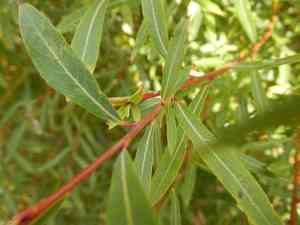
Salix purpurea is most effectively propagated in the fall or winter using techniques like cuttings and layering. This species presents a moderate challenge for propagation. Indicators of successful propagation include the emergence of fresh shoots. Maintain appropriate humidity levels for the best outcomes.
Optimal Time for Purple Willow Propagation
Propagation Method
Cutting
Propagation Period
Autumn,Winter
Tools Required for Purple Willow Propagation
Pruning Shears
Pruning shears are vital for obtaining cuttings from purple willow. Their sharp blades ensure clean cuts, minimizing harm to the parent plant and boosting the likelihood of successful rooting. Precise cuts are essential as they heal quicker and are less susceptible to disease, which is critical during the delicate initial stages of purple willow's propagation.
Rooting Hormone
Rooting hormone is utilized to stimulate root development from purple willow cuttings. This product, typically in gel or powder form, contains compounds that mimic natural growth hormones, fostering faster root formation and increasing propagation success rates. Applying rooting hormone to the cut end of a cutting before planting can significantly improve the chances of successful rooting.
Propagation Trays
Propagation trays offer a controlled setting for purple willow cuttings to establish roots. These trays are designed to hold cuttings and maintain adequate moisture levels while allowing excess water to drain, thereby reducing the risk of rot. They also aid in organizing the propagation process, simplifying the management of numerous cuttings simultaneously.
Perlite or Vermiculite
Perlite or vermiculite are incorporated into the potting mix to enhance drainage and aeration, which are crucial for the successful rooting of purple willow cuttings. They prevent soil compaction, enabling delicate new roots to grow more easily. Their moisture-retentive properties also help maintain consistent moisture around the cuttings, reducing the risk of desiccation.
Misting Bottle
A misting bottle is employed to provide purple willow cuttings with the necessary humidity to encourage rooting. Regular misting helps keep the leaves moist, aiding in the prevention of water loss through transpiration and creating an optimal microclimate for root initiation and growth.
Heating Mats
Heating mats supply gentle warmth to the base of the propagation tray, promoting root growth in purple willow cuttings. Consistent bottom heat mimics natural conditions that roots would encounter in the soil during warmer seasons, encouraging quicker and stronger root development.
Post-Propagation Care for Purple Willow
Post-Propagation Care for Purple Willow
Once purple willow cuttings have rooted and exhibit new growth, gradually acclimate the plants by exposing them to the outdoor environment. This process should take approximately one week to harden them off. Afterward, plant the purple willow in their permanent location, ensuring ample space for growth. Maintain consistent watering and monitor for any signs of pests or diseases. As purple willow are adaptable, annual pruning is recommended to maintain the desired shape and encourage vigorous growth.
Common Errors to Avoid When Propagating Purple Willow
Neglecting cutting vitality
Selecting cuttings that are unhealthy or originate from a weak part of purple willow can result in poor rooting success. Weak cuttings may lack the necessary vigor or resources to establish new roots.
Incorrect cutting dimensions
Taking cuttings that are either too short or too long can impact rooting efficiency. Short cuttings might not possess enough nodes, while excessively long ones could struggle to support themselves during the rooting process.
Improper moisture levels
Maintaining incorrect soil moisture can cause cuttings to rot or dry out. Excessive moisture leads to decay, whereas insufficient moisture prevents root formation.
Poor hygiene practices
Using unclean tools or contaminated soil can introduce pests or diseases to the cuttings, impeding successful propagation.
Excessive hormone application
Applying too much rooting hormone can hinder root growth and damage the cuttings instead of promoting healthy root development.
Advice for Propagating Purple Willow
Choose robust cuttings
Select healthy, vigorous cuttings from a strong part of purple willow. These cuttings should have a high probability of rooting successfully and developing into healthy plants.
Optimal cutting length
Ensure cuttings are of an ideal length, typically between 6 to 10 inches, with several nodes present. This provides a balance between sustenance and the ability to establish roots.
Maintain appropriate moisture
Keep the soil consistently moist but not waterlogged. Proper moisture levels are crucial for root development without the risk of rotting.
Sanitize equipment
Always use clean, sterilized tools and fresh, disease-free soil when taking cuttings to minimize the risk of infection or pests.
Rooting hormone application
Apply an appropriate amount of rooting hormone to the cut end of the cutting, following instructions carefully to avoid damaging the tissue and to support healthy root growth.



