How to Propagate Rue?
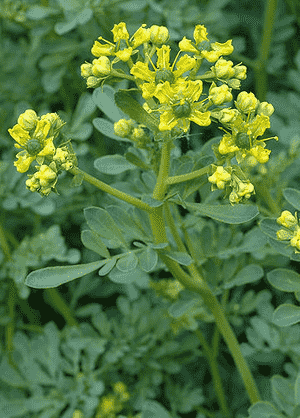
Ruta graveolens is most effectively propagated in the Spring and Summer seasons via cuttings. Typically straightforward to propagate, the emergence of new foliage indicates successful development. Provide a growing medium with good drainage and ample sunlight for the best outcomes.
Optimal Time for Rue Propagation
Propagation Method
Cutting
Propagation Period
Spring, Summer
Tools Required for Rue Propagation
Sharp pruning shears or scissors
Essential for obtaining clean, precise cuts from rue. A sharp incision prevents harm to the parent plant and boosts the likelihood of successful rooting in cuttings.
Rooting hormone powder or gel
Applied to the severed end of a rue cutting to stimulate root growth. This enhances the success rate of cuttings by promoting root development at the application site.
Sterile potting mix
Offers a clean, disease-free environment for rue cuttings to establish roots. A well-draining mixture prevents root decay and supports robust root development.
Small pots or propagation trays
Serves as a vessel for rue propagation. Appropriate sizing allows for adequate root growth without overcrowding. Drainage holes are crucial to prevent waterlogging.
Plastic wrap or humidity dome
Maintains a high moisture environment around rue cuttings, vital for preventing water loss while the cuttings are developing roots.
Misting bottle
Used to gently moisten the rue cuttings without disturbing the soil or rooting hormone. Consistent hydration is critical for cutting survival, but excessive watering must be avoided.
Steps to Propagate Rue
Propagation Method
Cutting
Difficulty Level
Easy
Post-Propagation Care for Your Rue
Post-Propagation Care for Your Rue
Once rue has developed a robust root system after propagation, transfer it to an appropriate spot in your garden or a larger container. Rue thrives in full sun to partial shade and well-drained soil. Water it regularly, especially during dry periods, but avoid overwatering as it is drought-tolerant once established. Prune rue in the spring to encourage denser growth and remove any damaged or dead stems. Fertilize with a general-purpose feed in the spring. Monitor for common pests and treat as needed, avoiding harsh chemicals, as rue is sensitive to certain synthetic substances.
Common Errors to Avoid When Propagating Rue
Overwatering
Excessive moisture can lead to root rot and fungal infections, jeopardizing rue's chances of successful root development during propagation.
Deep planting
Planting rue cuttings too deeply can cause them to decay before they establish roots. This hinders the cutting's ability to absorb nutrients and water effectively.
Ignoring hygiene
Failing to sterilize tools or using contaminated soil can introduce pathogens to rue cuttings, impeding their growth and potentially killing the young plants.
Neglecting cutting selection
Choosing weak or diseased rue cuttings reduces the likelihood of propagation success, as the plant material may lack the vitality to grow.
Advice for Propagating Rue
Rooting hormone use
Applying a rooting hormone to the cut end of rue cuttings can promote quicker and more dependable root formation.
Well-draining soil
Utilizing a well-draining soil mix for rue cuttings helps prevent overwatering issues by allowing excess water to escape, fostering a healthy root environment.
Proper cutting length
Taking cuttings that are approximately 3-6 inches long ensures that rue cuttings have sufficient leaf surface for photosynthesis while not being too large to support during initial growth.
Indirect sunlight
Providing rue cuttings with indirect sunlight avoids the stress of intense direct light while still offering enough illumination for photosynthesis to occur during the rooting process.



