How to Propagate Purple-flowering raspberry?
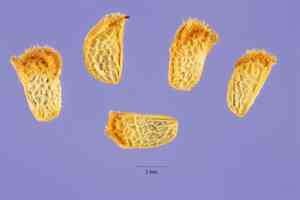
Purple-flowering raspberry multiplies efficiently via cutting and layering methods, with the highest success rates typically observed in the fall and winter periods. This species is quite straightforward to propagate, and fresh development is marked by the appearance of delicate stems and foliage.
Optimal Time for Propagating Purple-flowering Raspberry
Propagation Method
Cutting
Propagation Period
Autumn,Winter
Tools Required for Purple-flowering Raspberry Propagation
Sharp Pruning Shears
Pruning shears are vital for obtaining cuttings, ensuring clean cuts that minimize harm to the parent plant and lessen the chance of infection on purple-flowering raspberry. Their keen blades can precisely snip softwood or semi-hardwood stems for propagation.
Rooting Hormone
Rooting hormone encourages swift root formation and boosts the likelihood of successful cuttings by stimulating root growth at the cut site. Applying rooting hormone to the base of purple-flowering raspberry cuttings can significantly enhance establishment rates.
Sterile Potting Mix
A sterile potting mix is essential for providing a disease-free environment conducive to root development. It should be well-draining and light to encourage the delicate roots of purple-flowering raspberry to grow without the risk of rot or illness.
Propagation Tray with Dome
This creates a regulated humidity environment, which is beneficial for purple-flowering raspberry cuttings to prevent excessive moisture loss while rooting. The transparent dome allows for light penetration and easy monitoring of moisture levels.
Heat Mat
A heat mat gently warms the soil, promoting root development during the propagation of purple-flowering raspberry. Consistent bottom heat can greatly improve rooting success, especially in cooler environments or seasons.
Misting Bottle
A misting bottle is used to lightly dampen the leaves and surface of the potting mix, providing the necessary humidity for purple-flowering raspberry cuttings without overwatering, which could lead to fungal growth or stem rot.
Trowel
A trowel is necessary for filling the propagation tray with potting mix and for transplanting the rooted purple-flowering raspberry cuttings into larger containers or garden beds with minimal disruption to the new root system.
Post-Propagation Care for Your Purple-flowering Raspberry
Post-Propagation Care for Your Purple-flowering Raspberry
Following propagation, continue to provide purple-flowering raspberry with conditions that mimic its natural habitat. Position the plant in partial shade, as purple-flowering raspberry prefers filtered sunlight. Water it regularly to keep the soil moist, but avoid excessive watering to prevent root rot. Fertilize purple-flowering raspberry with a balanced feed during the growing season. Prune the plant periodically to maintain its form and to encourage healthy growth, removing any dead or diseased wood. Monitor for pests and diseases, and address them promptly if they appear. With proper care, purple-flowering raspberry will develop into a robust plant that enhances your garden with its distinctive purple blooms.
Common Errors to Avoid When Propagating Purple-flowering Raspberry
Overwatering
Excessive watering of purple-flowering raspberry after propagation can lead to root rot and fungal diseases, which harms the delicate new roots and reduces the plant's chances of successful establishment.
Deep planting
Planting purple-flowering raspberry cuttings too deeply can hinder proper aeration, impeding root development and potentially leading to stem decay.
Ignoring humidity requirements
Purple-flowering raspberry cuttings need a humid environment to root successfully, and failing to provide adequate humidity can cause the cutting to dry out and fail to root.
Using dull tools
Propagating purple-flowering raspberry with blunt tools can damage the parent plant and the cuttings, causing stress that may reduce propagation success and increase susceptibility to disease.
Neglecting plant health
Taking cuttings from unhealthy purple-flowering raspberry specimens can result in poor propagation outcomes as unhealthy plants often produce less vigorous and disease-prone offspring.
Tips For Propagating Purple-flowering Raspberry
Proper cutting timing
Taking cuttings during a period of active growth ensures that purple-flowering raspberry has the energy and resources needed for successful root development.
Appropriate soil mix
Using a well-draining soil mix is essential for purple-flowering raspberry propagation to encourage root growth while preventing waterlogging and associated diseases.
Humidity control
Maintaining a humid environment, for example, with a plastic cover over the cuttings, helps prevent desiccation of purple-flowering raspberry and promotes rooting.
Sterile equipment
Use of sterilized pruning tools when taking cuttings of purple-flowering raspberry prevents the transmission of diseases and ensures clean cuts that heal quickly.
Light conditions
Providing purple-flowering raspberry cuttings with bright, indirect light encourages robust growth without the risk of scorching delicate new foliage.



