How to Propagate Red raspberry?
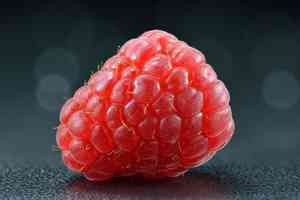
The most effective period for propagating red raspberries is in the Fall and Winter, employing methods such as Cuttings and Layering. This process presents a moderate challenge, with indicators of success being fresh shoots and vibrant foliage. Consistent irrigation and a soil mixture that drains efficiently are crucial.
Optimal Period for Red Raspberry Propagation
Propagation Method
Cutting
Propagation Period
Autumn,Winter
Tools Required for Red Raspberry Propagation
Sharp pruning shears
These are utilized to obtain clean, precise cuttings from mature red raspberry canes. A keen blade ensures a smooth cut, promoting faster healing and minimizing disease risk.
Rooting hormone powder or gel
This assists in the formation of new roots from red raspberry cuttings. The rooting hormone stimulates root growth, boosting the likelihood of successful propagation.
Clean pots or trays
These function as receptacles for holding cuttings while they develop roots. Cleanliness is essential to prevent any disease transmission to the new plants.
Sterile potting mix
A soilless potting medium offers red raspberry cuttings a sterile, pathogen-free environment. This substrate also retains moisture, which is vital for root development.
Plant labels and marker
Labels are critical for tracking various cuttings and their progress. They aid in maintaining organized propagation efforts, especially with multiple red raspberry varieties.
Watering can or misting bottle
These implements ensure the delicate moisture equilibrium necessary for red raspberry cuttings to root correctly. Misting helps sustain high humidity around cuttings without over-saturating the soil.
Plastic cover or mini greenhouse
Maintaining elevated humidity around red raspberry cuttings is crucial for their success. A cover traps environmental moisture, creating a greenhouse effect that encourages rooting.
Heating mat (optional)
A heating mat can be beneficial for providing bottom warmth, which accelerates root development in red raspberry cuttings, particularly in cooler climates or during colder months.
Post-Propagation Care for Your Red Raspberry
Post-Propagation Care for Your Red Raspberry
Red raspberry necessitates a trellising system for support as it matures. Ensure consistent watering, especially during fruiting seasons, and apply a mulch layer to retain soil moisture and suppress weeds. Prune dead canes and thin plants during dormancy to enhance airflow and prevent disease. Fertilize red raspberry in early spring with a balanced fertilizer to encourage robust growth and fruit yield.
Common Errors to Avoid When Propagating Red Raspberry
Allowing cuttings to dehydrate
If cuttings are permitted to dry out before or during rooting, it can lead to water stress and inadequate root development, potentially causing the propagation attempt to fail.
Poor cutting selection
Utilizing weak, diseased, or non-viable red raspberry parts for propagation can result in poor plant growth or complete propagation failure, as the cuttings lack the necessary vigor to establish new roots.
Neglecting pest and disease management
Failing to inspect for and control pests and diseases during propagation can lead to the spread of infestations and infections, compromising the health and success of propagated red raspberry plants.
Over-watering cuttings
Excessive irrigation can lead to cutting rot or fungal growth, which could destroy the cuttings before they have a chance to root and grow.
Crowding containers
Placing too many cuttings in a single container can result in competition for resources and hinder proper air circulation, potentially leading to poor rooting or disease spread.
Advice for Propagating Red Raspberry
Utilize healthy parent plants
Selecting vigorous and disease-free red raspberry specimens for cuttings ensures a higher success rate, as the cuttings will possess the vitality needed to establish new growth.
Maintain appropriate humidity
Sustaining a high humidity environment around red raspberry cuttings is vital for successful root development, as it prevents moisture loss and fosters a supportive atmosphere for rooting.
Prepare cuttings correctly
Ensuring red raspberry cuttings have at least two nodes and are taken at a 45-degree angle can increase the surface area for root growth and improve the chances of successful propagation.
Use sterile equipment
Sterilizing cutting tools before use on red raspberry prevents the transmission of diseases between plants and helps protect vulnerable cuttings from infections.
Provide indirect light
Offering red raspberry cuttings diffused natural light or shielded grow lights supports photosynthesis without exposing the delicate new plants to the stress of direct sunlight, which can cause desiccation and damage.



