How to Propagate Dwarf rotala?
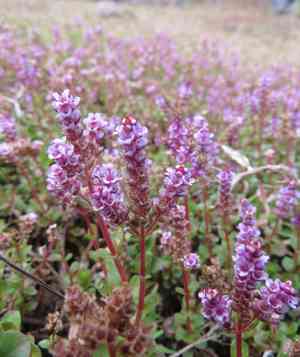
Dwarf rotala flourishes with proper propagation, mainly through stem cutting methods. For robust root development, employ sharp scissors to snip directly beneath a node. It is advisable to propagate in fertile, well-ventilated growing mediums to foster quick development. Guarantee the surroundings retain steady dampness and shield from direct sun exposure during the initial rooting period to lessen strain on the fresh cuttings.
When Is the Optimal Time to Propagate Dwarf Rotala?
Propagation Method
Seeding
Propagation Period
Spring
What Tools Are Utilized for Dwarf Rotala Propagation?
Aquatic Plant Scissors
These elongated, sharp scissors are perfect for trimming dwarf rotala, allowing for precise cuts without harming the delicate stems. The keen blades ensure clean cuts that encourage quicker healing and lessen the chance of disease. They are especially useful for cutting dwarf rotala at the desired point for propagation, aiding in the efficient preparation of cuttings for replanting.
Tweezers
Long, slender tweezers are vital for handling and positioning dwarf rotala cuttings within an aquarium's substrate. This tool helps minimize plant stress and physical damage during planting, which is crucial for the fragile stems of dwarf rotala. Tweezers enable accurate placement, ensuring cuttings have ample space and depth for optimal root development.
Substrate
A nutrient-rich substrate is key to the successful establishment of dwarf rotala cuttings. It supports strong root growth and supplies essential nutrients, which are vital for young plants developing from cuttings. Suitable substrates include fine gravel or specialized aquatic plant soil, which retains nutrients and securely anchors the plant.
Rooting Hormone
While not always essential for dwarf rotala, using a rooting hormone can boost rooting success, particularly for weaker or smaller cuttings. This hormone stimulates root development at the cutting site, promoting faster establishment and shortening the propagation timeframe. It is especially beneficial for ensuring the viability of each segment of dwarf rotala.
Propagation Tank
A separate, smaller tank for propagating dwarf rotala can be advantageous. It allows for closer monitoring and control of environmental conditions such as light, temperature, and nutrients. This controlled environment can be specifically tailored to promote the rooting and initial growth phases of dwarf rotala, significantly improving survival and growth rates.
How to Propagate Dwarf Rotala?
Propagation Difficulty
Easy
How to Care for Your Newly Propagated Dwarf Rotala?
How to Care for Your Newly Propagated Dwarf Rotala?
Once dwarf rotala has rooted, transfer it to a permanent aquatic or semi-aquatic setup as appropriate. Provide moderate illumination and regular fertilization designed for aquatic plants to encourage healthy growth and vibrant coloration. Avoid sudden changes in water conditions to reduce stress on the newly propagated plants.
Common Mistakes to Avoid When Propagating Dwarf Rotala
Overcrowding cuttings
Placing too many dwarf rotala cuttings in a single container can hinder proper air circulation and light penetration, leading to mold growth and poor root development. This can severely impede the overall growth and health of the plant.
Cutting too short
When propagating dwarf rotala, cutting too short a stem, especially less than 2-3 inches, can result in insufficient leaf nodes, which are crucial for new root formation. This can halt the propagation process or cause the cutting to not root at all.
Ignoring water quality
Using tap water that is high in chlorine or other chemicals can be detrimental to dwarf rotala cuttings, as it might prevent successful rooting or harm the delicate cuttings. Soft, chlorine-free water is essential for the plant's health during propagation.
Tips For Propagating Dwarf Rotala
Stem selection
Choose healthy, robust stems for propagation of dwarf rotala. Look for stems that are vibrant and have multiple leaf nodes, as these are critical for generating new roots and ensuring a successful propagation.
Use of hormones
Applying a rooting hormone to the cut ends of dwarf rotala stems can significantly increase the chances of successful root development. This promotes healthier, quicker root growth, enhancing the overall propagation success.
Proper trimming
Before placing the dwarf rotala cuttings in water or substrate, make sure to properly trim the stem just below a leaf node and remove any leaves that might end up submerged. This prevents rot and encourages healthier root growth from the node.



