How to Propagate Lowland rotala?
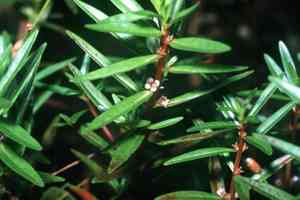
Lowland rotala thrives when propagated using a particular method: seeding. To achieve the best growth, utilize a finely textured, permeable soil and ensure continuous dampness without oversaturation. The crucial element for success is supplying ample, diffused illumination, which aids in the proper rooting of young plants. Consistent, delicate attention during the initial phases of development guarantees strong growth.
What Is the Best Time To Propagate Lowland Rotala?
Propagation Type
Sowing
Propagation Season
Spring
What Tools Are Used in Lowland Rotala Propagation?
Seed Trays
Seed trays are vital for propagating lowland rotala via sowing. They offer a controlled setting for seed germination, enabling the distribution of numerous seeds in a compact area. These trays help maintain consistent soil moisture and temperature, both critical for lowland rotala germination. Their shallow depth is perfect for the small seeds of lowland rotala, ensuring they aren't buried too deeply and can sprout effectively.
Fine-Textured Seed Starting Mix
A fine-textured seed starting mix is essential for lowland rotala, ensuring tiny seeds stay near the surface and have good moisture contact. This soil type promotes proper drainage and aeration, lowering the risk of fungus or disease affecting germination. Its light texture allows for easy emergence of delicate lowland rotala seedlings.
Spray Bottle
A spray bottle allows for gentle watering that doesn't disturb lowland rotala seeds. Overwatering or a strong water flow can push seeds too deep, hindering sprouting. The spray bottle helps keep the soil moist but not waterlogged, creating ideal conditions for seedling growth.
Heat Mat
A heat mat is especially useful when propagating lowland rotala in cooler climates or during colder times of the year, as it helps maintain a steady soil temperature. Consistent warmth is crucial for improving germination rates and speed for lowland rotala, fostering strong early development.
Grow Lights
If natural light conditions are insufficient, grow lights can provide the necessary light spectrum for lowland rotala seedlings. These lights ensure uniform illumination, which is vital for preventing leggy growth and promoting robust, healthy development.
How to Propagate Lowland Rotala?
Propagation Type
Easy
How to Care for Your Newly Propagated Lowland Rotala?
How to Care for Your Newly Propagated Lowland Rotala?
After germination, gradually introduce seedlings to more direct light. Transplant them into individual containers once they develop a few true leaves. Keep the soil consistently moist but avoid saturation. Regularly check for and address any pest or disease issues. Ensure plants receive adequate sunlight and maintain high humidity for healthy growth.
Common Mistakes to Avoid When Propagating Lowland Rotala
Overwatering
Excessive water can lead to root rot and fungal growth, hindering lowland rotala propagation and potentially killing the cutting or seedling.
Inadequate light
Insufficient illumination can result in weak, elongated growth and impede the development of robust, healthy new lowland rotala plants.
Using non-sterile tools
Contaminated tools can introduce pathogens to lowland rotala cuttings or seed beds, significantly reducing propagation success.
Excessive handling
Frequent manipulation of lowland rotala during propagation can damage delicate tissues, reducing the chances of successful rooting and growth.
Tips For Propagating Lowland Rotala
Moderate watering
Maintain consistently moist soil conditions without overwatering to support healthy root development in lowland rotala.
Bright, indirect sunlight
Provide ample but indirect light to encourage vigorous and healthy growth of lowland rotala.
Use of sterile tools
Always use clean and sterilized tools when cutting or handling lowland rotala to prevent the spread of disease.
Stable environment
Keep lowland rotala in a stable environment with consistent humidity and temperature to support effective rooting and growth.



