How to Propagate Indian toothcup?
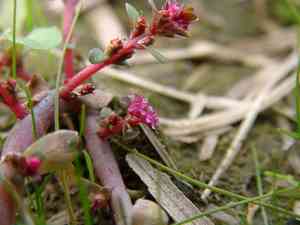
Indian toothcup flourishes when reproduced by planting its seeds. To achieve the best development, make sure the seeds are spread uniformly across a substrate that drains effectively. Sustaining humidity is vital for successful seed sprouting, thus frequent spraying is advisable. Offer sufficient illumination, yet steer clear of direct sun exposure, which can impede the progress of tender young plants. Relocate the young plants to their permanent cultivation areas once they have gained enough strength to withstand the move.
Optimal Time for Indian Toothcup Propagation
Propagation Method
Seeding
Propagation Period
Spring
Essential Tools for Indian Toothcup Propagation
Seed trays
Seed trays are perfect for the sowing technique employed for indian toothcup. They enable cultivators to manage numerous seeds within a confined space, offering consistent conditions for sprouting. Their shallow depth and drainage holes maintain ideal moisture levels, crucial for successful indian toothcup germination.
Fine-grained soil mix
A fine-grained soil blend helps the tiny indian toothcup seeds make good contact with the soil, which is vital for efficient moisture transfer and seed sprouting. This type of mix often includes vermiculite or perlite, enhancing aeration, fostering healthier root growth, and preventing waterlogging.
Misting spray bottle
A misting spray bottle is used to gently water indian toothcup seeds without dislodging them. The fine mist provides a delicate water supply, keeping the soil damp, which is necessary for seed germination, while avoiding excess water that could cause fungal issues or seed rot.
Heating mat
For indian toothcup, which may need a warm environment for optimal development, a heating mat can be placed beneath seed trays to maintain a steady soil temperature. This promotes quicker and more uniform seed germination, essential for a strong start in the plant's life cycle.
Grow lights
Grow lights are beneficial if natural light conditions are insufficient. They provide the necessary light spectrum for indian toothcup seedlings to photosynthesize, encouraging robust growth and preventing etiolation, which can weaken the plant in its early stages.
How to Propagate Indian Toothcup?
Propagation Type
Simple
Caring for Your Newly Propagated Indian Toothcup
Caring for Your Newly Propagated Indian Toothcup
Following successful propagation and as indian toothcup seedlings mature, gradually introduce them to typical garden conditions if planting outdoors, or suitable aquarium environments if establishing in an aquatic setting. Keep the plants in an area with partial to full sunlight and shield them from extreme temperatures. Continue to ensure the soil remains moist but not waterlogged. Regular inspection for pests and diseases is important. Fertilize sparingly during the growing season to support vigorous growth.
Frequent Errors to Avoid When Propagating Indian Toothcup
Overwatering
Watering indian toothcup too often can lead to root rot and fungal infections. This error compromises the plant's root health, making it difficult for indian toothcup to absorb nutrients effectively.
Insufficient lighting
Indian toothcup requires bright, indirect light to flourish. Inadequate lighting can result in leggy growth and weaken the plant's overall health, hindering its ability to produce healthy offspring.
Ignoring humidity requirements
Indian toothcup thrives in environments with higher humidity. Failing to maintain adequate humidity can cause the plant to dry out, leading to stressed plants that are less likely to propagate successfully.
Advice for Propagating Indian Toothcup
Stem cutting in water
Utilize healthy, non-flowering stems for propagation. Cut just below a node and place in water until roots emerge. This method allows you to observe root development and ensures a higher success rate for healthy indian toothcup propagation.
Use of rooting hormones
Applying a small amount of rooting hormone to the cut end of the stem can significantly enhance the rooting success of indian toothcup. This encourages faster and healthier root development.
Regular pruning
Regularly trimming indian toothcup promotes bushier growth and provides more material for propagation. It also keeps the plant healthy by removing potentially weak or diseased parts.



