How to Propagate Nippon lily?
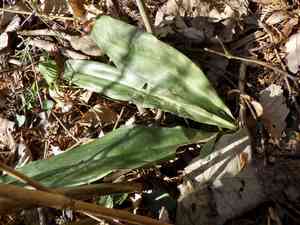
Nippon lily multiplies well via separation. For optimal development, split the root mass when repotting. Gently detach the plant's underground stems, making sure every piece retains some roots. Immediately replant in soil that drains efficiently, providing steady hydration and dappled light to foster recuperation and fresh shoots.
Optimal Time for Nippon Lily Propagation
Propagation Method
Division
Propagation Period
Spring,Autumn
Tools Required for Nippon Lily Propagation
Garden spade or digging fork
These implements are crucial for carefully lifting nippon lily from the earth, minimizing root damage during the separation process. A spade or fork with sharp, robust tines is ideal, as it can easily penetrate the soil, especially if compacted. These tools aid in cleanly detaching the root ball with minimal disruption to the plant's roots, which is vital for successful reestablishment.
Sharp knife or pruning shears
A keen knife or pruning shears are essential for precisely dividing the root mass of nippon lily. The sharpness of the blade ensures that cuts are clean and smooth, reducing stress and potential harm to the roots. This accuracy helps maintain the root's integrity, improving the plant's capacity to recover and grow after propagation.
Gardening gloves
Gardening gloves safeguard the propagator's hands from dirt, sharp roots, and potential irritants. For nippon lily, which may possess tougher, fibrous roots, durable gloves lessen the risk of cuts or scrapes while handling the plant during division.
Watering can or hose with a gentle spray setting
Following division, nippon lily requires appropriate watering to aid its establishment in its new location. A watering can or a hose with a gentle spray setting ensures that water is delivered softly, preventing soil erosion around the freshly planted divisions. Proper watering is critical for initial root development, supporting the plant's overall health and growth.
Rooting hormone (optional)
While not strictly necessary, applying rooting hormone can enhance root development in the newly divided sections of nippon lily. This product stimulates faster root growth, potentially increasing the success rate of propagation, particularly in more challenging or less-than-ideal soil conditions.
How to Propagate Nippon Lily
Propagation Type
Easy
Caring for Your Newly Propagated Nippon Lily
Caring for Your Newly Propagated Nippon Lily
Maintain consistent moisture in the soil for the newly propagated nippon lily, allowing the plant to establish its root system. Provide filtered light and keep the plant in temperatures that mimic its original growing environment. As the divisions mature, continue routine nippon lily care including occasional feeding with a balanced fertilizer, removing dead foliage, and ensuring good air circulation around the plants. Be vigilant for any signs of stress or pests and address any issues promptly to ensure healthy growth.
Common Errors to Avoid When Propagating Nippon Lily
Overwatering
Excessive moisture can lead to root rot in nippon lily, which thrives in well-drained soil.
Using non-sterile tools
Propagation failures often result from infection due to unsterilized cutting tools, negatively impacting nippon lily's health.
Incorrect soil mix
Employing a soil blend that doesn't allow for adequate aeration and drainage can stress nippon lily's roots and hinder growth.
Planting divisions too deep
Setting the divisions of nippon lily too deeply can suffocate the roots, leading to poor growth or decay.
Neglecting humidity levels
Ignoring the need for a moist environment can stress nippon lily's divisions, slowing down the rooting process.
Tips For Propagating Nippon Lily
Division
Carefully separate nippon lily's rhizomes, ensuring each division possesses a few leaves for successful growth.
Soil conditions
Nippon lily requires rich, well-draining soil; amending with organic matter can improve root development during propagation.
Aftercare
Keep the soil moist but not waterlogged post-division to support nippon lily's rooting without risking rot.
Pot choice
Select a container with ample drainage holes for nippon lily; this promotes healthy root aeration and prevents waterlogging.
Humidity and temperature
Maintain moderate humidity and stable, warm temperatures to encourage rooting and healthy growth in nippon lily.



