How to Propagate Black locust?
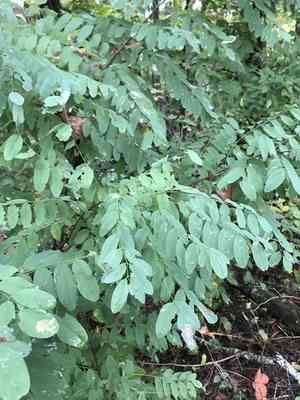
Robinia pseudoacacia readily reproduces via dormant stem sections, ground layering, and seed dispersal. These techniques are most effectively utilized during the fall or winter seasons. Reproduction is typically straightforward, with indicators of success being fresh shoots and root formation. Cuttings ought to be swiftly relocated and supplied with sufficient hydration.
Optimal Period for Black Locust Propagation
Propagation Method
Cutting
Propagation Period
Autumn,Winter
Equipment for Black Locust Propagation
Pruning Shears
These are vital for obtaining cuttings from black locust. Ensure the shears are sharp and disinfected to make clean cuts without harming the parent plant or introducing pathogens. Clean cuts promote better rooting and quicker healing at the cut site.
Rooting Hormone
This compound is utilized to stimulate root development on black locust cuttings. It contains synthetic auxins that mimic natural plant hormones, encouraging root formation and boosting the propagation success rate.
Sterilizing Agent
This item, such as rubbing alcohol or a bleach solution, is employed to sanitize pruning shears and any other instruments that contact black locust to prevent disease spread.
Planting Medium
An appropriate medium, like a peat and perlite blend that offers good drainage and aeration, is necessary for black locust cuttings. The medium should be pathogen-free and retain moisture to support new root growth.
Humidity Dome or Plastic Bag
A humidity dome or clear plastic bag helps maintain high humidity around black locust cuttings, which is crucial for preventing water loss through transpiration until the cuttings establish roots.
Heating Mat (Optional)
While not always required, a heating mat can be used to provide gentle bottom warmth to black locust cuttings, encouraging faster root development, especially in cooler environments.
Post-Propagation Care for Black Locust
Post-Propagation Care for Black Locust
Black locust thrives in full sun to partial shade and prefers well-drained soil. Although it tolerates drought once mature, consistent watering during the initial growing season will help the young plant establish a robust root system. Shaping the tree through pruning can be done in late winter. Monitor for pests like locust borers and treat as needed.
Common Errors to Avoid During Black Locust Propagation
Insufficient watering after planting
After planting cuttings or seedlings, a frequent error is not providing enough water. This can lead to inadequate root formation and increase the likelihood of the cutting or seedling drying out, thereby reducing the chance of successful propagation.
Planting cuttings too deep
Inserting cuttings excessively deep into the soil can cause them to rot before they establish roots. A balance must be achieved to ensure the cutting is stable without being so deep as to hinder proper aeration.
Ignoring soil condition
Disregarding the soil condition is problematic. Black locust prefers well-drained soil. If the soil is too compact or has poor drainage, this can lead to root rot and other health issues for the plant.
Overcrowding
Planting black locust too close together can lead to competition for light, nutrients, and water, which can impede growth and make the plants more susceptible to disease.
Advice for Propagating Black Locust
Use healthy parent plants
Selecting robust and vigorous parent plants for taking cuttings is vital. This increases the likelihood of propagation success as healthier plants tend to produce more resilient offspring.
Appropriate cutting length
Cuttings should ideally measure between 6 to 10 inches long with several nodes. Nodes are where root development is most likely to occur, and having an appropriate length increases the surface area for root growth.
Soil preparation
Preparing a well-draining soil mix is essential. Since black locust prefers good aeration around its roots, a mix with sand or perlite can facilitate this and support healthier root development.
Humidity and light
Maintaining a balance of humidity and light is important for cuttings. A rooting environment with indirect sunlight and regular misting helps keep the cuttings from drying out before they take root.
Regular monitoring
Regularly checking the cuttings for signs of growth or disease is essential. This allows for prompt action to rectify any issues, improving the chances of successful propagation.



