How to Propagate Black currant?
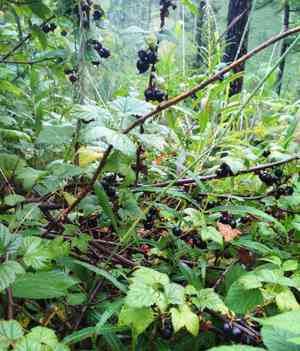
Black currant flourishes when reproduced via cuttings, perfect for horticulturalists. Select robust stems to ensure strong development. Execute a precise incision, immerse the tip in rooting compound, and embed it in damp earth. Sufficient hydration and warmth facilitate root formation. Attentive nurturing results in sturdy specimens.
What Is the Best Time To Propagate Black Currant?
Propagation Type
Cutting
Propagation Season
Autumn,Winter
What Tools Are Used in Black Currant Propagation?
Sharp pruning shears or scissors
These are vital for obtaining clean, precise black currant cuttings. Clean cuts prevent disease and damage to both the parent plant and the cuttings. Sharp tools ensure stem tissues are not crushed, which is crucial for successful rooting and plant health.
Rooting hormone
This chemical compound stimulates root formation from black currant cuttings. It is particularly beneficial for improving rooting in varieties that are more difficult to root. The hormone boosts the likelihood of successful propagation by promoting faster and more uniform root growth.
Sterile potting mix
Offers a clean, controlled environment for black currant cutting roots to establish. The blend typically contains ingredients like peat, perlite, and vermiculite, which help maintain the moisture and air balance essential for young roots. Using sterile mix prevents contamination and illness.
Plant pots or trays
Utilized for planting the initial black currant cuttings. They should have adequate drainage and be large enough to support growth without overcrowding. Choosing the correct size helps manage soil moisture, which is critical for the cuttings' survival and development.
Plastic cover or mini greenhouse
Creates a humid atmosphere around the black currant cuttings, which helps prevent water loss through transpiration and maintains a stable temperature. This mimics a micro-environment that enhances rooting and initial growth until the cuttings can sustain themselves.
Labeling materials
Useful for documenting details such as the propagation date and the black currant variety. Proper labeling is essential for managing multiple varieties and tracking their growth progress and response to propagation, which is valuable for future reference and learning.
How to Propagate Black Currant?
Propagation Type
Moderately Difficult
How to Care for Your Newly Propagated Black Currant?
How to Care for Your Newly Propagated Black Currant?
Once black currant cuttings display new growth, indicating successful rooting, gradually introduce them to outdoor conditions by removing the plastic cover. Transplant the young plants into their permanent spot in well-draining soil rich in organic matter. Black currant prefers full sun or partial shade. Water young plants regularly, especially during dry periods, and apply a general-purpose fertilizer during the growing season to encourage healthy development. Monitor for pests and diseases and treat as needed.
Common Mistakes to Avoid When Propagating Black Currant
Ignoring soil requirements
Using an unsuitable soil mix can lead to poor root development and plant growth. Black currant needs well-draining soil rich in organic matter.
Overwatering
Consistently saturated soil can cause root rot in black currant, as it prefers moist but well-drained conditions.
Neglecting humidity conditions
Failing to provide a humid environment during the initial propagation stages can result in the cuttings drying out.
Cutting size
Using cuttings that are either too short or too long can negatively impact rooting efficiency. Optimal cutting size is crucial for successful black currant propagation.
Overcrowding cuttings
Placing cuttings too close together can hinder air circulation and increase the risk of fungal diseases, affecting black currant propagation success.
Tips For Propagating Black Currant
Select healthy mother plant
Choose a healthy mother plant for cuttings to ensure vigorous growth and higher chances of propagation success.
Use rooting hormone
Applying a rooting hormone to the cuttings can significantly enhance root development for black currant.
Maintain optimal humidity
Keeping the humidity levels high around the cuttings can prevent them from drying out, aiding in successful propagation.
Provide indirect light
Positioning black currant cuttings in a spot with indirect light encourages rooting without the risk of sunburn.
Sterilize tools
Using sterilized cutting tools helps prevent the spread of disease to the cuttings, improving the overall health of black currant.



