How to Propagate Staghorn sumac?
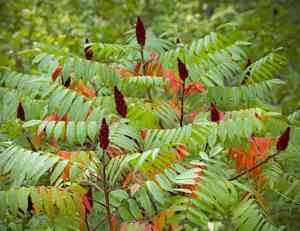
Rhus typhina readily reproduces through dormant stem sections, aerial layering, and planting seeds during the fall and winter seasons. The propagation process presents minimal challenges, with indicators of successful establishment being the emergence of fresh foliage and the formation of roots. Essential advice involves utilizing a growing medium that drains effectively and ensuring that the cuttings originate from robust parent specimens.
What Is the Best Time To Propagate Staghorn Sumac?
Propagation Type
Cutting
Propagation Season
Autumn,Winter
What Tools Are Used in Staghorn Sumac Propagation?
Pruning Shears
These sharp, robust shears are essential for making precise cuts when collecting staghorn sumac cuttings. Clean cuts help prevent disease and promote healthier root growth once planted.
Rooting Hormone
This compound encourages root formation on staghorn sumac cuttings. It boosts the chances of successful propagation by stimulating new root development, vital for the cutting's establishment and growth.
Potting Mix
A well-draining and nutrient-rich potting medium offers the perfect setting for staghorn sumac cuttings to establish roots. A quality mix ensures the right balance of moisture and air around the developing roots.
Propagation Tray
A tray securely holds the staghorn sumac cuttings and potting mix, maintaining an organized and stable environment. Trays are also useful for creating a humidity dome over cuttings, preventing moisture loss during root development.
Clear Plastic Dome or Bag
By creating a microclimate with controlled humidity around staghorn sumac cuttings, clear plastic domes or bags enhance water retention and temperature stability, both of which can improve rooting success.
Heating Mat
Maintaining a consistent, warm soil temperature can stimulate root growth in staghorn sumac cuttings. A heating mat placed beneath the propagation tray ensures an optimal rooting environment, especially in cooler climates.
How to Care for Your Newly Propagated Staghorn Sumac?
How to Care for Your Newly Propagated Staghorn Sumac?
Post-propagation, ensure the staghorn sumac receives adequate moisture without becoming waterlogged. Position your young staghorn sumac in an area with full sun to partial shade, mirroring its natural habitat. As it matures, shield it from harsh conditions and pests. Gradually reduce watering to encourage robust root development. Once established, staghorn sumac is drought-tolerant and will require less frequent irrigation. It's also crucial to provide ample space for staghorn sumac to expand, as it can become quite large and spread via suckers if not managed.
Common Mistakes to Avoid When Propagating Staghorn Sumac
Overwatering cuttings
Excessive watering of staghorn sumac cuttings leads to root rot, which can kill young plants before they become established.
Planting seeds too deeply
If staghorn sumac seeds are sown too far down, they may not receive sufficient light for proper germination, potentially lowering germination rates.
Ignoring local pests
Failing to consider local pests that might impact staghorn sumac can result in damage to both mature plants and new propagules, possibly leading to propagation failure.
Neglecting soil type
Staghorn sumac thrives in well-drained soil, and using an unsuitable soil type can impede root development and plant health.
Using non-sterile tools
Propagation tools that are not sterile can introduce diseases to staghorn sumac cuttings or seeds, jeopardizing the new plants.
Tips For Propagating Staghorn Sumac
Semi-hardwood cuttings
For staghorn sumac, taking semi-hardwood cuttings during the growing season increases the likelihood of successful rooting.
Adequate light for germination
Ensuring that staghorn sumac seeds are sown on the soil surface with sufficient light promotes successful germination.
Preventing pest damage
Protecting staghorn sumac from known local pests with physical barriers or organic pesticides can improve propagation outcomes.
Well-drained soil mix
Utilizing a well-draining soil mix for staghorn sumac propagation supports healthy root development and overall plant vigor.
Sterilized tools
Always use sterilized tools when propagating staghorn sumac to minimize the risk of disease transmission to the cuttings or seeds.



