How to Propagate Lemonade Berry?
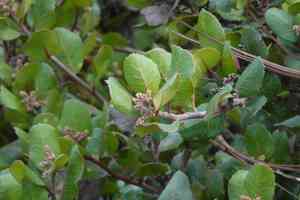
Lemonade Berry is a resilient perennial bush featuring tough foliage and diminutive pink blossoms. For successful propagation, semi-hardwood cuttings sourced from vigorous, uninfected parent plants are optimal. Selecting a growing substrate that offers good drainage and is nutrient-rich is crucial, along with ensuring steady hydration without saturation. Employing rooting stimulant can hasten root formation. After establishment, Lemonade Berry requires little extra attention, flourishing in diverse environmental settings and frequently achieving swift ground coverage.
When Is the Best Time to Propagate Lemonade Berry?
Propagation Method
Cutting
Propagation Period
Spring,Summer
What Tools Are Used in Lemonade Berry Propagation?
Sharp Pruning Shears
These are crucial for making clean, precise cuts from lemonade Berry. A clean cut helps prevent disease and ensures a high survival rate for cuttings. Sharp shears minimize damage to the parent plant, promoting better healing and continued healthy growth.
Rooting Hormone
This helps stimulate root development from lemonade Berry cuttings. Dipping the cut end into rooting hormone increases the chances of successful root formation, helping cuttings establish more quickly and robustly, which is vital for lemonade Berry due to its specific rooting characteristics.
Sterile Potting Mix
Using a sterile potting mix helps prevent diseases and fungi from killing young lemonade Berry cuttings. The mix should drain well yet retain enough moisture to support root growth without becoming waterlogged, which is especially important for lemonade Berry as it establishes its root system.
Propagation Trays
These trays are used to hold lemonade Berry cuttings in a stable environment, preventing damage and keeping them upright and secure. This aids in uniformly successful propagation by ensuring consistent conditions for each cutting.
Plastic Covers or Humidity Domes
These tools help maintain a high humidity environment around lemonade Berry cuttings, which is crucial for preventing them from drying out before they can establish roots. The consistent moisture aids in the successful establishment and growth of new plants.
Heating Mats
Particularly useful for propagating lemonade Berry, heating mats help regulate the temperature of the growing medium. Consistent, gentle warmth can significantly improve the rooting success rate for cuttings by promoting an optimal growing environment.
Labeling Tags
Useful for tracking propagation dates and any specific treatments applied to various lemonade Berry cuttings. This is critical for monitoring growth progress and tailoring care for each set of cuttings.
How to Propagate Lemonade Berry?
Propagation Difficulty
Moderately Difficult
How to Care for Your Newly Propagated Lemonade Berry?
How to Care for Your Newly Propagated Lemonade Berry?
Once the lemonade Berry cutting has rooted, gradually acclimate it to lower humidity by removing the plastic cover over a week. Then transplant it to a larger pot or a suitable garden spot. Provide lemonade Berry with full sun to partial shade, and water deeply but infrequently, allowing the soil to dry out slightly between waterings. Lemonade Berry is drought-tolerant once established, requiring minimal water. Prune as needed to maintain shape and remove any dead or damaged branches. Monitor for pests or diseases and treat accordingly.
Common Mistakes to Avoid When Propagating Lemonade Berry
Poor Cutting Selection
Choosing cuttings that are either too young or too old can lead to poor root development for lemonade Berry. Young cuttings may lack resources for new growth, while older ones may not respond as well to rooting.
Improper Cutting Treatment
Failing to treat cuttings with appropriate rooting hormones or antifungal agents can reduce lemonade Berry's chances of successful rooting, leaving them vulnerable to decay and fungal infections.
Overwatering
Excessive watering of lemonade Berry cuttings can lead to fungal growth and rot, as this species prefers drier conditions during the initial rooting process.
Neglecting Soil Requirements
Using an unsuitable soil mix that doesn't drain well or lacks necessary nutrients can hinder root formation and growth for lemonade Berry.
Incorrect Humidity Levels
Maintaining either too high or too low humidity around lemonade Berry cuttings can negatively impact rooting. High humidity promotes excess moisture, while low humidity can cause cuttings to dry out.
Ignoring Sanitation
Not sterilizing tools or containers used in the propagation process can introduce diseases to lemonade Berry cuttings, impeding their development or causing death.
Tips For Propagating Lemonade Berry
Optimal Cutting Selection
Choose semi-hardwood cuttings from lemonade Berry that are mature but still relatively new, ensuring the best balance between rooting potential and resources for growth.
Rooting Hormone Application
Apply an appropriate rooting hormone to lemonade Berry cuttings to stimulate root growth and increase propagation success.
Watering Management
Provide lemonade Berry cuttings with just enough water to keep the soil slightly moist, avoiding overwatering which may cause root rot.
Soil Mix Choice
Propagate lemonade Berry in a well-draining soil mix enriched with organic material to support healthy root development and provide essential nutrients.
Humidity Control
Maintain moderate humidity around lemonade Berry cuttings to encourage rooting while preventing rot and drying. This can be achieved using covers or misting systems.
Sanitary Practices
Use sterilized tools and clean containers when propagating lemonade Berry to prevent the spread of pathogens that could harm the cuttings.



