How to Propagate Rhododendron decorum?
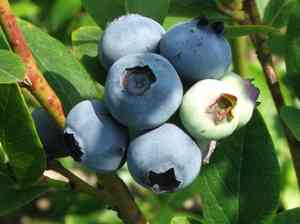
Rhododendron decorum, a prized bush known for its sizable, aromatic blossoms, can be successfully multiplied by seeding. To achieve better results, utilize newly harvested seeds and plant them in a substrate that drains efficiently. Preserve steady hydration and supply abundant diffused illumination. Guarantee that juvenile sprouts are sustained at ideal humidity. Gradually, relocating them into increasingly spacious containers will encourage robust root growth, preparing them for outdoor cultivation.
Optimal Period for Rhododendron Decorum Propagation
Propagation Method
Seeding
Propagation Period
Spring
Tools Utilized in Rhododendron Decorum Propagation
Propagation Trays
These trays offer a controlled setting for seed sprouting and initial growth, ensuring ideal moisture and temperature for rhododendron decorum seeds.
Seed Starting Mix
This blend is lighter and finer than standard potting soil, providing superior drainage and aeration crucial for rhododendron decorum's delicate root systems.
Mist Sprayer
A mist sprayer helps maintain consistent moisture in the seed starting mix without over-saturating, vital for preventing seed decay and promoting healthy germination for rhododendron decorum.
Heating Mat
A heating mat positioned beneath the propagation tray delivers consistent warmth from below, which can enhance germination rates by maintaining a steady temperature for rhododendron decorum seeds.
Grow Lights
Grow lights ensure seedlings receive sufficient illumination, especially indoors or in low-light conditions, fostering robust and healthy development essential for rhododendron decorum.
Humidity Dome
A humidity dome placed over the propagation tray aids in sustaining high humidity levels, important for preventing the drying out of rhododendron decorum seeds and young seedlings.
Seed Dibber
A seed dibber assists in creating uniform planting depressions, ensuring rhododendron decorum seeds are sown at the correct depth to encourage even sprouting.
Plant Labels
Plant labels are used to track different seed batches and planting dates, facilitating the organized cultivation of various rhododendron decorum seedlings.
How to Propagate Rhododendron Decorum?
Propagation Type
Simple
Post-Propagation Care for Your Rhododendron Decorum
Post-Propagation Care for Your Rhododendron Decorum
Following transplantation, continue to provide rhododendron decorum with a moist environment and shield it from direct sunlight. Gradually introduce the plants to outdoor conditions before permanently placing them in the garden. Ensure the soil remains damp and maintain an acidic pH. Fertilize sparingly with a diluted, balanced fertilizer suitable for acid-loving plants. Monitor for pests and diseases, and ensure good air circulation to prevent fungal issues.
Common Errors to Avoid When Propagating Rhododendron Decorum
Inadequate Soil Preparation
Failure to prepare well-draining, acidic soil can lead to waterlogged roots and poor nutrient absorption.
Improper Watering
Excessive watering can cause root rot, while insufficient watering can dehydrate plant tissues, both detrimental to establishing healthy cuttings.
Incorrect Cutting Techniques
Using dull tools or taking cuttings from the wrong part of the plant can decrease the likelihood of rooting.
Lack of Humidity
Insufficient humidity can cause cuttings to dry out before rooting, impacting overall success rates.
Ignoring Disease Control
Not sanitizing tools or handling plant material improperly can introduce diseases, jeopardizing the new plants.
Tips For Propagating Rhododendron Decorum
Use Acidic, Well-Draining Soil
Ensure the soil drains well and has a pH between 4.5 to 6.0 to match rhododendron decorum's preferred conditions.
Maintain Optimal Hydration
Keep the soil consistently moist but not waterlogged to support root development without causing decay.
Proper Cutting Technique
Use sharp, sterile tools and take cuttings from healthy, semi-hardwood portions of rhododendron decorum for better rooting chances.
Increase Humidity
Place the cuttings in a humid environment, such as under a plastic dome or in a greenhouse, to prevent drying out.
Disease Prevention
Always sterilize cutting tools and avoid overcrowding to reduce the risk of disease transmission.



