How to Propagate Flame azalea?
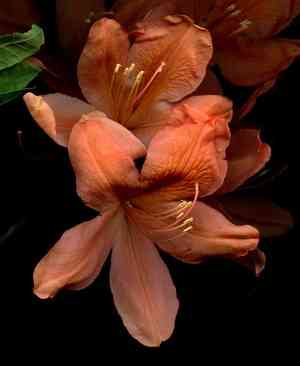
Flame azalea primarily multiplies via cuttings and layering throughout the fall and winter seasons. This propagation method can be somewhat challenging, with the emergence of new foliage indicating successful establishment. Facilitate robust root formation by supplying sufficient hydration and a growing medium that drains effectively.
Optimal Time for Flame Azalea Propagation
Propagation Method
Cutting
Propagation Period
Autumn,Winter
Tools for Flame Azalea Propagation
Sharp Pruning Shears
These are crucial for making clean, precise cuts when preparing stem cuttings. Sharp blades minimize harm to the parent plant and cuttings, reducing disease risk and ensuring faster recovery. For flame azalea, a clean cut is essential for healthy root development.
Rooting Hormone Powder
This aids in accelerating root formation on flame azalea cuttings, boosting success rates. Applying a small amount of rooting hormone to the cutting's base helps initiate root growth, especially useful for woody plants like flame azalea.
Sterile Potting Mix
A well-draining, yet moisture-retentive, sterile medium is vital for rooting flame azalea cuttings. It prevents pathogen contamination and fosters healthy root development by providing sufficient air and water.
Propagation Trays
These are used to organize and support cuttings as they develop roots. Trays should have good drainage and be deep enough to accommodate stem cutting length without overcrowding, offering ideal conditions for flame azalea establishment.
Humidity Domes
These cover propagation trays, maintaining high humidity around flame azalea cuttings, which is critical to prevent drying out before roots form. High humidity also benefits leaf hydration since cuttings initially lack roots to absorb water.
Heat Mats
These provide gentle warmth to the base of propagation trays, which can enhance rooting success for flame azalea. Maintain a consistent temperature conducive to root development, but not so high as to cause damage or dehydration to the cuttings.
Watering Can or Mist Sprayer
Consistent moisture is essential for flame azalea cuttings to establish roots. A watering can allows for gentle irrigation without disturbing cuttings, while a mist sprayer can maintain humidity, mimicking the moist environment flame azalea cuttings prefer.
Caring for Your Newly Propagated Flame Azalea
Caring for Your Newly Propagated Flame Azalea
Once flame azalea cuttings have rooted, typically after several weeks, gradually introduce them to standard growing conditions. Keep the soil moist but not waterlogged to prevent root rot. Shield young plants from extreme temperatures and wind, and apply a balanced, slow-release fertilizer during the growing season to support vigorous growth. As flame azalea prefers acidic soils, regularly check soil pH and amend with sulfur or use an acidifying fertilizer as needed. Once established, flame azalea requires minimal upkeep, but consistent watering during dry periods and annual mulching can improve its health and flowering.
Common Propagation Mistakes for Flame Azalea
Overwatering
Excessive water can lead to root rot, a frequent problem for flame azalea, which prefers well-drained soils. Saturated roots can suffocate and perish, hindering propagation efforts.
Deep planting
Planting cuttings or seeds too deeply can prevent flame azalea from sprouting, as it needs adequate light and oxygen for effective germination and rooting.
Neglecting soil acidity
Flame azalea thrives in acidic soils, typically with a pH between 4.5 and 6.0. Using soil with incorrect pH levels can impede nutrient absorption, affecting the plant's overall health and reducing propagation success.
Ignoring humidity requirements
Flame azalea cuttings need a humid environment to root successfully. Insufficient humidity can cause cuttings to dry out before they can establish roots.
Using diseased material
Propagating flame azalea from diseased or unhealthy parent plants can transfer pathogens to new plants, impairing their growth and potentially leading to failed propagation.
Tips For Propagating Flame Azalea
Soil preparation
Ensuring the soil medium is acidic and well-draining creates an optimal environment for flame azalea's roots to establish. Incorporating peat moss or a similar acidic substance helps achieve desired pH levels.
Adequate light
Provide bright, indirect light during the rooting process to encourage healthy growth without exposing flame azalea to the harsh effects of direct sunlight.
Moisture balance
Maintain a balanced soil moisture for flame azalea, ensuring the medium is consistently damp but not waterlogged, to promote successful rooting without risking rot.
Use healthy parent plants
Select cuttings or seeds from robust and disease-free flame azalea specimens to increase the chances of successful propagation and the overall health of the new plants.
Rooting hormones
Applying rooting hormones to flame azalea cuttings can stimulate root development and improve the success rate of propagation.
Humidity control
Create a humid microenvironment by covering flame azalea cuttings with a plastic dome or bag, which helps retain moisture and encourages rooting without the need for excessive watering.



