How to Propagate Chinese rhubarb?
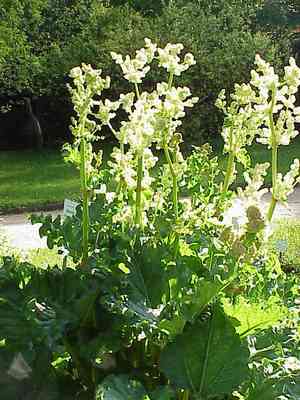
Chinese rhubarb flourishes in rich, adequately drained earth. For propagation via seeds, plant them in a finely prepared seedbed and lightly cover with substrate. Ensure the bed remains damp, yet not oversaturated. Sprouting usually takes place within several weeks. It is recommended to thin out juvenile plants to encourage more robust development. Relocate the young plants to their final locations once they have gained sufficient strength.
Optimal Period for Chinese Rhubarb Propagation
Propagation Method
Seeding
Propagation Period
Spring
Tools for Chinese Rhubarb Propagation
Seed Trays
Seed trays offer a controlled setting for planting chinese rhubarb seeds. These containers aid in maintaining consistent moisture and ensuring proper drainage, both vital for the initial stages of seed sprouting.
Seedling Heat Mats
Seedling heat mats provide warmth from below, encouraging quicker and more uniform germination of chinese rhubarb seeds. Chinese rhubarb thrives in warmer soil temperatures during germination, ideally between 20-25°C (68-77°F).
Humidity Domes
Humidity domes cover seed trays, helping to retain moisture and warmth, thus creating an ideal microclimate for chinese rhubarb seed germination. They are particularly useful for sustaining high humidity levels, which are crucial for successful seed sprouting.
Horticultural Grit
Horticultural grit can be mixed into the seed-starting medium to enhance drainage. This prevents the roots of chinese rhubarb from becoming waterlogged, which can lead to damping-off disease.
Labeling Stakes
Labeling stakes assist in tracking the planting date and the specific seed types sown. This ensures that chinese rhubarb is properly monitored throughout its germination and growth phases.
Mister or Spray Bottle
A mister or spray bottle delivers gentle watering, which is essential for chinese rhubarb seedlings. This method prevents seed displacement or damage to delicate seedlings that might occur with more forceful watering techniques.
Sterilized Seed-Starting Mix
A sterilized seed-starting mix reduces the risk of disease and pests during the initial stages of propagating chinese rhubarb. It offers a nutrient-balanced and pathogen-free medium to support healthy seedling development.
Sharp Knife or Scalpel
A sharp knife or scalpel is useful for dividing and preparing rhizomes or root cuttings, which are sometimes necessary for vegetative propagation. Clean cuts help prevent disease and promote healthy root growth.
Grow Lights
Grow lights supplement natural light, ensuring chinese rhubarb seedlings receive adequate illumination for photosynthesis, especially in areas with short daylight hours or during winter. Optimal light conditions are crucial for robust and healthy seedling development.
Soil Thermometer
A soil thermometer helps monitor soil temperature to ensure it falls within the optimal range for chinese rhubarb seed germination. Consistent temperature readings help create the best conditions for successful propagation.
How to Propagate Chinese Rhubarb?
Propagation Type
Simple
Post-Propagation Care for Chinese Rhubarb
How to Care for Your Newly Propagated Chinese Rhubarb?
After propagation, chinese rhubarb needs consistent watering to maintain soil moisture, especially during dry spells. Apply mulch around the plants to retain moisture and suppress weeds. Fertilize with a balanced organic fertilizer every four to six weeks during the growing season. Monitor for pests and diseases, and take appropriate measures to protect the plants. Prune any dead or damaged leaves to encourage healthy growth. Regularly monitor and adjust the soil pH to ensure it remains within the optimal range for chinese rhubarb.
Common Errors to Avoid When Propagating Chinese Rhubarb
Improper Division
Incorrectly dividing chinese rhubarb can harm the root system and diminish the plant's ability to re-establish.
Inadequate Watering
Failure to provide sufficient water after propagation can lead to dehydration and plant stress.
Insufficient Root Depth
Planting divisions too shallowly can expose roots to drying out and result in poor establishment.
Overcrowding
Placing divisions too close together can restrict growth and decrease air circulation, increasing susceptibility to disease.
Poor Soil Quality
Using soil that lacks nutrients or drains poorly can hinder root development and plant growth.
Neglecting Pest Control
Ignoring pest management can lead to infestations that weaken the plant and impede propagation success.
Tips For Propagating Chinese Rhubarb
Proper Division Technique
Use a sharp, clean tool to divide chinese rhubarb, ensuring each section has an adequate root system and at least one growth bud.
Adequate Watering
Maintain consistent moisture levels in the soil, particularly in the initial weeks post-division, to help establish roots.
Appropriate Planting Depth
Plant divisions at a depth where the crown is just below the soil surface, ensuring the roots are well-covered.
Spacing
Space out divisions to allow sufficient room for growth; typically, spacing of about 3 feet apart is adequate.
Soil Preparation
Amend the soil with organic matter to improve nutrient content and drainage, ensuring optimal growing conditions for chinese rhubarb.
Regular Monitoring
Regularly check for pests and diseases and take appropriate action to manage any issues promptly.



