How to Propagate Needle palm?
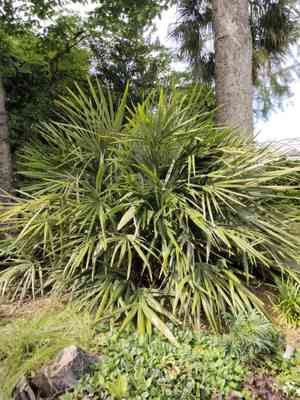
This robust, gradually developing palmetto is most effectively propagated by dividing, specifically by detaching the offshoots or pups from the parent specimen. Utmost caution is crucial due to the species' pointed, needle-like defenses. Those performing the division must confirm that the separated parts possess robust root structures and then place them into a suitable substrate that replicates the needle palm's native sandy, free-draining habitat. Steady hydration and warmth will aid the offshoots in developing their independent root networks, although perseverance is vital since needle palm exhibits slow growth.
Optimal Time for Needle Palm Propagation
Propagation Method
Division
Propagation Period
Spring,Autumn
Tools Required for Needle Palm Propagation
Sharp, sterile pruning shears or knife
This instrument is crucial for making clean, precise cuts through the root mass of needle palm during the division process. A sharp, sterilized blade helps prevent tissue damage and reduces the spread of diseases between plants. Clean cuts are vital for ensuring separated needle palm sections recover and root more effectively.
Spade or digging fork
These implements are used to carefully extract the needle palm's root ball from the soil, minimizing harm to its root system. A spade or digging fork with a broad, sharp edge is particularly effective for cutting through the soil around needle palm, facilitating easier and more accurate plant extraction for division.
Rooting hormone (optional)
Though not mandatory, rooting hormone can be applied to the freshly cut surfaces of needle palm roots to stimulate faster root development and improve the overall propagation success rate. This is especially beneficial for promoting vigorous root growth in newly divided sections, ensuring their survival and adaptability.
Potting mix and containers
Following division, needle palm segments must be replanted in a well-draining potting mix within suitable containers. This ensures each division has the ideal soil environment to re-establish its root system, which is critical for needle palm's health and growth. The potting mix should be light and porous to encourage good air and water movement, essential for root health.
How to Propagate Needle Palm?
Propagation Type
Easy
Caring for Your Newly Propagated Needle Palm
Caring for Your Newly Propagated Needle Palm
Post-propagation, keep needle palm's soil consistently moist but avoid saturation to prevent root rot. Position the plant in partial to full shade, as needle palm thrives in these conditions. Regularly inspect for pests like spider mites and treat as needed. During the growing season, fertilize needle palm with a balanced, slow-release palm-specific fertilizer. Monitor for natural weather conditions, especially in colder climates, as needle palm is frost-resistant but benefits from protection against extended freezing temperatures.
Common Errors to Avoid When Propagating Needle Palm
Overwatering
Excessive water can lead to root rot, particularly during needle palm's initial propagation stages. This occurs because needle palm's roots need to develop, and too much moisture impedes this process.
Using poor soil mix
A soil mixture lacking adequate drainage can retain moisture and negatively impact needle palm's root development, potentially leading to fungal issues.
Planting too deep
Inserting needle palm's offshoots or seeds too far into the substrate can hinder their ability to emerge properly and establish a robust root system.
Neglecting temperature requirements
Needle palm is sensitive to temperature fluctuations; ignoring its preference for stable, warm conditions can result in slow growth or failed propagation.
Improper sanitation
Failing to use sterile tools and containers can introduce harmful pathogens, impeding needle palm's propagation process and overall plant health.
Tips For Propagating Needle Palm
Adequate water management
Implement a balanced watering regimen for needle palm, keeping the soil consistently moist but not waterlogged to encourage healthy root growth without the risk of decay.
Well-draining soil
Utilize a well-draining soil mix to support needle palm's vulnerable root system, which helps prevent moisture-related diseases and promotes vigorous growth.
Appropriate planting depth
Ensure that needle palm's offshoots or seeds are planted at a shallow depth to allow them to easily sprout and access necessary air circulation.
Controlled environment
Maintain a stable and warm environment that meets needle palm's propagation needs, avoiding temperature extremes that can impede root development.
Sanitary measures
Practice proper sanitation by sterilizing all tools and containers before use to minimize the risk of diseases during needle palm's propagation process.



