How to Propagate Common buckthorn?
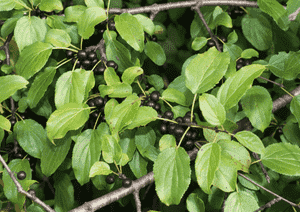
Common buckthorn reproduces most effectively in the Autumn and Winter seasons through techniques such as cuttings and layering. Its propagation presents a moderate challenge. Look for the emergence of new roots and shoots as signs of successful reproduction. Maintain appropriate moisture levels to facilitate this process.
Optimal Period for Common Buckthorn Propagation
Propagation Method
Cutting
Propagation Period
Autumn,Winter
Equipment for Common Buckthorn Propagation
Sharp pruning shears
Crucial for taking cuttings, sharp pruning shears guarantee a clean cut, promoting better healing and reducing infection risk for common buckthorn. Precise cuts below a node are vital for encouraging rooting.
Rooting hormone
This synthetic auxin mimics natural plant hormones, stimulating root development in common buckthorn cuttings. Dipping the cut end into rooting hormone can significantly boost successful root formation.
Sterile potting mix
Employing a sterile potting mix prevents the introduction of pathogens that could harm delicate common buckthorn cuttings. A well-draining mix is essential to prevent root rot while retaining sufficient moisture for root growth.
Propagation tray with dome
Environmental consistency is key, and a propagation tray with a dome helps maintain stable humidity and temperature, critical for common buckthorn's root development.
Heat mat
A heat mat is used to gently warm the propagation tray, optimizing soil temperature for root growth in common buckthorn cuttings. Consistent warmth is an often-overlooked factor that can greatly enhance rooting success.
Hygrometer/Thermometer
Monitoring temperature and humidity within the propagation area is important for common buckthorn cuttings. A hygrometer/thermometer helps adjust conditions to fall within the optimal range for rooting.
Sanitizing solution
Ensuring tools and the propagation environment are free from bacteria and fungi is non-negotiable. Using a sanitizing solution to clean tools and surfaces helps protect common buckthorn cuttings from potential diseases.
Post-Propagation Care for Common Buckthorn
Post-Propagation Care for Common Buckthorn
Following successful propagation, gradually acclimate young common buckthorn plants to typical garden conditions if they were started indoors. Water consistently to keep the soil moist but not waterlogged, and shield them from extreme temperatures. As common buckthorn can be invasive, manage growth through regular pruning and monitor for any spread beyond the desired area. Provide full sun to partial shade and well-drained soil to ensure healthy growth.
Common Errors to Avoid When Propagating Common Buckthorn
Overwatering
Saturated soil can lead to root rot and fungal diseases, compromising common buckthorn's health. Excessive watering during propagation can be particularly detrimental, causing cuttings or seedlings to fail.
Deep planting
Planting seeds or cuttings too deeply can prevent common buckthorn from receiving necessary oxygen and hinder root and shoot development, leading to poor propagation outcomes.
Neglecting humidity
Ignoring the need for a humidity-controlled environment can cause common buckthorn cuttings to dry out and fail to root, as adequate humidity ensures cuttings do not lose too much moisture through transpiration.
Using non-sterile tools
Propagating common buckthorn with contaminated tools can introduce pathogens, leading to diseased plants. Clean, sterilized tools are essential to prevent the spread of infections.
Ignoring pests
Failing to monitor and manage pests during propagation can result in damaged or diseased cuttings, severely affecting the success rate of common buckthorn propagation.
Advice for Propagating Common Buckthorn
Softwood cuttings
Utilize softwood cuttings for common buckthorn propagation, as they tend to root more readily than hardwood cuttings. Ensuring they are taken from healthy, disease-free parent plants will improve the chances of successful rooting.
Appropriate planting depth
Plant common buckthorn's seeds or cuttings at the correct shallow depth to ensure successful germination and rooting. A general rule is to plant seeds at a depth twice their diameter.
Use of rooting hormone
Applying rooting hormone to common buckthorn's cuttings can stimulate root growth and improve the overall success rate of propagation.
Maintain proper moisture
Keep the soil consistently moist but not waterlogged to provide common buckthorn's cuttings or seedlings with an optimal growth environment without the risk of root decay.
Pest monitoring
Regularly inspect common buckthorn's propagation setups for pests and intervene early with appropriate measures to ensure cuttings are not compromised.



