How to Propagate Black oak?
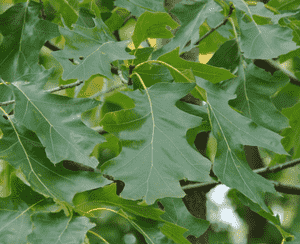
Quercus velutina can be reproduced via dormant stem sections, aerial marcotting, and planting seeds in the fall and winter seasons. The ease of propagation differs, yet successful reproduction is indicated by the appearance of fresh shoots. Essential propagation advice involves employing a rooting stimulant and guaranteeing appropriate hydration levels.
Optimal Time for Black Oak Propagation
Propagation Method
Cutting
Propagation Period
Fall,Winter
Tools for Black Oak Propagation
Sharp Pruning Shears
Crucial for taking cuttings, sharp pruning shears ensure clean cuts that encourage healthy healing and reduce infection risk. They are used to snip a portion of black oak's semi-hardwood or hardwood branch during its dormant phase.
Rooting Hormone
This chemical compound stimulates root development in black oak cuttings. Applying it to the cut end aids in the formation of a robust, healthy root system, especially beneficial for hardwood cuttings which typically root slower than softwood ones.
Sterilizing Agent (e.g., Isopropyl Alcohol, Bleach Solution)
Used for cleaning cutting tools and containers, a sterilizing agent prevents the spread of diseases and pathogens to black oak cuttings. Sterilizing pruning shears before use minimizes the risk of introducing illnesses to fresh cuts.
Well-Draining Propagation Medium
A soil mix or medium that promotes good drainage is vital for black oak, as it prevents waterlogging and root rot, which can occur during the rooting process. A blend of peat, perlite, and sand is typically suitable for black oak cuttings.
Heating Mat
Providing warmth from below encourages rooting of black oak cuttings by maintaining an ideal soil temperature range. This can be particularly helpful in cooler climates or during colder seasons to ensure the propagation environment supports root development.
Propagator or Mini Greenhouse
Regulating humidity and temperature around black oak cuttings is made easier by using a propagator or mini greenhouse. This creates a consistent micro-environment that helps prevent moisture loss and supports the development of new roots.
Moisture Meter
This tool monitors the moisture levels in the propagation medium to ensure black oak cuttings are neither too wet nor too dry. Maintaining adequate moisture levels is crucial for successful root formation without risking rot.
Caring for Your Newly Propagated Black Oak
Caring for Your Newly Propagated Black Oak
Once black oak cuttings have successfully rooted and show new growth, gradually introduce them to outdoor conditions by exposing them to increasing periods of direct sunlight. Transplant the rooted cuttings into individual pots with well-draining soil and continue regular watering. Protect from extreme temperatures and pests. After the saplings have grown for 1-2 seasons and are strong enough, they can be transplanted to their permanent outdoor location, ensuring the site meets black oak's requirements for sunlight, soil pH, and growth space.
Common Mistakes to Avoid When Propagating Black Oak
Ignoring acorn dormancy requirements
This can lead to poor or no germination, as black oak seeds have a natural dormancy period that must be broken through specific techniques such as stratification.
Improper site preparation
Planting black oak in poorly prepared sites can result in unsuccessful establishment or growth, since black oak requires well-draining soil and adequate space.
Collecting acorns too early
Gathering acorns before they are mature can significantly reduce germination rates because immature seeds will not develop properly.
Deep planting of acorns
Burying acorns too deep prevents proper seedling emergence due to lack of access to sunlight and can lead to rotting.
Overcrowding seedlings
Planting black oak seedlings too close to each other can cause competition for resources, limiting their growth and survival rates.
Tips For Propagating Black Oak
Stratify acorns
Simulate winter conditions by stratifying acorns to break dormancy. This increases the likelihood of successful germination.
Choose a suitable site
Select a planting location for black oak with full sun exposure and well-draining soil to promote strong growth.
Plant acorns at the correct depth
Place acorns 1-2 inches deep into the soil to ensure proper seedling emergence and root development.
Proper spacing for seedlings
Space black oak seedlings adequately to minimize competition for nutrients, water, and sunlight, leading to healthier growth.
Guard against wildlife
Protect acorns and seedlings from being eaten or uprooted by wildlife with appropriate fencing or coverings.



