How to Propagate Cork oak?
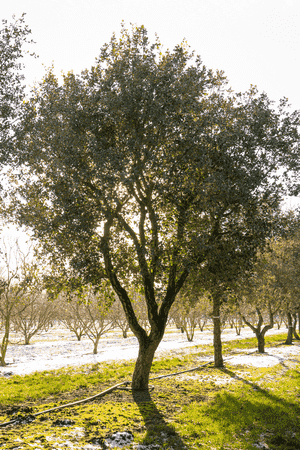
The cork oak is highly valued for its unique outer layer, which is utilized in cork manufacturing. Reproduction is typically effective via cuttings, a technique that duplicates the advantageous characteristics of the source plants. Cultivators ought to choose robust, semi-woody sections and apply rooting compounds to them to stimulate root formation. Sustaining a moist atmosphere and supplying mild warmth will cultivate an ideal environment for the cuttings to flourish.
What Is the Best Time To Propagate Cork Oak?
Propagation Type
Cutting
Propagation Season
Autumn,Winter
What Tools Are Used in Cork Oak Propagation?
Sharp Pruning Shears
These are vital for making clean cuts from cork oak. Sharp pruning shears ensure precise and smooth cuts, which helps prevent disease and promotes better healing. For cork oak, a clean cut is crucial for maintaining the cutting's viability for rooting.
Rooting Hormone
This is applied to the cut end of cork oak's cutting to stimulate root growth and improve the overall success rate of propagation. Rooting hormones can significantly increase the chances of successful rooting, especially in woody plants like cork oak.
Sterile Potting Mix
A sterile, well-drained potting mix provides the ideal environment for cork oak cuttings to root. The mix should be light to allow oxygen to reach new roots and free from pathogens that could harm vulnerable cuttings.
Humidity Dome or Plastic Bag
Maintaining high humidity around cork oak cuttings is crucial for their survival before they can develop roots. A humidity dome or a simple clear plastic bag can be used to create a microclimate that keeps moisture around the cutting, preventing it from drying out.
Heat Mat
A heat mat can be used to maintain an optimum temperature around the rooting area of cork oak. Consistent warmth is particularly important for cork oak as it can encourage faster root development and increase the success rate of propagation.
How to Propagate Cork Oak?
Propagation Type
Moderately Difficult
How to Care for Your Newly Propagated Cork Oak?
How to Care for Your Newly Propagated Cork Oak?
After the cuttings of cork oak have rooted, gradually acclimatize them to less humid conditions by removing the plastic cover over a few days. Water regularly to maintain soil moisture without overwatering, as cork oak prefers well-drained conditions. Once established, fertilize lightly during the growing season. Cork oak is drought tolerant once established, but young plants benefit from consistent watering. Full sun exposure is ideal for robust growth. Transplant into a larger pot or directly into the ground once significant growth is observed.
Common Mistakes to Avoid When Propagating Cork Oak
Inadequate rooting medium
Utilizing a poor quality or incorrectly constituted soil mix can hinder root development in cork oak. The cutting needs a well-draining and fertile medium to establish a robust root system.
Overwatering
Providing excessive water to the rooting medium of cork oak can lead to root rot. This plant species requires a balance, as their native habitat doesn't experience constant soil saturation.
Ignoring cutting health
Selecting weak or diseased cuttings for propagation can result in poor growth or failure in cork oak. Healthy, disease-free cuttings are essential to promote successful rooting and development.
Neglecting acclimation
Once rooted, failure to gradually acclimate cork oak to outdoor conditions can cause shock to the new plant, potentially leading to its demise.
Not maintaining the correct humidity
Cork oak cuttings require controlled humidity conditions to prevent dehydration and encourage rooting. Lack of such conditions can drastically reduce propagation success.
Tips For Propagating Cork Oak
Use of rooting hormones
Applying rooting hormones to the cuttings of cork oak can greatly enhance the chances of successful rooting, as cork oak can have difficulty developing roots.
Proper cutting selection
For cork oak, select cuttings that are semi-hardwood, meaning they are not too soft or too rigid. This ensures the cutting is mature enough to root but still capable of growing roots.
Provide indirect light
Cork oak cuttings should be kept in indirect, bright light, protecting them from direct sunlight that can desiccate or overheat them.
Bottom heat application
Providing a gentle bottom heat can stimulate the rooting process of cork oak without drying out the cutting too quickly, creating an ideal environment for root development.
Regular monitoring
Frequent checks on the health of cork oak cuttings help in catching early signs of disease or distress, allowing for quick intervention and higher success rates.



