How to Propagate Sessile oak?
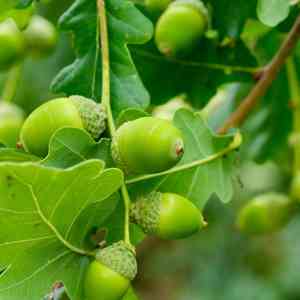
Quercus petraea can be successfully multiplied through the use of cuttings, a technique that utilizes the species' inherent ability to regenerate. Begin with robust, pathogen-free stem sections and apply a rooting stimulant to foster root formation. These sections should be situated in a substrate that drains efficiently, maintained in a damp state without becoming saturated to avert decay. Ensure a steady setting with uniform, diffused illumination and warmth to aid the rooting phase. After roots have formed, the nascent oaks can progressively adapt to external environments prior to relocation.
Optimal Time for Sessile Oak Propagation
Propagation Method
Cutting
Propagation Period
Autumn,Winter
Tools for Sessile Oak Propagation
Sharp Pruning Shears
Crucial for making clean, precise cuts on sessile oak branches, minimizing damage and promoting vigorous new growth. Sharp blades ensure cuttings are taken without crushing stem tissues, vital for successful sessile oak rooting.
Rooting Hormone Powder
Encourages root formation on sessile oak cuttings, significantly boosting propagation success. The hormone stimulates root cell development at the cut site, essential for sessile oak to establish and grow independently.
Sterile Potting Mix
Offers a clean, pathogen-free environment for sessile oak cuttings to root. A light, airy mix supports oxygen circulation around new roots, aiding growth and reducing fungal infection risk, a common propagation issue.
Propagation Trays
Used to organize and manage multiple sessile oak cuttings in a confined area. These trays typically have drainage holes to control moisture levels, crucial for preventing root rot and fostering healthy sessile oak root development.
Heat Mat
Raises soil temperature to optimize rooting conditions for sessile oak cuttings. As sessile oak can root slowly, maintaining consistent, appropriate soil temperature accelerates the rooting process, improving propagation success rates.
Humidity Dome
Covers propagation trays to maintain high humidity around sessile oak cuttings. This prevents excessive moisture loss through transpiration, vital until new roots can support water uptake to sustain the cutting.
How to Propagate Sessile Oak?
Propagation Difficulty
Moderately Difficult
Caring for Newly Propagated Sessile Oak
Caring for Newly Propagated Sessile Oak
Once the sessile oak cutting has rooted, gradually acclimate it to ambient conditions by removing the plastic cover for increasing durations over several days. When the new sapling shows signs of growth, transplant it into a larger pot or the ground, in a location mimicking mature sessile oak's preferred conditions, such as well-drained soil and partial to full sunlight. Maintain consistent watering, especially during dry periods, and shield the young sessile oak from extreme temperatures and pests. Applying a balanced fertilizer early on can support development but should be done cautiously to avoid over-fertilization.
Common Mistakes to Avoid When Propagating Sessile Oak
Ignoring Soil Composition
Using poorly draining soil can lead to waterlogging, potentially causing root rot and hindering sessile oak's growth.
Planting Acorns Too Deep
Burying acorns excessively deep can prevent successful germination, as sessile oak requires a specific depth for proper root and shoot development.
Neglecting Stratification
Failing to stratify acorns can result in lower germination rates, as sessile oak seeds typically need a cold period to break dormancy.
Overcrowding Seedlings
Planting seedlings too close together can impede sessile oak's growth due to resource competition, leading to smaller, weaker plants.
Tips For Propagating Sessile Oak
Mimic Natural Stratification
Replicate natural conditions by cold stratifying acorns to encourage germination, mirroring sessile oak's natural dormancy-breaking process.
Moderate Watering
Provide consistent yet moderate watering to keep soil moist without waterlogging, supporting sessile oak's healthy root development.
Use Well-Draining Soil
Ensure the use of well-draining soil rich in organic matter to promote vigorous growth and prevent waterlogging issues for sessile oak.
Provide Enough Space
Adequately space sessile oak seedlings to ensure access to sunlight and reduce nutrient competition, vital for robust growth.



