How to Propagate Cherrybark oak?
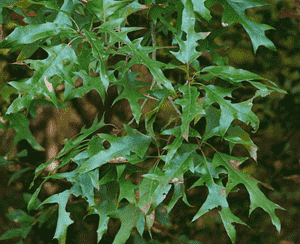
The most effective method for propagating Cherrybark oak involves semi-hardwood cuttings acquired from mid to late summer. To encourage root formation, it can be advantageous to apply a rooting stimulant to the severed end. Position the cuttings in a growing medium that drains efficiently, ensuring continuous dampness and diffused light until roots emerge. This species thrives in rich, damp ground with ample sunlight.
What Is the Best Time To Propagate Cherrybark Oak?
Propagation Type
Cutting
Propagation Season
Autumn,Winter
What Tools Are Used in Cherrybark Oak Propagation?
Sharp Pruning Shears
These are vital for taking cherrybark oak cuttings. Keen blades ensure a clean cut without harming the cherrybark oak tissues, which is crucial for encouraging healthy root growth and preventing disease entry.
Rooting Hormone Powder
This tool boosts root development in cherrybark oak cuttings. Applying the hormone to the cut helps stimulate root growth more quickly and effectively, which is essential for the successful establishment of cherrybark oak cuttings.
Sterile Potting Mix
Using a sterile potting mix prevents contamination and illnesses that could harm the delicate new roots of cherrybark oak. This mix offers an ideal environment that supports moisture retention and aeration for root growth.
Propagation Trays
These trays hold cherrybark oak cuttings securely and maintain the necessary environmental conditions for root initiation and growth. The trays can be covered to maintain high humidity, which benefits cherrybark oak's root development.
Heat Mats
These provide a consistent heat source for the propagation tray, which helps maintain an optimal temperature for cherrybark oak root development. Temperature control is crucial for fostering an efficient and uniform rooting process.
How to Propagate Cherrybark Oak?
Propagation Type
Moderately Difficult
How to Care for Your Newly Propagated Cherrybark Oak?
How to Care for Your Newly Propagated Cherrybark Oak?
Once rooting is successful and new growth emerges, gradually acclimate the young cherrybark oak plants to outdoor conditions if they were initially propagated indoors. Transplant them to a location that receives full sun to partial shade, in well-draining soil rich in organic matter. Regular watering is necessary during the first few years as the root system establishes, especially during dry spells. Annual mulching will help retain soil moisture and suppress weeds. Young cherrybark oak trees benefit from formative pruning to develop a strong structure.
Common Mistakes to Avoid When Propagating Cherrybark Oak
Inadequate soil preparation
Failed propagation of cherrybark oak can often result from using unsuitable soil types. Cherrybark oak requires well-draining yet moisture-retentive soil to support its initial growth from acorns. Inadequate soil can lead to waterlogging or drought, both detrimental to acorn germination and seedling survival.
Improper acorn storage
Storing acorns improperly before planting can lead to diminished viability. Acorns of cherrybark oak are sensitive to dry conditions and excessive moisture, which can cause them to dry out or rot, thereby reducing germination rates.
Tips For Propagating Cherrybark Oak
Stratification of acorns
Improving the germination rate of cherrybark oak can be achieved by stratifying acorns. This process entails mimicking natural winter conditions by refrigerating acorns in moist sand or peat moss for 1-2 months before planting. This treatment breaks seed dormancy and encourages sprouting.
Careful handling during planting
To optimize the chances of successful germination, handle cherrybark oak acorns gently during planting. Avoid damaging the outer shell, as it can expose the seed to pathogens and environmental stress, impairing development.



